UAE plant guide
Which outdoor plants survive a UAE summer?
Summer here is a filter, not a season. Between June and September daytime highs sit around 45°C, soil surface temperatures go higher, and coastal humidity adds fungal pressure on top of the heat. Plants that merely tolerate heat still fail; the ones that last are adapted to aridity as well.
The strongest performers are native or regionally adapted. That is also the water-efficient answer, which matters given UAE irrigation costs and restrictions.
| Plant | Light | Water (in AC) | Difficulty | Pet safe | Mature height | Price |
|---|---|---|---|---|---|---|
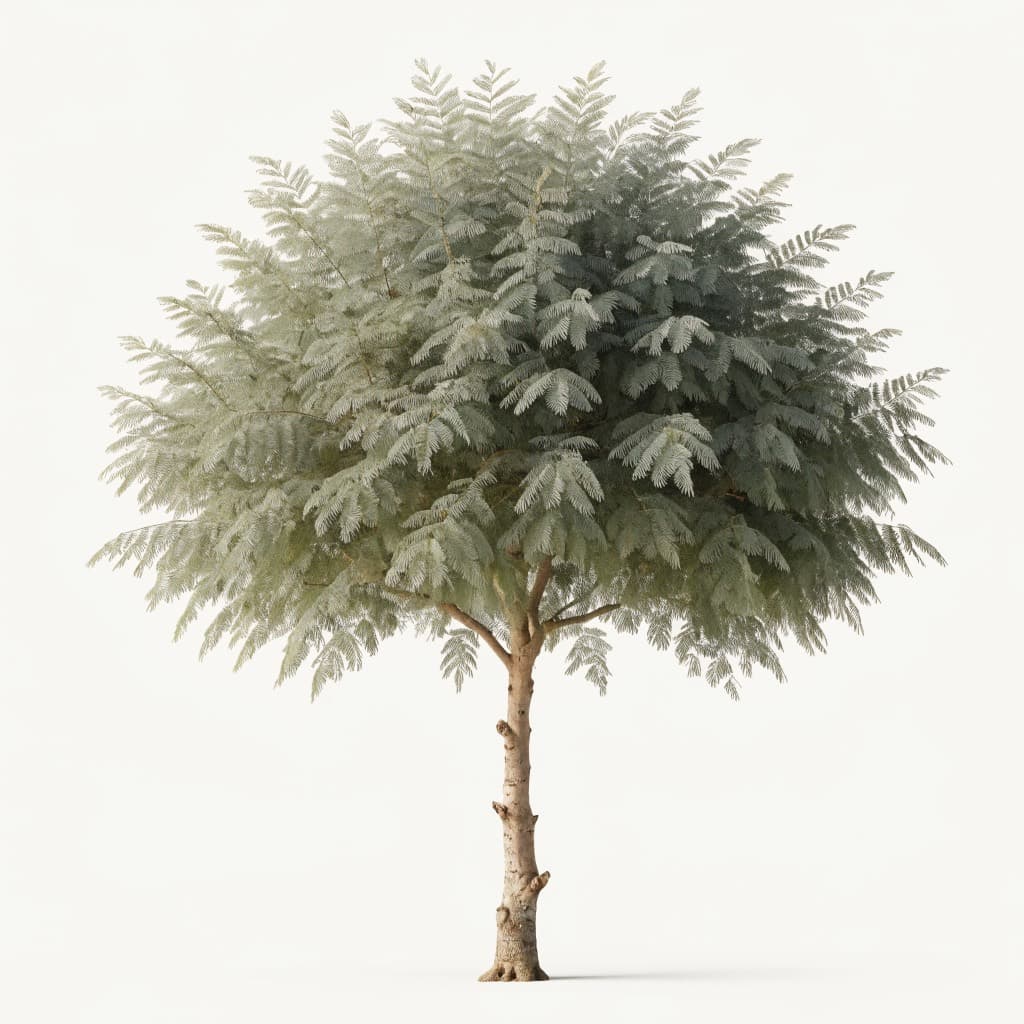
| Ghaf Tree — UAE National TreeProsopis cineraria | Full sun | Every 10-14 days | Very easy | Yes | 150-300 cm | AED 449 |
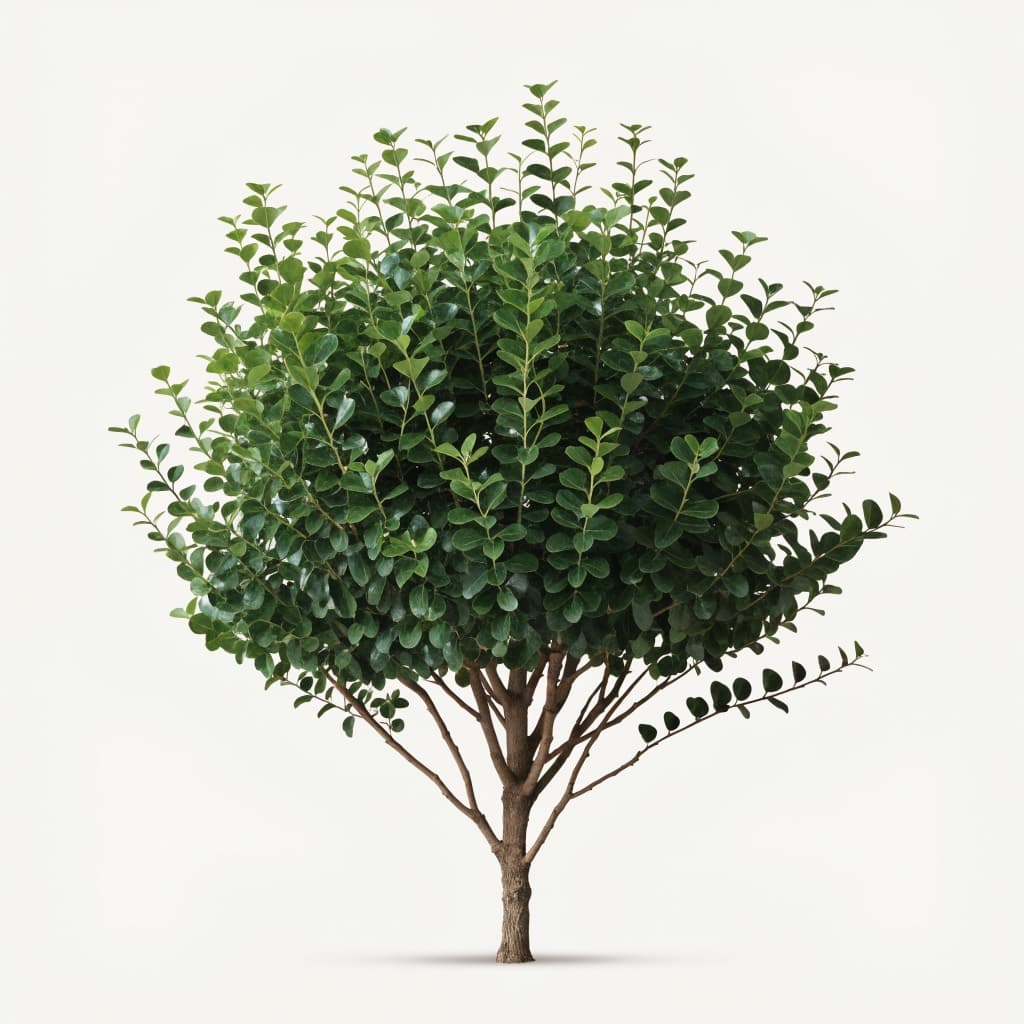
| Sidr Tree (Ziziphus)Ziziphus spina-christi | Full sun | Every 10-14 days | Very easy | Yes | 150-300 cm | AED 429 |
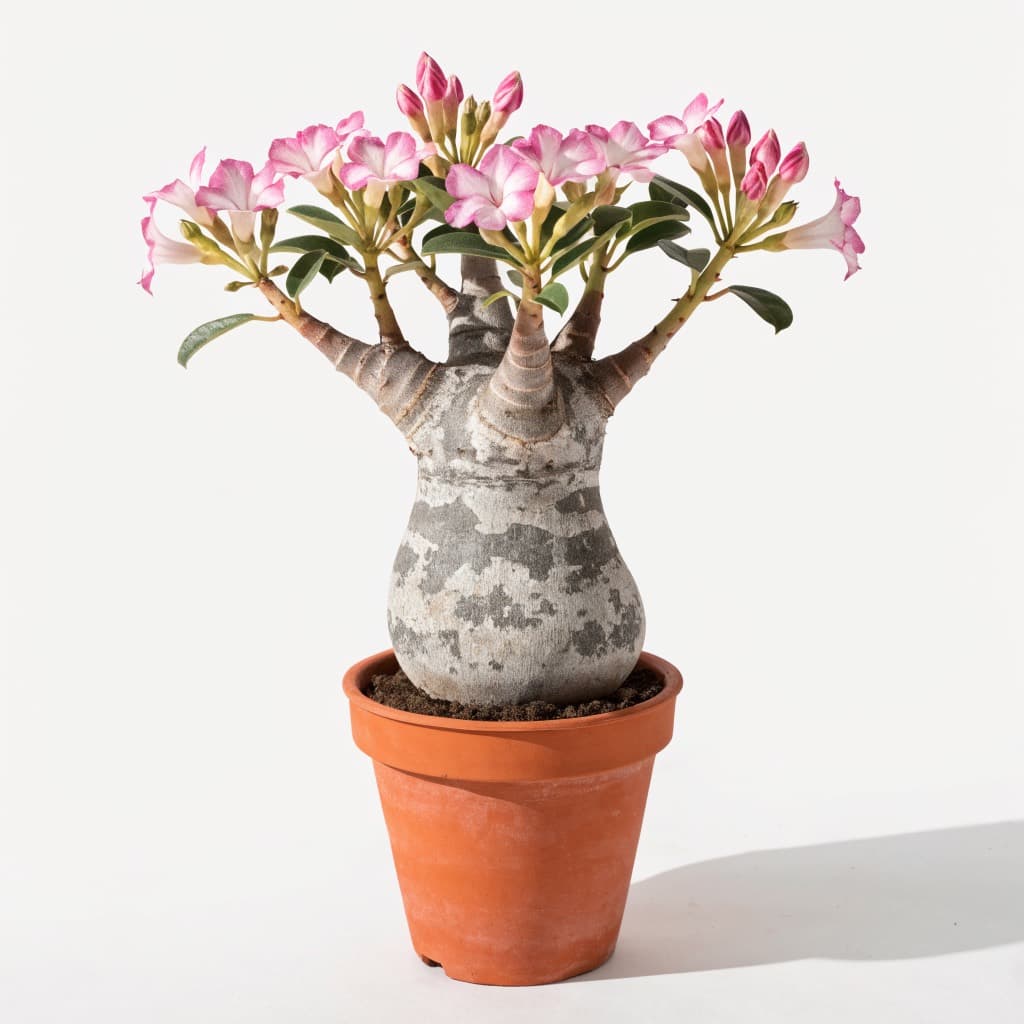
| Desert Rose (Adenium)Adenium obesum | Full sun | Every 14-21 days | Very easy | No | 40-80 cm | AED 119 |
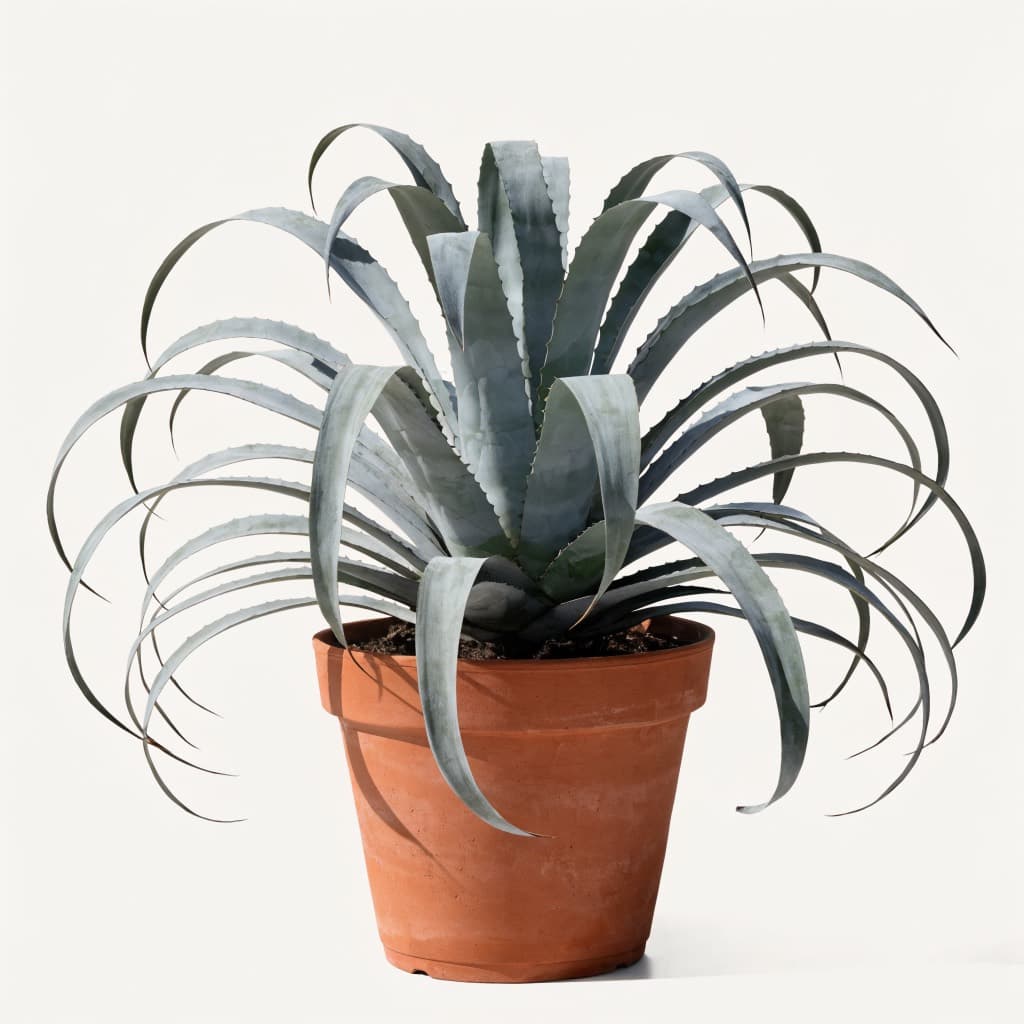
| Agave (Blue Attenuata)Agave attenuata | Full sun | Every 21-30 days | Very easy | No | 60-120 cm | AED 79 |
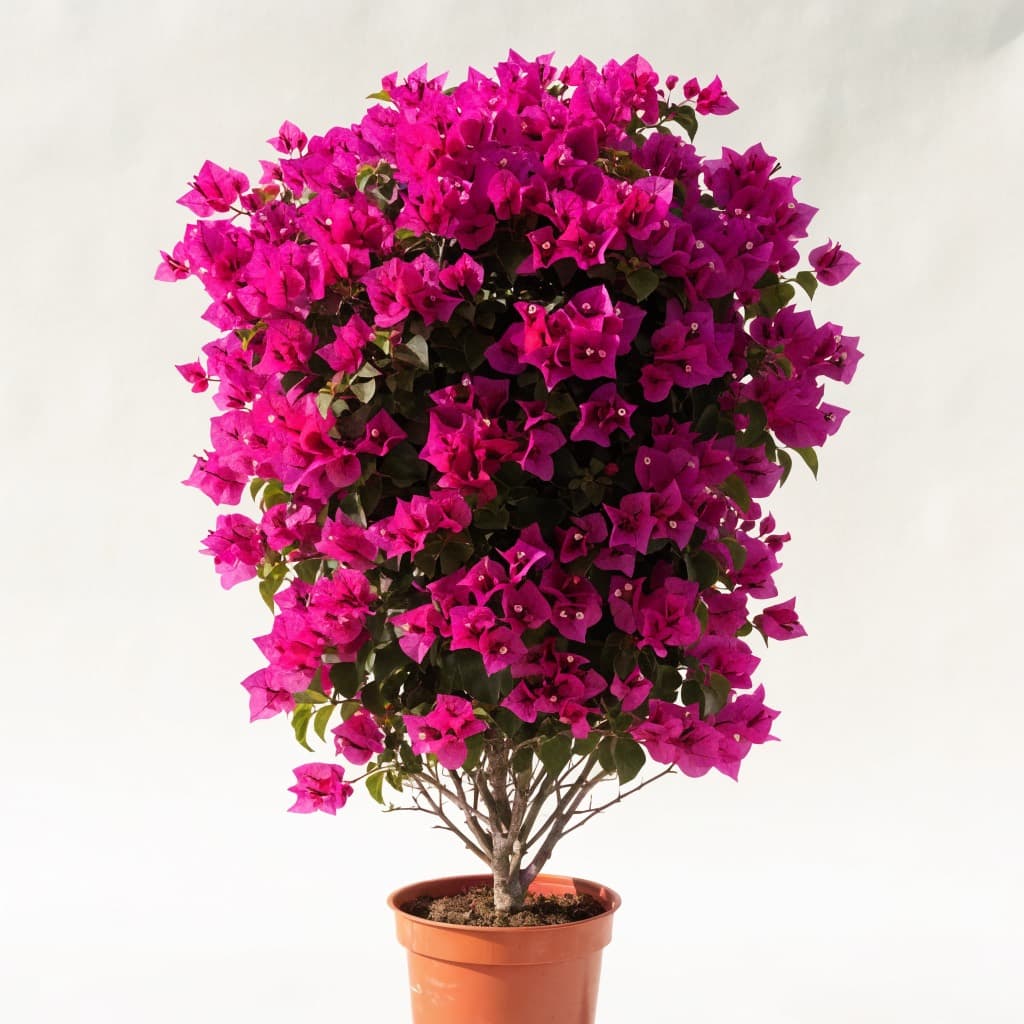
| Bougainvillea BushBougainvillea glabra | Full sun | Every 5-7 days | Easy | Partly | 80-150 cm | AED 129 |
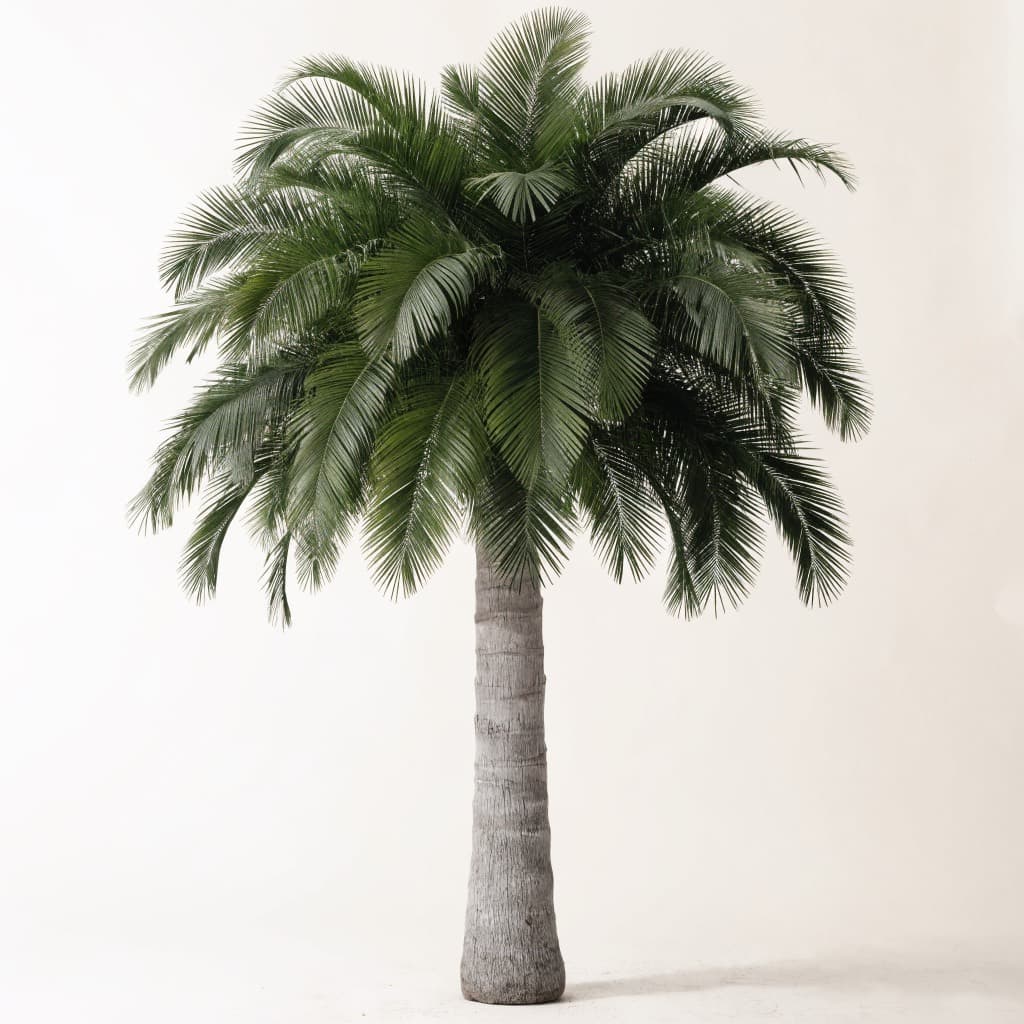
| Foxtail Palm — 180cmWodyetia bifurcata | Full sun | Every 5-7 days | Easy | Yes | 180-300 cm | AED 749 |
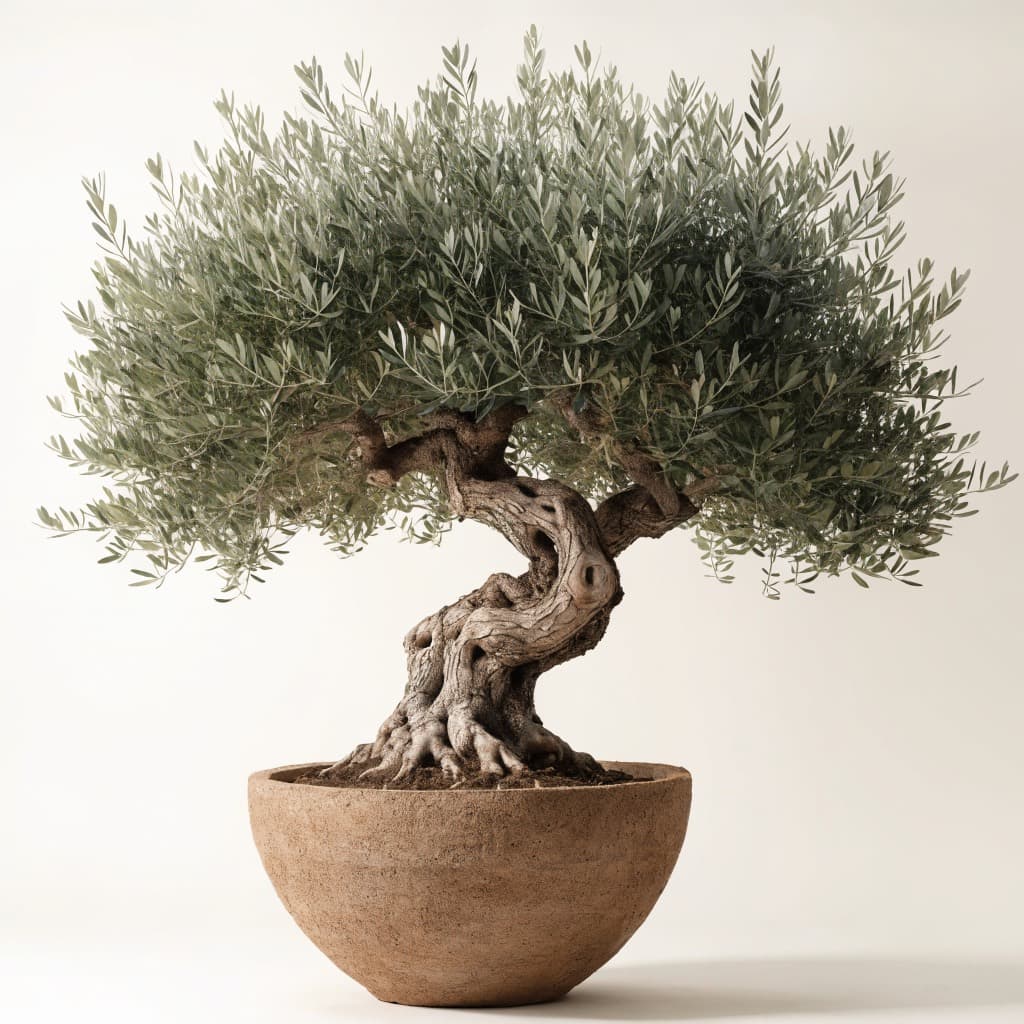
| Premium Olive Tree - XLOlea europaea | Full sun | Every 7-10 days | Easy | Yes | 150-250 cm | AED 2699 |
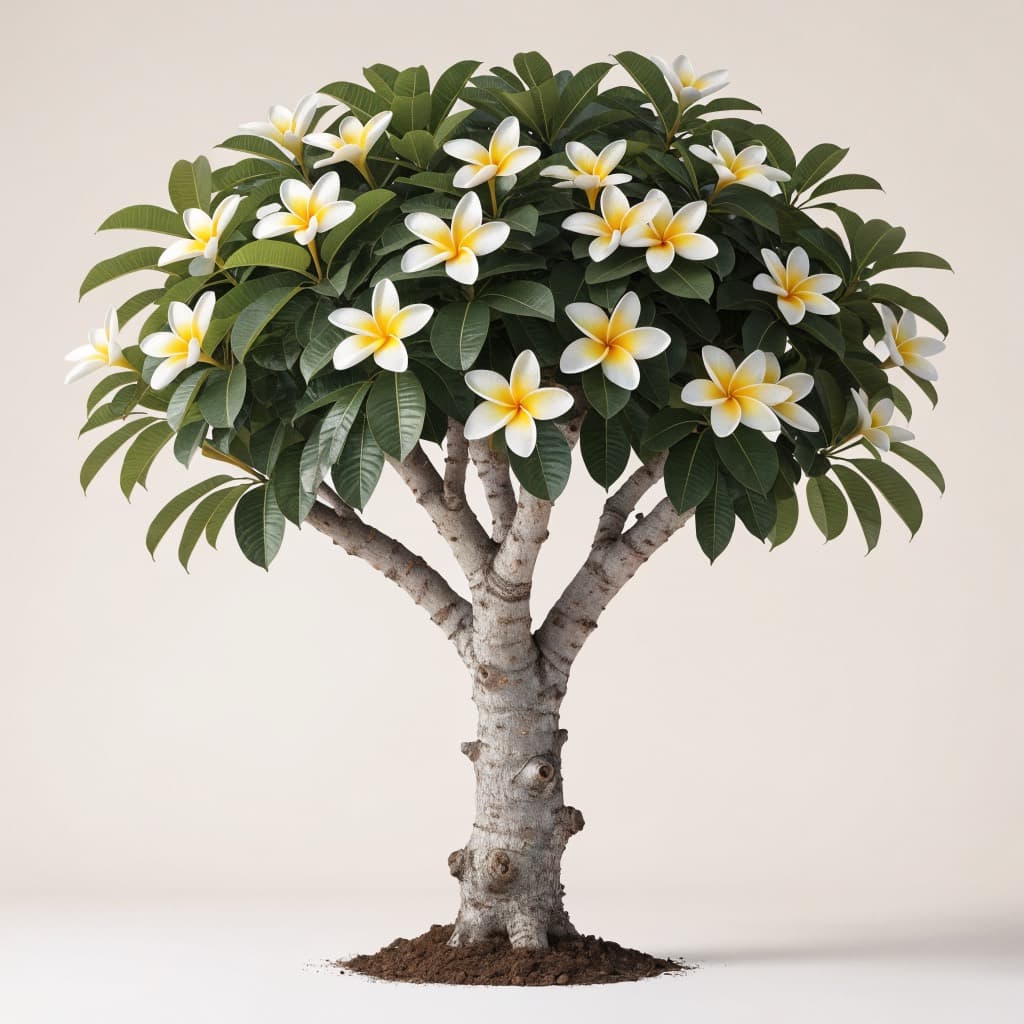
| Frangipani (Plumeria)Plumeria rubra | Full sun | Every 7-10 days | Easy | Partly | 100-180 cm | AED 249 |
The picks, in order
1.Ghaf Tree — UAE National Tree
Prosopis cineraria · AED 449
The UAE's national tree and the most climate-appropriate thing you can plant. Deep roots reach groundwater, so an established Ghaf needs almost no irrigation. Thorny — site it away from paths.
The UAE's national tree, adapted to this exact climate over millennia. Once established it needs almost no irrigation, which makes it the most water-efficient shade tree you can plant here.
2.Sidr Tree (Ziziphus)
Ziziphus spina-christi · AED 429
Native, edible-fruited and equally drought-hardy. Choose it over Ghaf where you want fruit and slightly denser shade.
Native, edible-fruited and deeply drought-tolerant. Like the Ghaf it is thorny, so site it away from paths and play areas.
3.Desert Rose (Adenium)
Adenium obesum · AED 119
Flowers through the worst of the summer on a fraction of the water a Hibiscus needs. Toxic throughout, so keep it away from pets and children.
Safety: Cardiac glycosides throughout the plant — genuinely dangerous to cats, dogs and children if eaten. Keep out of reach.
Native to the Arabian peninsula's climate and completely at home in UAE heat — the caudex stores water, so it is the lowest-maintenance flowering plant on a sunny balcony.
4.Agave (Blue Attenuata)
Agave attenuata · AED 79
Effectively irrigation-free once rooted, and strong architectural form. The terminal spines are genuinely sharp — keep it back from walkways.
Safety: Saponins in the sap, plus rigid terminal spines that can injure.
Effectively irrigation-free once rooted. Keep the spine tips away from walkways — on a young agave they are at eye level for a child.
5.Bougainvillea Bush
Bougainvillea glabra · AED 129
Thrives on heat and slight drought stress. The commonest UAE garden plant for good reason, and the commonest mistake is over-watering it into pure foliage.
Safety: Sharp thorns, and sap that can irritate skin.
The defining Gulf garden plant. It flowers hardest when slightly stressed, so resist overwatering — a bougainvillea kept too wet gives you leaves and no colour.
6.Foxtail Palm — 180cm
Wodyetia bifurcata · AED 749
Self-cleaning, so it sheds its own old fronds — far less maintenance than a date palm around a pool, and non-toxic.
Self-cleaning — old fronds drop on their own, so it needs far less trimming than a date palm around a pool.
7.Premium Olive Tree - XL
Olea europaea · AED 2699
Mediterranean, so Gulf heat and dry air suit it. The real risk is drainage: never let the pot stand in water.
Mediterranean climate, so it handles Gulf heat and dry air easily — the risk is drainage, not drought. Never leave the pot standing in a saucer of water.
8.Frangipani (Plumeria)
Plumeria rubra · AED 249
Full sun and heavy scent through summer, then a leafless dormancy from December that alarms people unnecessarily.
Safety: Milky sap is an irritant to skin, eyes and mouth.
Drops its leaves and stops in the cool months — that is dormancy, not death. Cut watering right back from December and it returns in spring.
What we left out, and why
- Lavender and most Mediterranean herbs — Sold year-round, but they are a winter crop here. They perform October to April and usually collapse in the summer humidity.
- Hydrangeas and roses — Popular imports that need cool nights and acidic soil. UAE alkaline water and summer heat make both a recurring disappointment.
Common questions
What is the most heat-tolerant tree for a UAE garden?
The Ghaf (Prosopis cineraria). It is native to the Arabian peninsula, evolved for this exact climate, and once established survives on very little irrigation while providing real shade. The Sidr is the next best native choice.
When should I plant outdoors in the UAE?
October to March. Planting in the cool season gives roots time to establish before summer, which is the single biggest factor in whether a new garden plant survives its first July. Planting in June means irrigating heavily just to keep it alive.
Why do my garden plants get yellow leaves with green veins in the UAE?
That pattern is iron chlorosis, caused by alkaline soil and hard irrigation water locking out iron. It is extremely common here, especially on Ixora, citrus and gardenias. Treat it with chelated iron rather than more nitrogen feed.