UAE plant guide
Which fruit trees actually grow in the UAE?
Fruit in the UAE is a question of salt and season rather than heat. Summer temperatures are survivable for most subtropical fruit; what limits a tree here is alkaline soil, hard irrigation water that accumulates salts in the root zone, and a flowering window that has to land before the heat arrives.
The practical consequence is a watering rule that reverses normal advice: water deeply and less often, enough to flush salts down past the roots. Little-and-often irrigation concentrates salts exactly where the tree feeds, and the leaf-edge burn that follows is usually misread as drought.
Below are the trees that hold up, ranked by how likely you are to actually eat something in the first two years.
| Plant | Light | Water (in AC) | Pet safe | Difficulty | Mature height | Price |
|---|---|---|---|---|---|---|
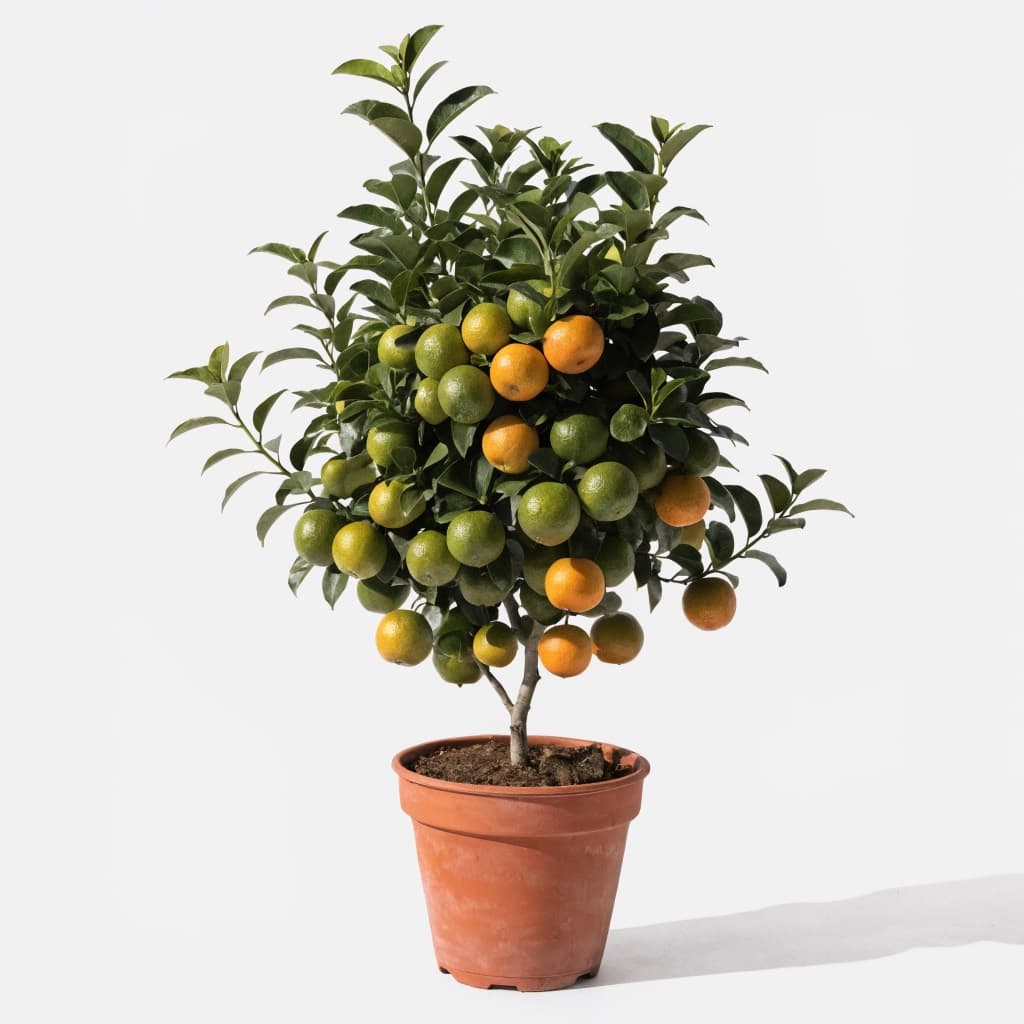
| Calamansi LimeCitrofortunella microcarpa | Full sun | Every 4-6 days | Partly | Easy | 60-150 cm | AED 99 |
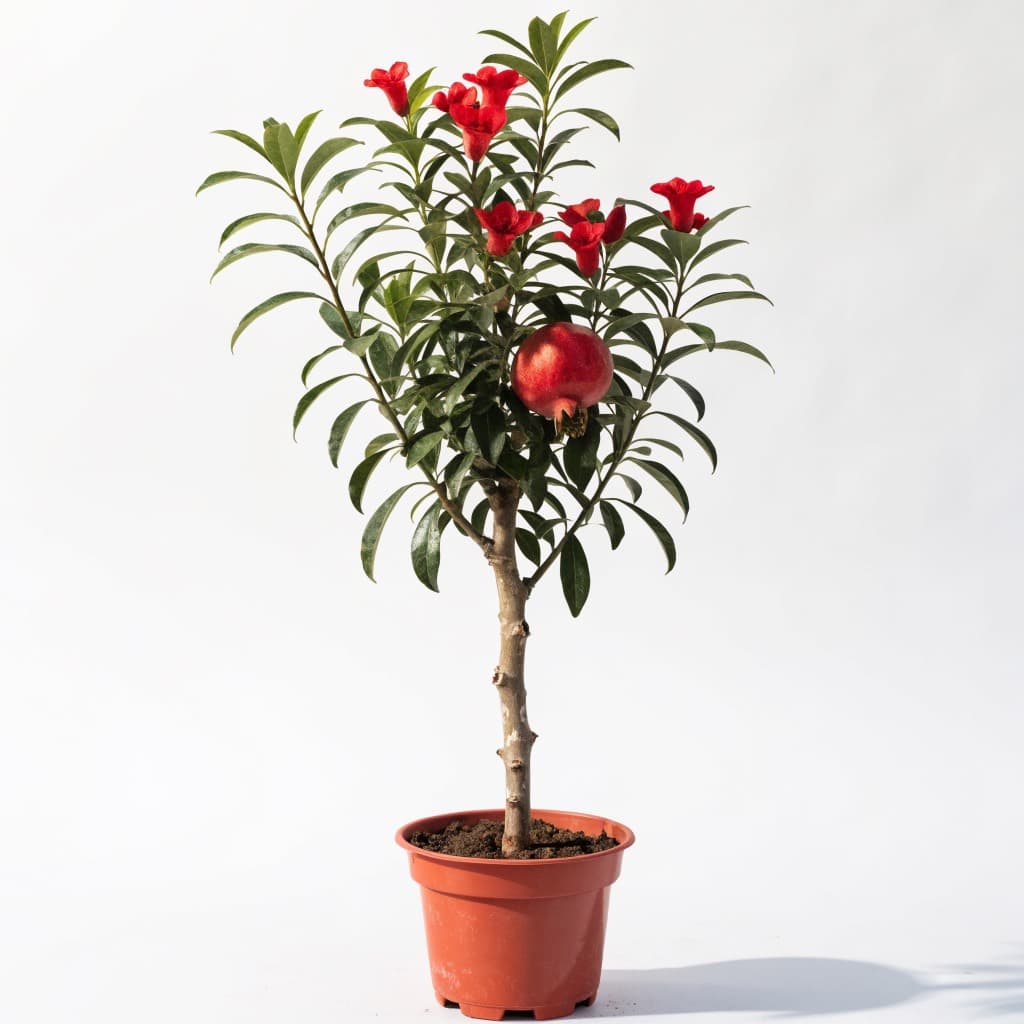
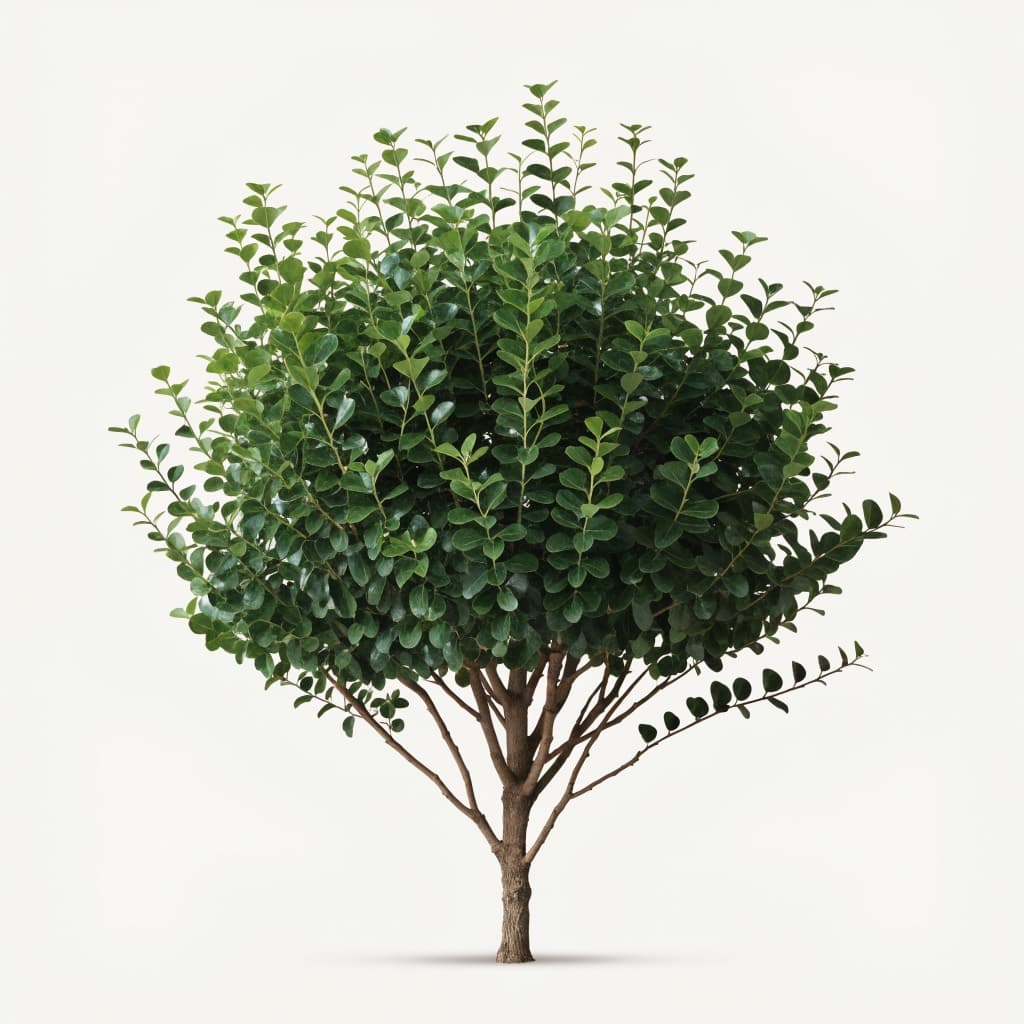
| Pomegranate TreePunica granatum | Full sun | Every 5-7 days | Yes | Easy | 100-250 cm | AED 89 |
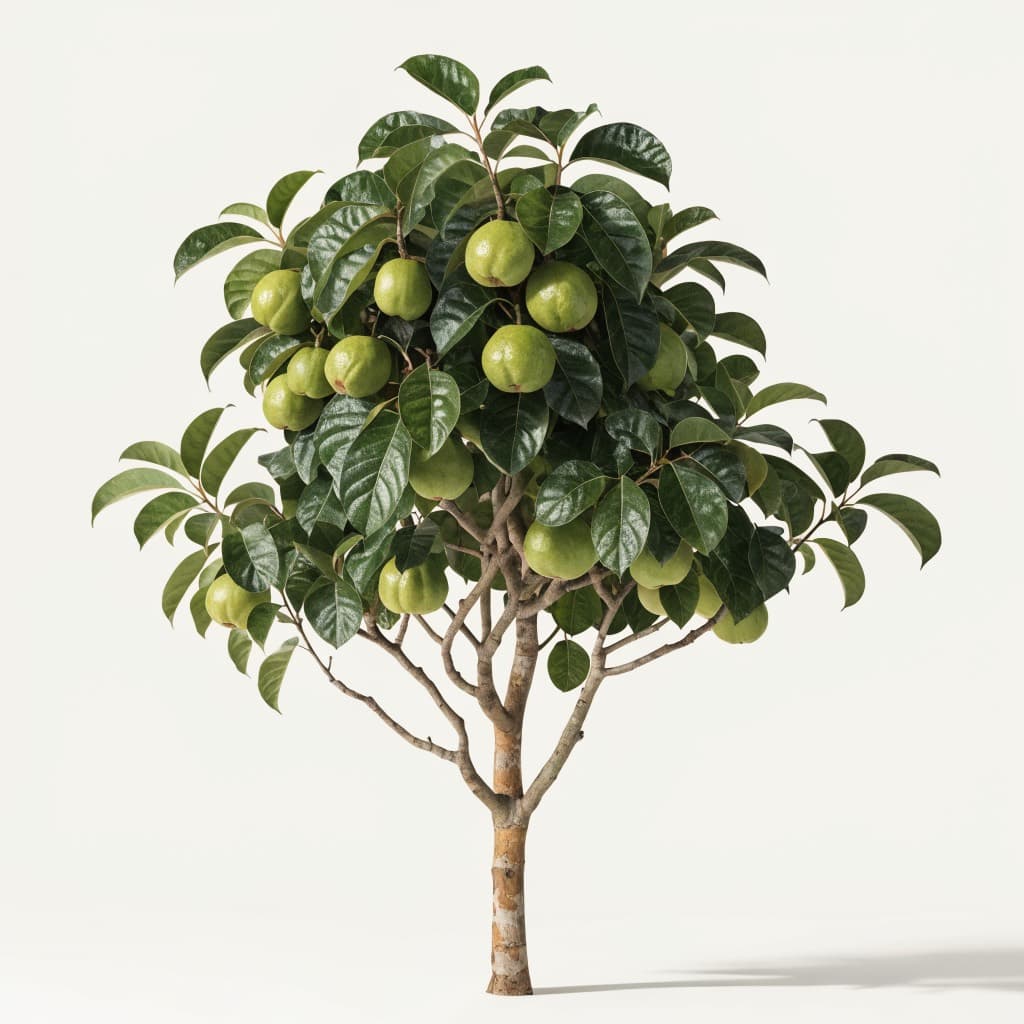
| Guava Tree — 100cmPsidium guajava | Full sun | Every 3-5 days | Yes | Easy | 150-300 cm | AED 129 |
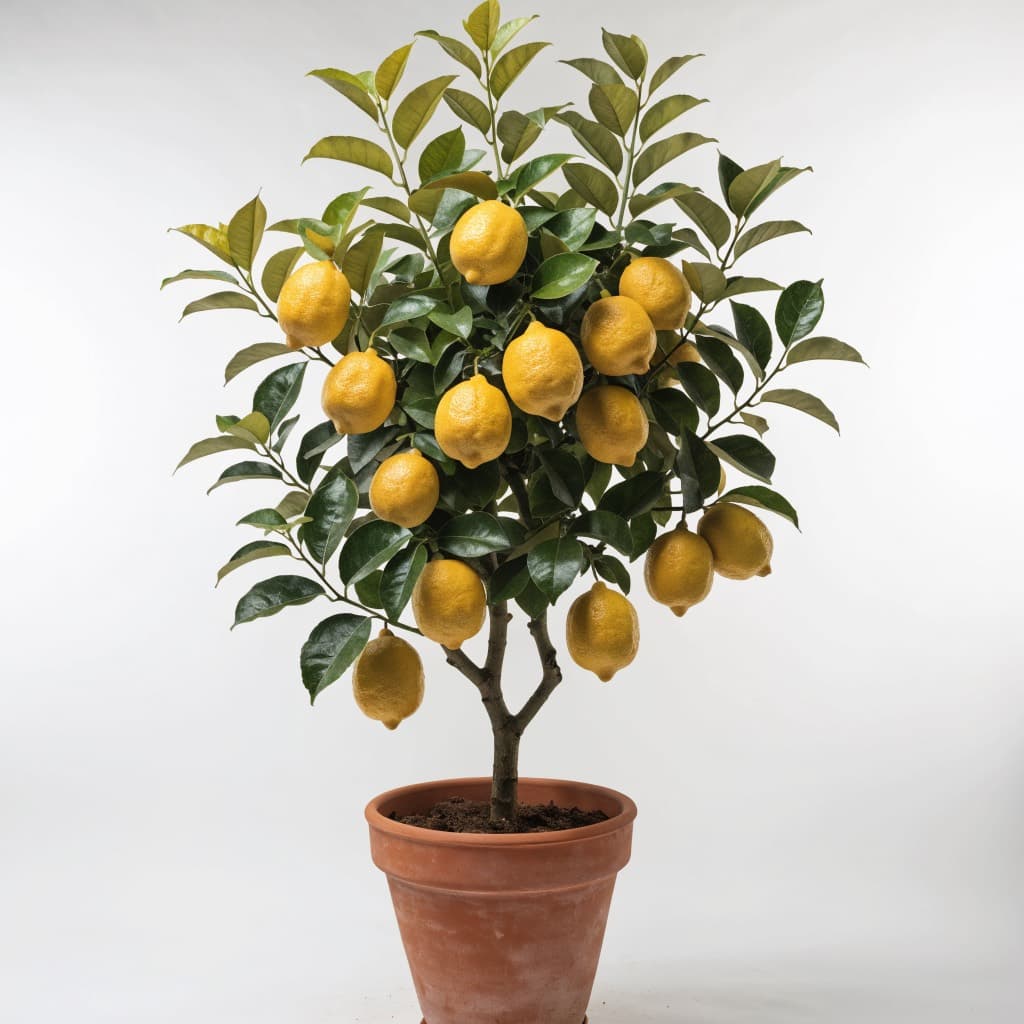
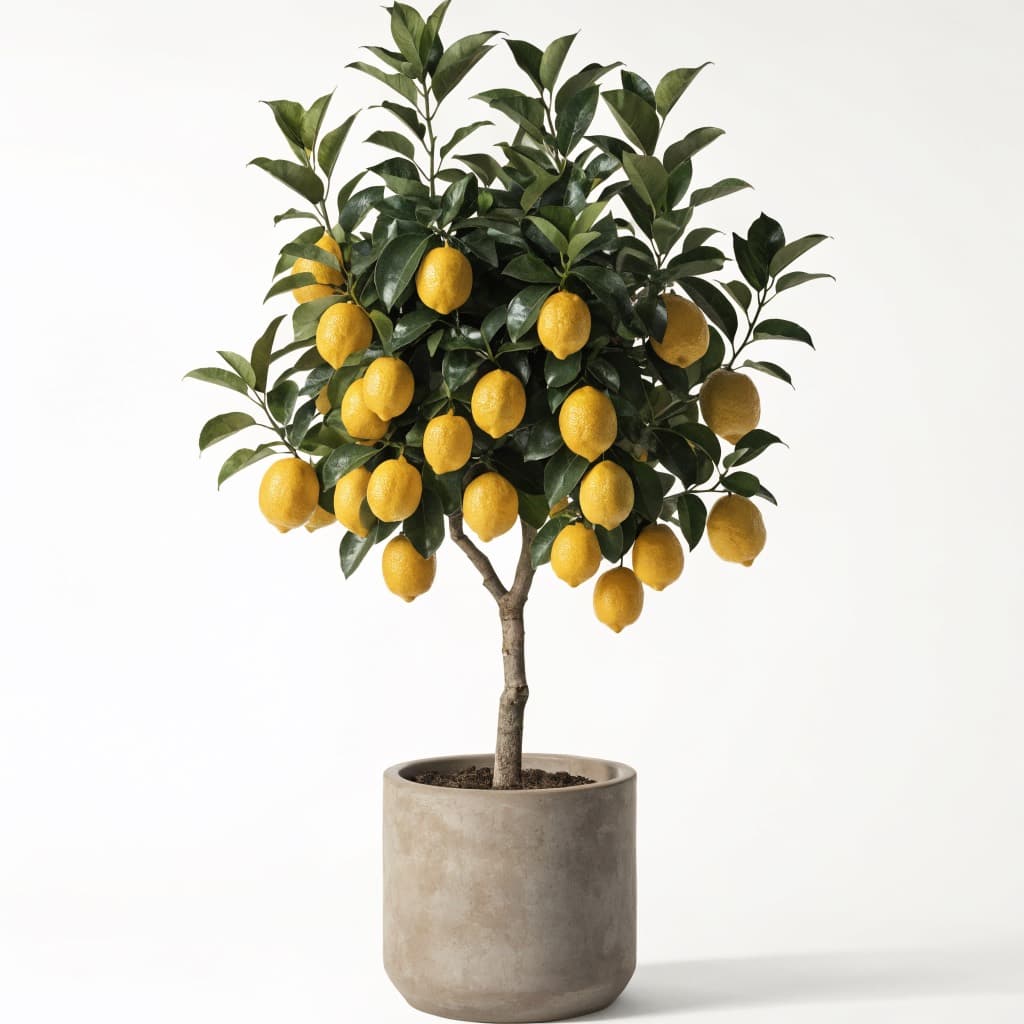
| Lemon Tree (Omani) — 100cmCitrus limon | Full sun | Every 4-6 days | Partly | Moderate | 100-200 cm | AED 199 |
| Lemon Tree - XLCitrus × limon | Full sun | Every 4-6 days | Partly | Moderate | 150-250 cm | AED 629 |
| Sidr Tree (Ziziphus)Ziziphus spina-christi | Full sun | Every 10-14 days | Yes | Very easy | 150-300 cm | AED 429 |
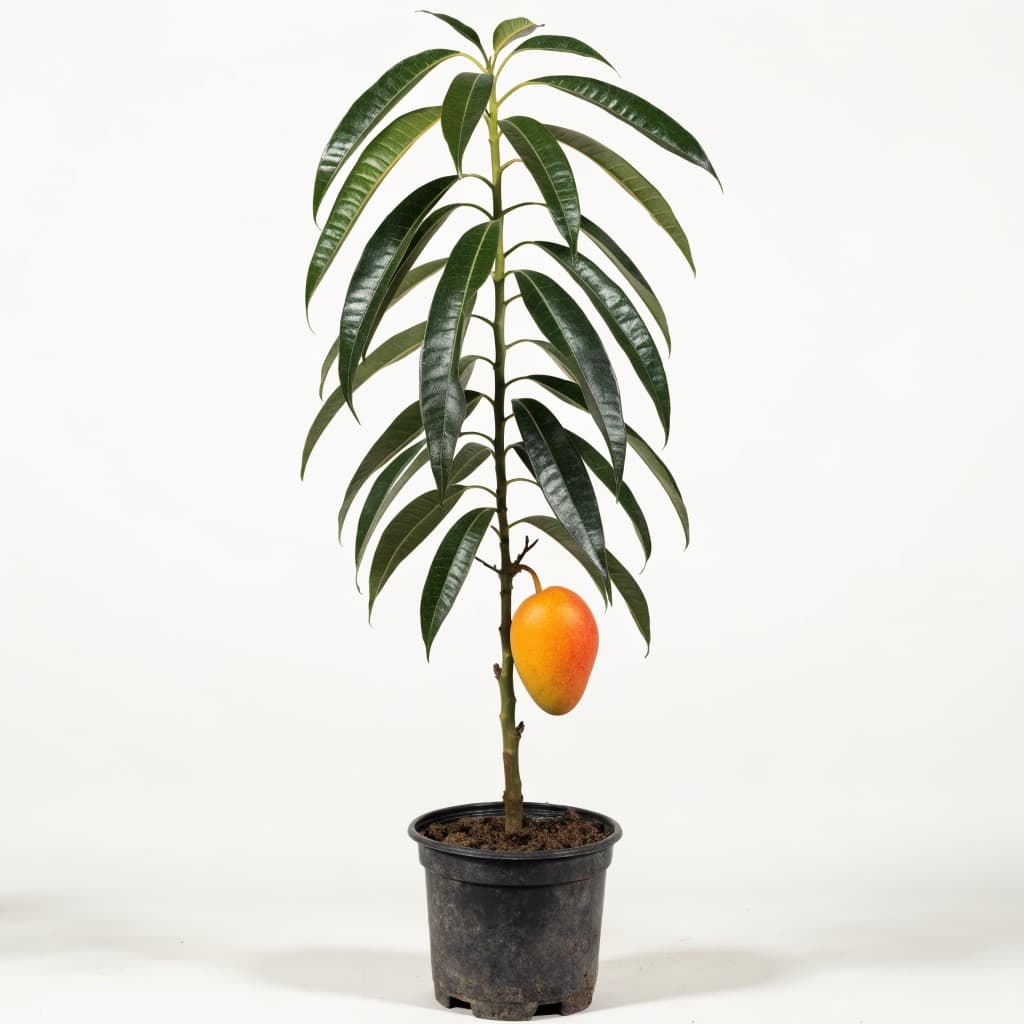
| Mango Tree — 120cmMangifera indica | Full sun | Every 3-5 days | Partly | Moderate | 150-400 cm | AED 179 |
The picks, in order
1.Calamansi Lime
Citrofortunella microcarpa · AED 99
The fastest route to fruit, and the most forgiving of heat — it flowers and fruits in overlapping flushes almost year-round, and it crops happily in a pot on a balcony. Yellowing between green veins means iron, which hard local water strips.
Safety: Citrus oils and psoralens in the peel and leaves upset cats and dogs.
The easiest citrus to fruit in a pot here and the most forgiving of Gulf heat — it flowers and fruits in overlapping flushes almost year-round. Yellowing between green veins means it wants iron, which hard local water strips.
2.Pomegranate Tree
Punica granatum · AED 89
Native to this climate band, so it takes the heat and the salt better than any other fruit tree we sell. It drops its leaves for a few weeks in winter — dormancy, not death.
Native to this climate band and it shows — pomegranate takes Gulf summer heat and saline soil better than any other fruit tree we sell. Drops its leaves for a few weeks in winter; that is dormancy, not death.
3.Guava Tree — 100cm
Psidium guajava · AED 129
Crops reliably and grows fast enough to double as a screen within two years. Fruit fly is the real enemy here: bag the fruit or trap in spring, or you will open perfect-looking guavas full of larvae.
Fruits reliably in UAE gardens and grows fast enough to be a screen within two years. Fruit fly is the real enemy here — bag the fruit or trap in spring, or you will open perfect-looking guavas full of larvae.
4.Lemon Tree (Omani) — 100cm
Citrus limon · AED 199
The standard-size citrus for a garden bed or a large pot. Citrus here is salt management — deep flushing waterings, never little and often, or the leaf edges burn.
Safety: Citrus oils and psoralens in the peel and leaves upset cats and dogs.
Fruits well here with consistent water and monthly feed. Yellow leaves are usually iron lockout from alkaline tap water rather than a feeding problem — treat with chelated iron.
5.Lemon Tree - XL
Citrus × limon · AED 629
A mature specimen that fruits in its first season with you rather than in three years. Worth the difference if you want a productive tree now instead of a project.
Safety: Citrus oils and psoralens in the peel and leaves upset cats and dogs.
A mature specimen that fruits in its first season with you rather than in three years. Citrus here is a salt-management job: water deeply enough to flush the pot, never little-and-often, or salts build and the leaf edges burn.
6.Sidr Tree (Ziziphus)
Ziziphus spina-christi · AED 429
The native jujube, of real cultural significance here and almost unkillable once established. Fruit is small and an acquired taste — buy it for the tree and the shade as much as the crop.
Native, edible-fruited and deeply drought-tolerant. Like the Ghaf it is thorny, so site it away from paths and play areas.
7.Mango Tree — 120cm
Mangifera indica · AED 179
It grows here, but be honest about the timeline: a grafted tree fruits in year three to four, and flowering fails if February humidity brings powdery mildew. A garden tree, not a balcony tree. The sap contains urushiol — the poison-ivy compound — so gloves when pruning.
Safety: Sap and skin contain urushiol, the compound in poison ivy — a contact rash risk for sensitive people when pruning or picking.
It grows here, but be honest about the timeline: a grafted tree fruits in year three to four, and flowering fails if the February humidity brings powdery mildew. A garden tree, not a balcony tree.
What we left out, and why
- Apple, pear, cherry and most stone fruit — They need winter chill hours the UAE does not get. A tree may live; it will not fruit properly. This is the single most common disappointment in UAE home orchards.
- Avocado — Sensitive to saline irrigation water and to hot dry wind at flowering. Possible with RO water and shelter, difficult otherwise, and slow either way.
Common questions
Why do the leaf edges on my citrus tree go brown in the UAE?
Almost always salt accumulation from hard irrigation water, not underwatering. Frequent shallow watering leaves salts in the root zone; the fix is to water deeply enough that water runs from the base of the pot or soaks well below the roots, less often. Adding gypsum to garden beds helps displace sodium.
Can I grow fruit trees in pots on a UAE balcony?
Calamansi, dwarf lemon and pomegranate all crop in pots of 40cm or larger. The limits are water and salts: a pot dries within hours in July, and salts concentrate faster than in open ground, so flush the pot thoroughly every few waterings and repot every two to three years.
When do fruit trees flower in the UAE?
Most flower between February and April, before the heat, which is why a mild dry February matters more than anything that happens in summer. Citrus is the exception and flushes several times a year, and pomegranate flowers from March into early summer.