Most houseplant problems in UAE homes come from five causes: soil kept wet in a cool, dim air-conditioned room, cold dry air from a vent, salts from desalinated tap water, a plant still adjusting after delivery, and spider mites in dry air. Yellow lower leaves on damp soil almost always mean too much water for the light; brown crispy tips mean dry air or salt build-up; sudden leaf drop means a draught or a recent move. Find your symptom below, make the one or two checks listed, and fix the cause before you treat the leaf.
Three checks before you treat anything
Almost every houseplant problem in a Dubai or Abu Dhabi apartment is explained by one of three things, and all three take a minute to check. Do them before you buy a spray, repot or change anything else, because the wrong fix usually makes the real problem worse.
- The soil, top and bottom. Push a finger 2 to 3cm into the pot, then push a wooden skewer to the bottom and pull it out. In an AC room held at 22 to 24°C, soil dries from the top while the bottom stays wet for days, so a dry surface can sit on top of a waterlogged root ball.
- The air. Stand where the plant stands and hold your hand out. If you can feel moving air, the plant is in the stream from a vent, which runs at roughly 16 to 18°C and is very dry.
- The calendar. How long have you had the plant, and has anything changed recently: a new spot, a new pot, the season, the AC setting? A plant under three weeks in your home is usually still adjusting, and many autumn problems start when summer habits meet shorter days.
Symptom finder: the short version
Use this to find the likely cause, then read the section for that symptom below. Where two causes are listed, the checks above tell you which one you have.
- Lower leaves turning yellow, soil damp: too much water for the light. Stop watering until the skewer comes out dry.
- One old leaf yellowing every few weeks: normal ageing. Cut it off at the base.
- Brown papery tips, rest of the leaf green: dry AC air or tap-water salts. Move it out of the airflow and flush the pot.
- White crust on the soil or pot rim: salts from tap water or fertiliser. Flush the pot and pause feeding.
- Dark soft spots with a yellow halo: overwatering and early root rot. Dry it out and check the roots.
- Drooping with dry soil: thirst. Soak it; it should recover within hours.
- Drooping with wet soil: roots not working, usually rot. Unpot and inspect.
- Sudden leaf drop on a ficus: a cold draught or a recent move. Move it once, then leave it.
- Small, pale new leaves and long bare stems: not enough light. Move it closer to a window.
- Fine pale speckling or webbing: spider mites. Isolate and rinse.
Yellow leaves: which ones, and how fast
Yellowing on its own tells you little. Which leaves are going, and how quickly, tells you almost everything. One lower leaf now and then is the plant retiring old growth, and there is nothing to fix. Several lower leaves at once, with damp soil, is the classic UAE pattern: the plant is being watered more than a cool, dimly lit room can use. At 22 to 24°C, behind tinted glass, a 17cm pot can stay wet for two weeks, and a weekly watering habit keeps the roots permanently short of air. The intervals that actually suit AC apartments are in how often to water indoor plants in an air-conditioned flat.
Check the outer pot as well as the soil. A nursery pot dropped inside a decorative planter with no hole is a common hidden cause: water runs through the nursery pot and collects in the bottom of the planter, where the roots sit in it. Lift the nursery pot out after watering, or tip the planter out ten minutes later.
Yellowing spread across the plant in the first two or three weeks after it arrives is usually acclimatisation to lower light and drier air, not disease; what is normal and what is not is covered in why a new plant drops leaves after delivery. Yellow new leaves with green veins point to nutrient lockout from alkaline tap water and old soil; it is more common outdoors, but an indoor plant that has lived in the same mix for years can show it too, and fresh mix in spring or autumn fixes it. Bleached, pale patches on the side facing the window are sun scorch through glass, most often behind west-facing windows from June to September.
Watch for the seasonal turn now. From November to February Dubai gets up to about three hours less daylight a day than in June, and many homes run the AC less, so plants use far less water. A plant kept on its summer schedule into December is the usual reason for a winter flush of yellow leaves.
Brown tips and crispy edges
This is the UAE symptom. Indoor humidity in an air-conditioned flat often sits around 30 to 40 per cent, well below what most tropical houseplants evolved in, and Dubai tap water is desalinated, chlorinated and leaves dissolved salts in the pot with every watering. Either one browns leaf tips; together they do it faster.
To tell which one you have, look at the soil surface and the pot rim. A white crust means salts, so flush the pot under running water for a full minute once a month and switch sensitive plants such as calathea, ferns and spider plants to filtered or rested water, as explained in whether Dubai tap water is safe for houseplants. If there is no crust but the plant sits near a split unit or under a ceiling cassette, the cause is the air: the fix and safe distances are in whether a plant can sit next to an AC vent. Brown tips that appear a week or two after feeding are fertiliser salts, and the same flush plus a two-month break from feeding sorts them out.
Two patterns look similar and need the opposite response. Crisp edges working inward on a plant whose pot feels light and dry mean underwatering, or a root-bound pot that now dries out in a day. Dark brown or black soft patches, often with a yellow halo and on lower leaves first, mean the roots are too wet. Trim brown tips with clean scissors following the leaf's natural shape; the cut edge stays brown, but the browning stops spreading once the cause is fixed.
Drooping and sudden leaf drop
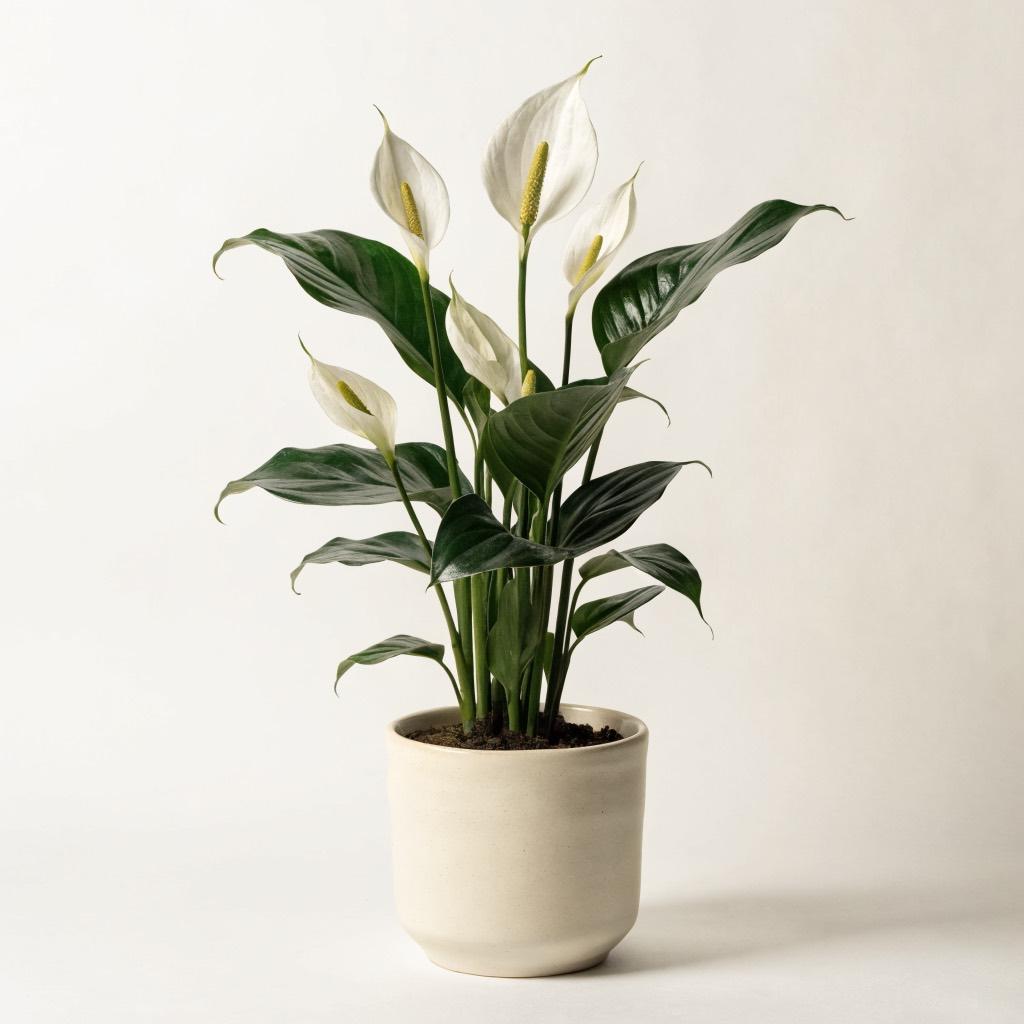
Drooping is the one symptom where the soil test gives an instant answer. Dry soil and a droop means thirst: soak the pot until water runs out, and most plants stand up again within a few hours. The peace lily is the most dramatic about it and the quickest to recover; the pattern and what to do when it droops on damp soil are in our peace lily care guide.
Wet soil and a droop is more serious, because the roots have stopped taking up water, and the most common reason is rot. Slide the plant out of its pot. Healthy roots are pale and firm; rotten ones are brown, soft and smell sour. Cut the soft roots away, repot into fresh, barely damp mix in a pot no bigger than the remaining root ball, and hold off watering for a few days.
Sudden leaf drop, with nothing obviously wrong, is a ficus speciality. Fiddle leaf figs, rubber plants and weeping figs react to cold moving air and to being moved, so a plant shuffled around the room looking for the right spot keeps dropping leaves because it keeps being moved. Feel for a draught, move the plant once if you find one, then leave it; the full explanation is in our fiddle leaf fig care guide. A plant that droops on the day it arrives is usually reacting to transit and needs water only if its soil is dry.
Pale, small or stretched new growth
When each new leaf comes in smaller and paler than the last, stems stretch with long gaps between leaves, and the plant leans hard towards the glass, it needs more light. UAE apartments make this easy to get wrong: tinted and reflective glass, deep balconies that shade the window below them, and furniture layouts that put plants three or four metres back from the light. A spot that feels bright to you can be dim for a plant.
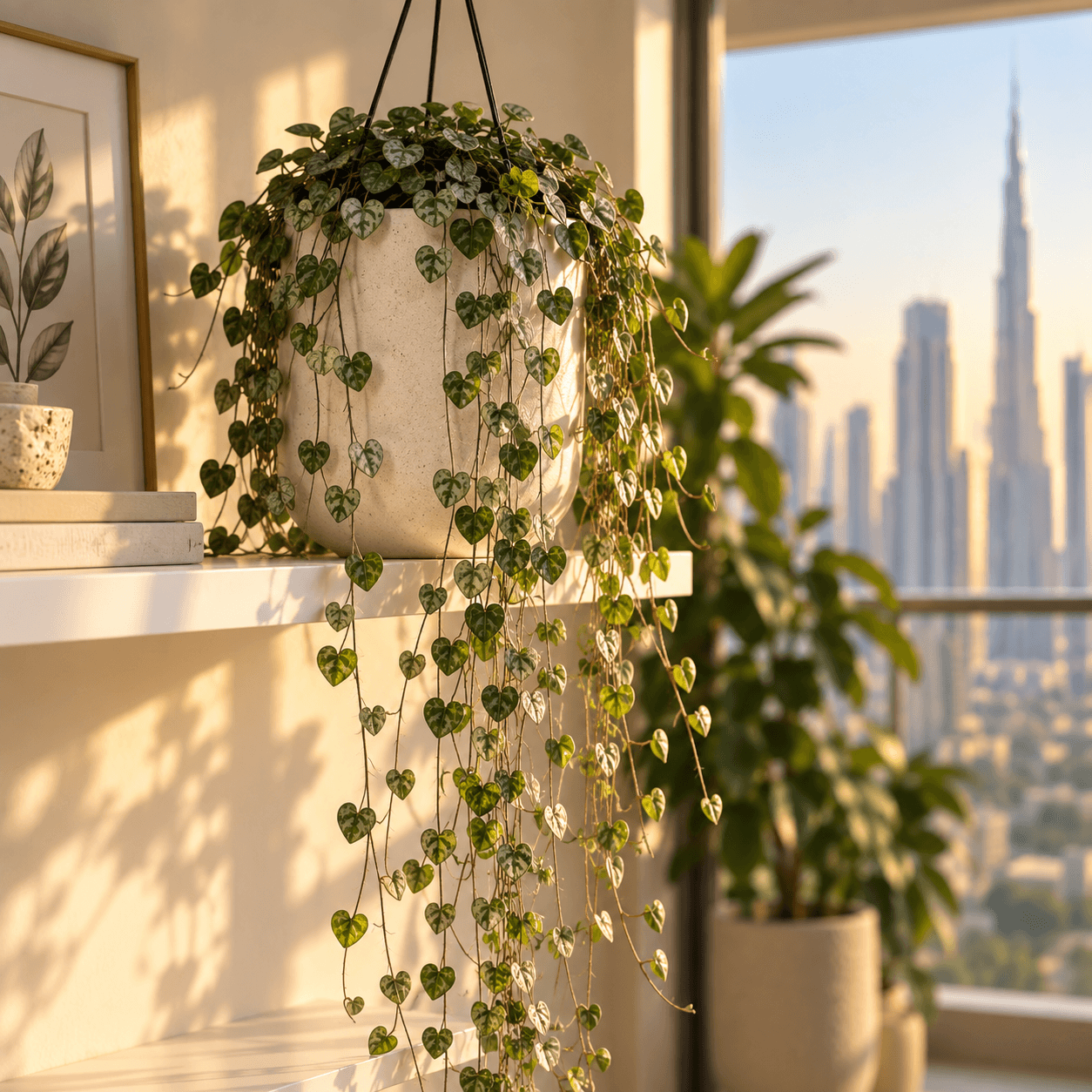
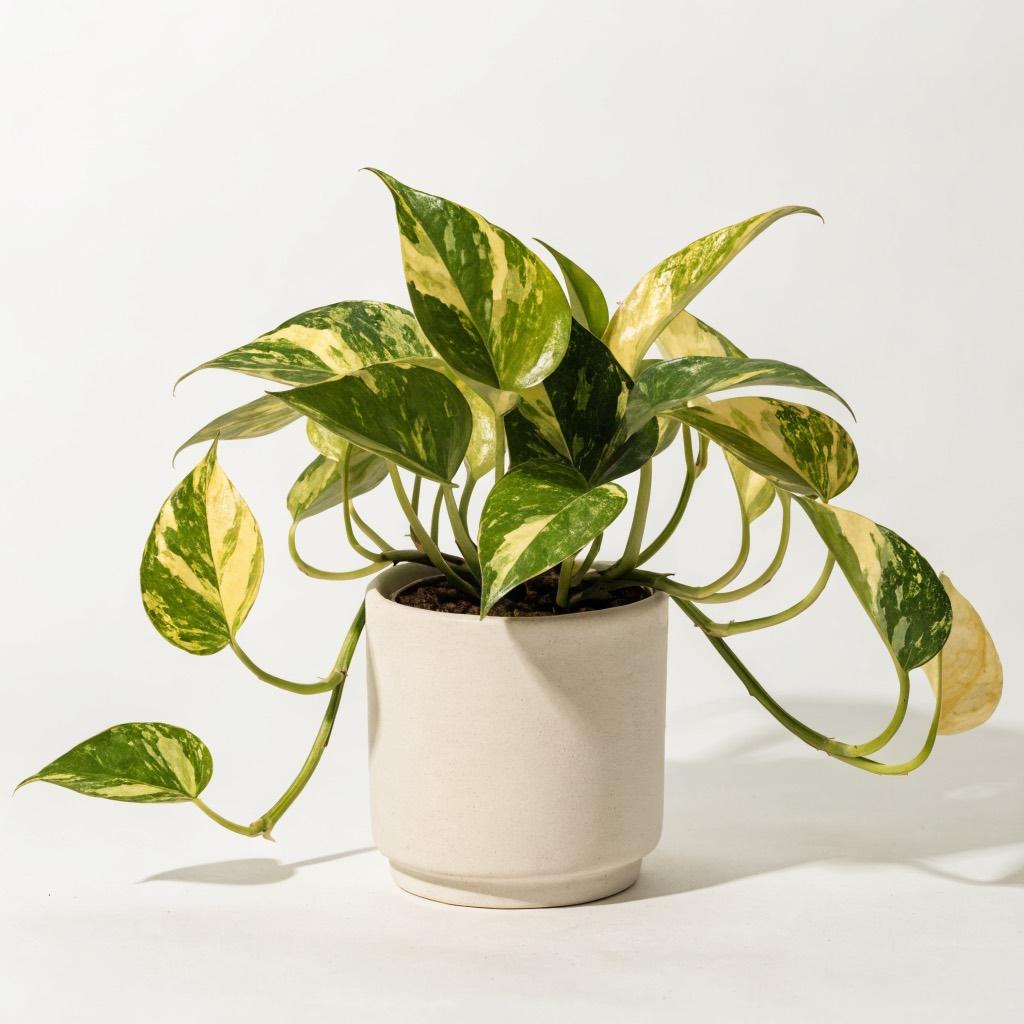
Other signs are specific to the plant: a monstera producing new leaves without splits, a variegated pothos turning plain green, a string of hearts growing long bare vines with few leaves. Move the plant to within a metre or two of a window, rotate it a quarter turn every few weeks so it grows evenly, or choose a plant built for the spot from our best low-light plants for Dubai apartments. The season helps from November: the winter sun sits lower and reaches deeper into a room, so it is a good time to move plants back towards the window. Pull them back from west-facing glass again in June.
Pests that come with dry AC air
If the checks above come back clean and the plant is still declining, turn a few leaves over and look with a phone torch. Four pests cause most indoor infestations in the UAE, and each leaves a recognisable sign.
- Spider mites: a fine pale speckling across the leaf, then webbing at the shoot tips. They thrive in exactly the warm, dry air of an AC apartment and hit thin-leaved plants such as calathea, ferns and fiddle leaf figs first.
- Mealybug: white cottony tufts in leaf joints and under leaves. It usually arrives on a new plant, which is why a two-week quarantine for every new arrival prevents most outbreaks.
- Scale: hard brown bumps on stems and leaf undersides, often with sticky residue below. Common on ficus.
- Fungus gnats: small dark flies over the soil, worse after watering. They are a sign the soil is kept too wet, not a disease of the plant.
Rescue, replace, or ask us
Most pests need the same approach: isolate the plant, remove what you can see, and treat on a seven-day cycle for three weeks so you catch the eggs that hatch after the first round. The identification photos, products and timing for each are in the five plant pests you will meet in the UAE.
Plants recover from most of the problems on this page once the cause is fixed, but damaged leaves do not turn green again, so judge progress by the new growth. Replace rather than rescue when most of the roots have rotted, or when a thin-leaved plant is covered in mites and has lost most of its colour.
If a plant from us arrived damaged, send a photo on WhatsApp (+971 50 136 8558) within 24 hours of delivery and we replace it free. If it is still struggling inside its first 14 days and you have followed the care card, message us and we replace it once; both are explained in how the alive-on-arrival guarantee works. After that, a photo on WhatsApp is still the quickest way to get a second opinion. And if a spot keeps killing the same kind of plant, change the plant rather than the care: the tougher options are ranked in plants that survive air conditioning.
A little more clarity
Common questions.
Should I cut yellow leaves off my houseplant?
Yes, once a leaf is mostly yellow. It will not turn green again, and the plant is already withdrawing what it can from it. Cut it off at the base with clean scissors. Before you do, work out why it yellowed: one old leaf is normal, several at once means something needs changing.
Why do my houseplants get yellow leaves in the Dubai winter?
Usually because they are still on a summer watering schedule. From November to February days are shorter and many homes run the AC less, so plants use much less water and the soil stays wet for longer. Check the soil at the bottom of the pot with a skewer before watering, and expect gaps between waterings to lengthen.
Can a houseplant recover from root rot?
Often, if some firm, pale roots remain. Unpot it, cut away every soft brown root, repot into fresh, barely damp mix in a pot sized to what is left, and wait a few days before watering. If almost all the roots are gone, take a healthy stem cutting from plants that root easily, such as pothos, rather than trying to save the base.
Can a pot with no drainage hole cause yellow leaves?
Yes, and it is a common cause in UAE apartments, where nursery pots are often dropped straight into sealed decorative planters. Water collects at the bottom, the lower roots sit in it and start to rot, and the lower leaves yellow. Keep plants in a nursery pot with holes inside the decorative planter, and empty any water that collects in the planter after watering.
How can I tell if my plant needs more light in a Dubai apartment?
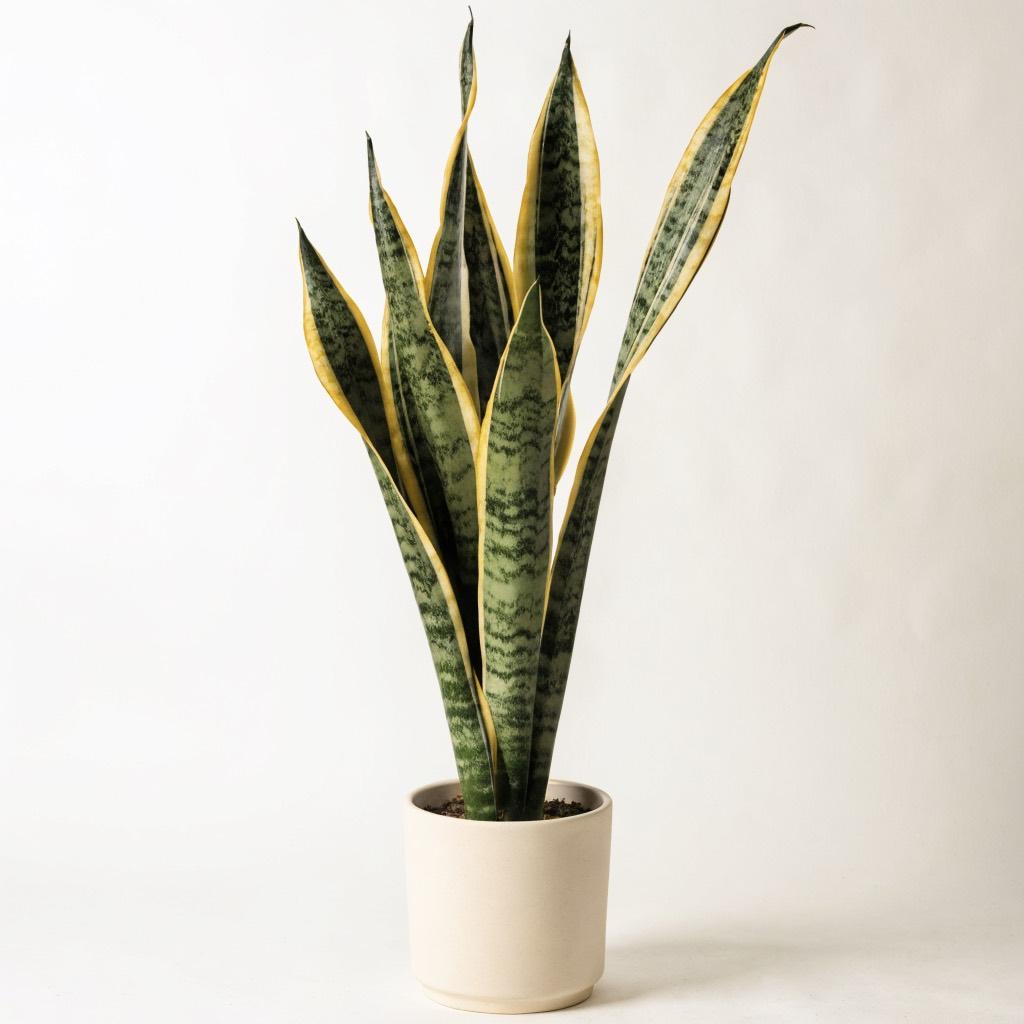
New leaves come in smaller and paler than the old ones, the gaps between leaves get longer, and the plant leans towards the window. Variegated plants lose their patterning and monstera stops making splits. Move it within a metre or two of a window, or swap it for a low-light plant such as a ZZ or snake plant.