Five pests cause almost every infestation on plants in UAE homes and balconies: mealybug, spider mite, whitefly, scale and fungus gnats. Each one looks different and each one needs a different response, but the treatment pattern is the same — isolate the plant, physically remove what you can see, then treat on a seven-day cycle for three weeks so you catch the eggs that hatch after the first spray.
Identify first — the treatment depends on it
Reaching for a spray before identifying the pest is how people spend three weeks treating the wrong thing. Turn the plant around, look under the leaves and into the joints where leaf meets stem, and match what you see to the list below.
- White cottony fluff in leaf joints, slow-moving: mealybug. The classic UAE indoor pest, and the one most often imported on a new plant.
- Fine webbing at shoot tips, leaves stippled pale or bronze, dust-sized specks that move: spider mite. Thrives in dry air-conditioned rooms and on hot balconies.
- Tiny white moths that fly up in a cloud when you touch the plant: whitefly. Mostly an outdoor and edible-garden problem here, especially on tomatoes and hibiscus.
- Hard brown or tan bumps stuck to stems and leaf undersides, sticky residue below: scale. Common on ficus, citrus and olive (on olives, thinning the canopy for airflow helps, as the olive tree care guide explains).
- Small dark flies running over the soil surface, worse after watering: fungus gnats. A symptom of soil kept too wet, not a disease of the plant.
Why AC apartments breed spider mites
Spider mites are the pest most specific to how people live in the UAE. They multiply fastest in warm, dry air — exactly the conditions inside an apartment held at 22°C with the air conditioning running most of the year. Humidity indoors here often sits well below what a tropical houseplant evolved in, and the mite is the one organism in the room that is delighted about it.
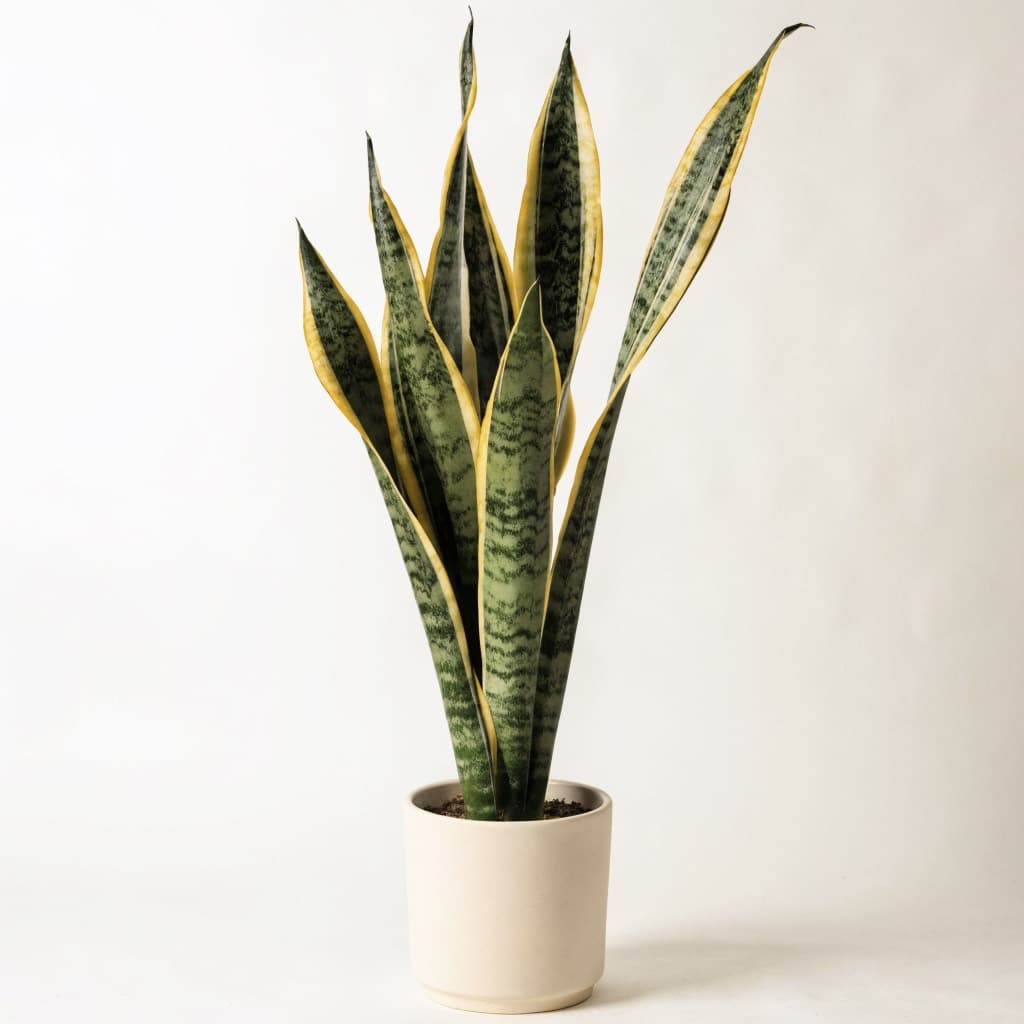
The early sign is not webbing but stippling: a fine pale speckling across the leaf where cells have been drained, easiest to see holding the leaf up to a window. By the time you can see webs between stems the population is large. Plants with thin leaves suffer first — calathea, fiddle leaf fig, ferns and alocasia — while thick-leaved plants like the snake plant and ZZ plant are rarely bothered.
Washing the plant is genuinely effective against mites in a way it is not against scale. A shower or a hose-down of both leaf surfaces every few days knocks the population back physically, and raising local humidity by grouping plants makes the environment less ideal for them.
Treatment that works, and the timing that makes it work
Most home treatments fail on timing rather than on product. Sprays kill adults and nymphs but not all eggs, so a single application clears the plant visually and the infestation returns ten days later. Treat on day one, day seven and day fourteen at minimum, and inspect weekly for a month after that.
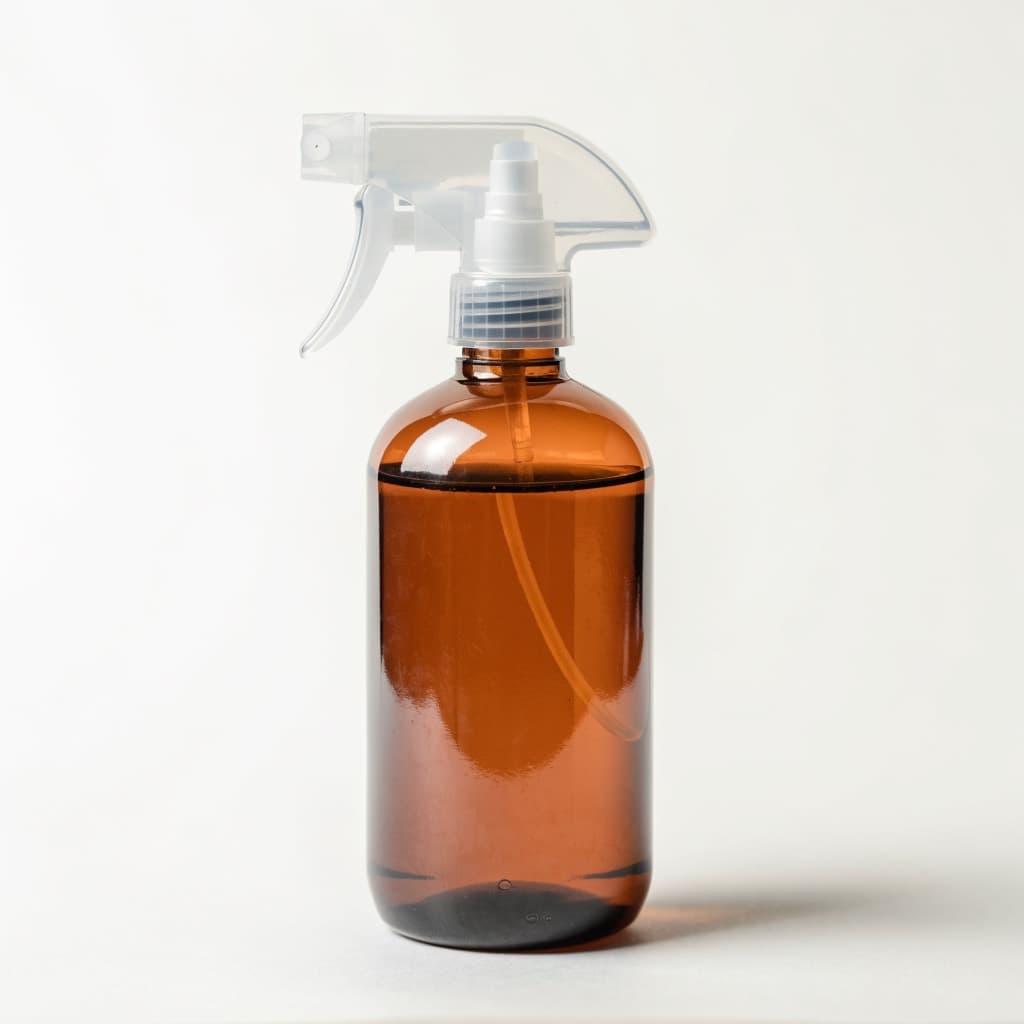
Neem oil is the general-purpose option and works on all of the above except fungus gnats, partly as a smothering agent and partly as a feeding and growth disruptor. In the UAE the practical constraint is heat: oil on a leaf in direct sun scorches it. Spray at dusk or after dark, never on a balcony plant in the middle of the day, and never on a plant that is already wilting from drought. Our neem oil spray is ready-mixed for this, and the whole kit sits in care essentials.
- Mealybug: dab each visible insect with a cotton bud dipped in rubbing alcohol, then spray the whole plant with neem. Repeat weekly for three weeks. Check the top centimetre of soil — root mealybug hides there.
- Spider mite: rinse both leaf surfaces hard, then treat with neem or insecticidal soap every five to seven days for three cycles. Raise humidity around the plant.
- Whitefly: yellow sticky traps to catch adults, plus neem or soap under the leaves where the nymphs sit. Outdoors, a strong hose jet each morning helps.
- Scale: scrape the bumps off with a fingernail or an old toothbrush first — a spray alone will not penetrate the shell — then neem weekly for three weeks.
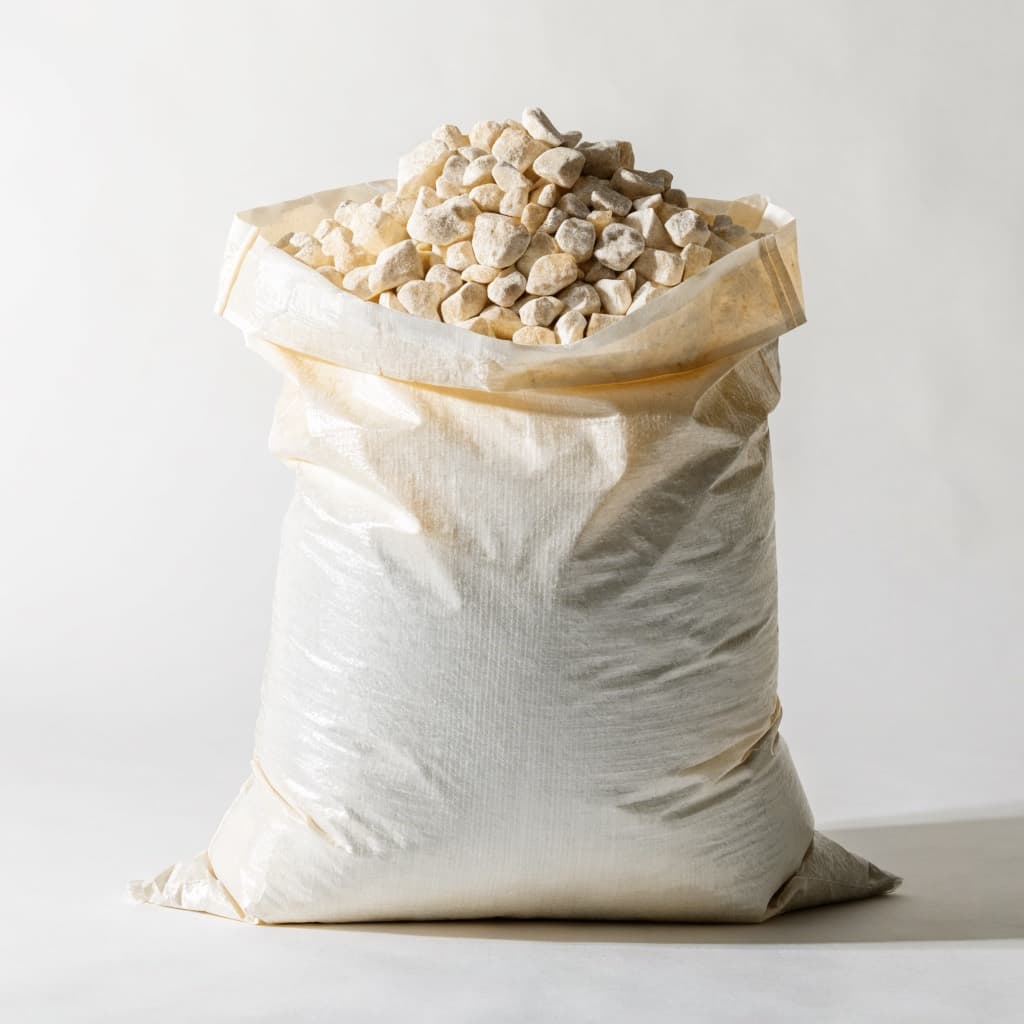
- Fungus gnats: let the soil dry out properly, top-dress with a centimetre of gravel or coarse sand so the adults cannot lay, and use sticky traps. No insecticide needed in most cases.
The quarantine rule that prevents most of this
Nearly every indoor infestation arrives on a new plant. Nurseries and importers grow plants shoulder to shoulder, and a few mealybugs on one plant in a shipment is normal. The single most useful habit is a two-week quarantine: keep every new plant apart from your collection, in a different room or at the other end of the balcony, and inspect it twice during that fortnight before it joins the group.
Inspect the underside of the leaves, the leaf joints and the top of the soil. If you find anything, treat while the plant is still isolated — one plant is a twenty-minute job, six plants in a shared corner is a month. The same applies to plants brought back in from the balcony in autumn, which is when many UAE households move their collection around.
Every plant we ship is checked before it is packed, and if something arrives with a problem the alive-on-arrival guarantee covers it — send a photo on WhatsApp rather than trying to rescue it quietly.
What not to bother with
Dish soap mixed at kitchen strength strips leaf cuticle and does more damage than the pest on thin-leaved plants; if you use a soap, use a horticultural insecticidal soap at the labelled dilution. Cinnamon, garlic sprays and coffee grounds do not control any of the five pests above in any reliable way. Systemic granules work but are the wrong tool for a plant on a kitchen counter or anything in the edible garden.
Repotting a badly infested plant into fresh soil helps only with root mealybug and fungus gnats. For everything else the pest is on the plant, not in the pot, and repotting adds a stress the plant does not need while it is being treated.
A little more clarity
Common questions.
What is the white cottony stuff on my plant stems?
That is mealybug — a soft-bodied sap-sucking insect that coats itself in a white waxy fluff and shelters in leaf joints and under leaves. It spreads slowly by crawling, so it usually stays on one plant for a while before moving. Alcohol on a cotton bud kills the ones you can see; a neem spray on a weekly cycle catches the rest as they hatch.
Can I use neem oil on plants in the UAE summer heat?
Yes, but only after sunset and never on a plant in direct sun. Oil films on a leaf in 40°C sun cause scorch marks that look worse than the pest damage. Spray in the evening, let it work overnight, and skip treatment entirely on a plant that is already wilting — rehydrate it first, treat the next day.
How long does it take to get rid of spider mites?
Three weeks of consistent treatment for a normal infestation, on a five to seven day cycle so each round catches the eggs that hatched since the last one. A plant that looks clean after a single spray is not clean. Badly infested thin-leaved plants are often better replaced than saved, because the damaged leaves never recover their colour.
Do plants delivered in the UAE come with pests?
Occasionally, and it is not a sign of a bad seller — plants are grown in dense nursery conditions where insects move between them. Treat every new plant as a possible carrier, quarantine it for two weeks away from your other plants, and inspect leaf undersides and joints twice during that period before you move it in.