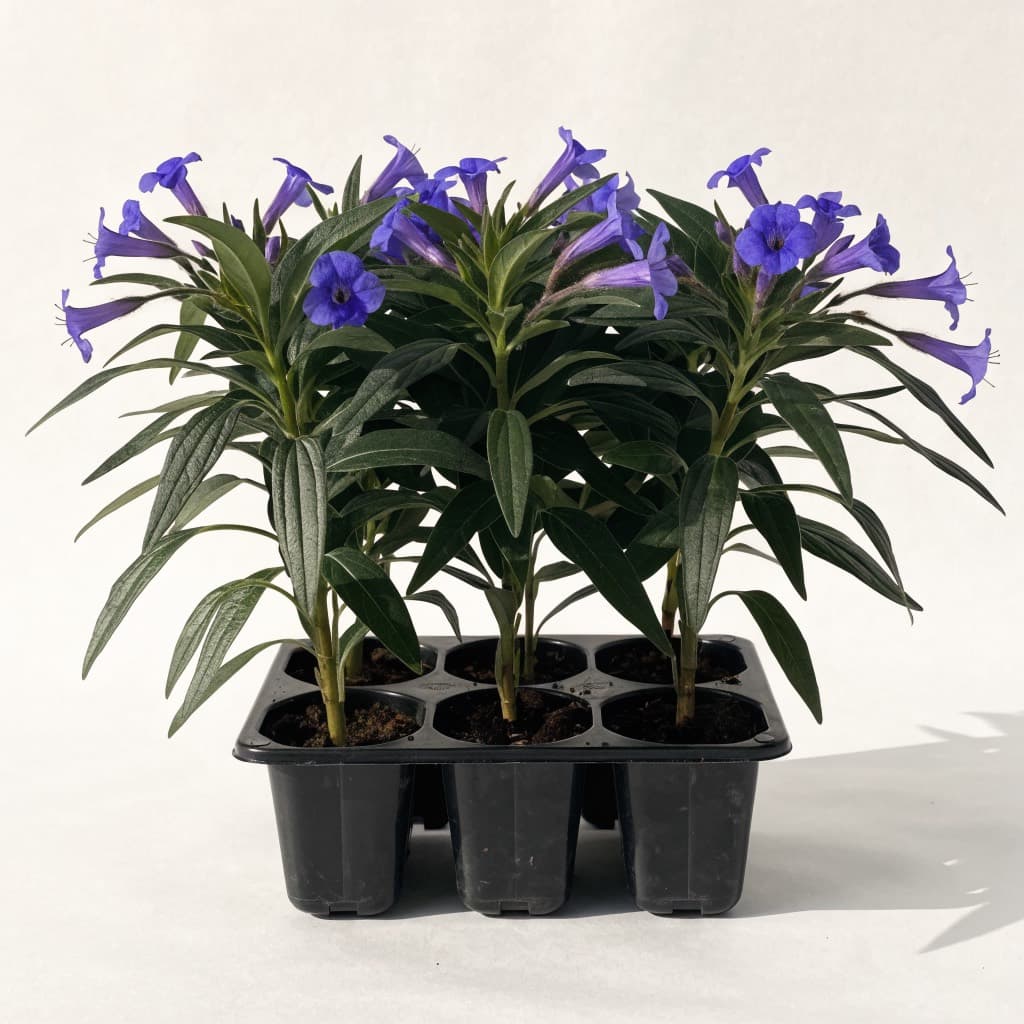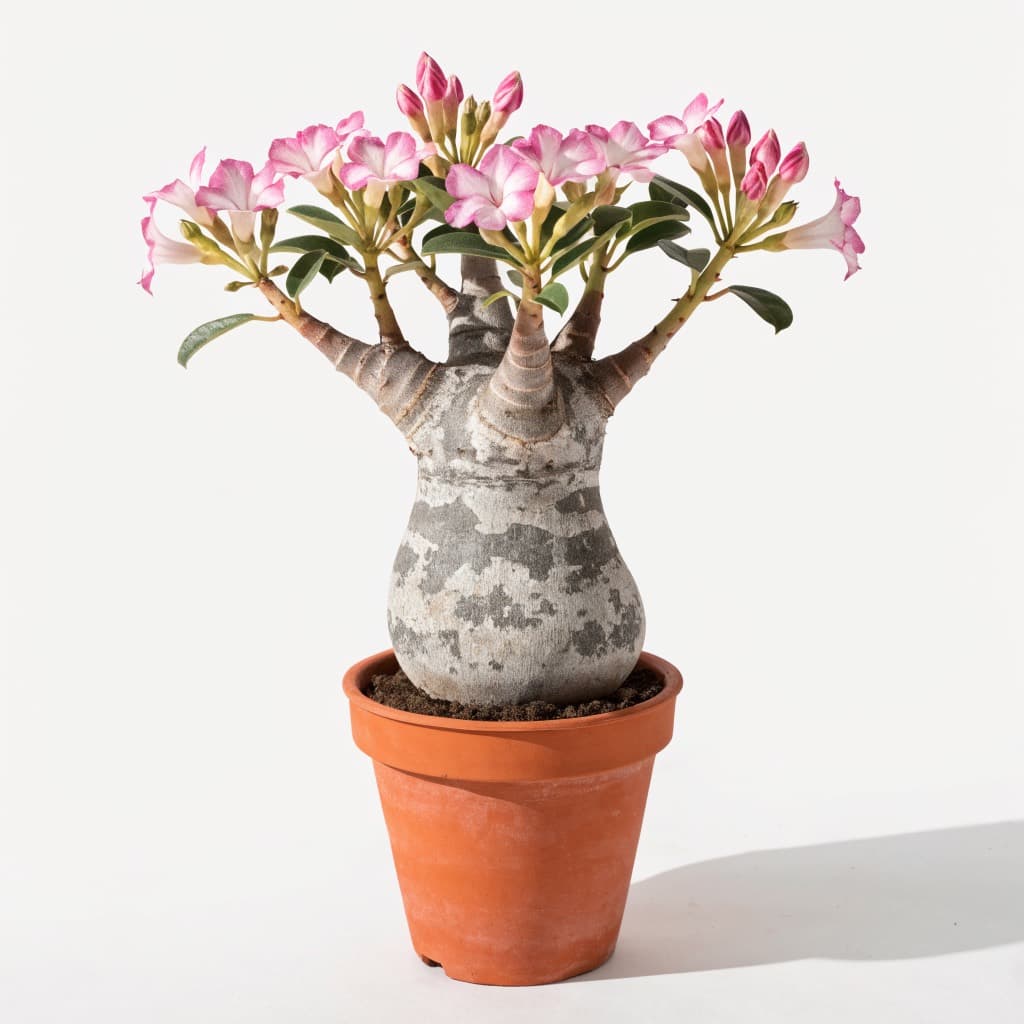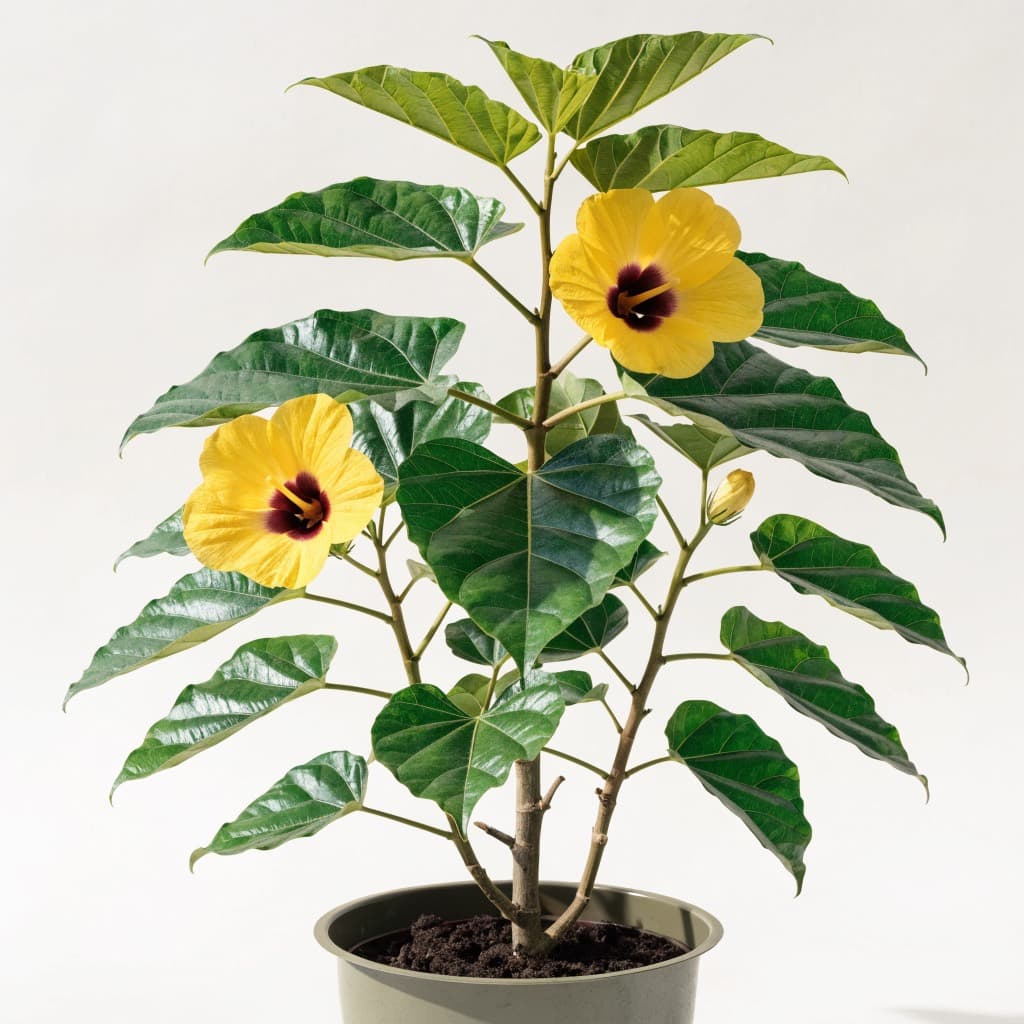
Salt kills UAE coastal plantings three ways: airborne spray on the leaves, salinity in sandy soil, and dissolved salts in brackish or TSE irrigation. Clerodendrum, sea hibiscus, sesuvium, conocarpus and peltophorum handle at least two of the three. Ficus hedging, ornamental hibiscus and soft-leaved foliage handle none of them.
Three different salt problems
Airborne salt spray burns leaves directly, and it reaches further inland than most people expect on a windy Gulf coast. Soil salinity in sand stresses roots and blocks water uptake. Dissolved salt in brackish well water or treated sewage effluent accumulates in the root zone every time the surface evaporates.
A plant can tolerate one of these and fail on another, which is why generic 'salt-tolerant' lists mislead. Work out which of the three you actually have before choosing plants.
What works, by layer
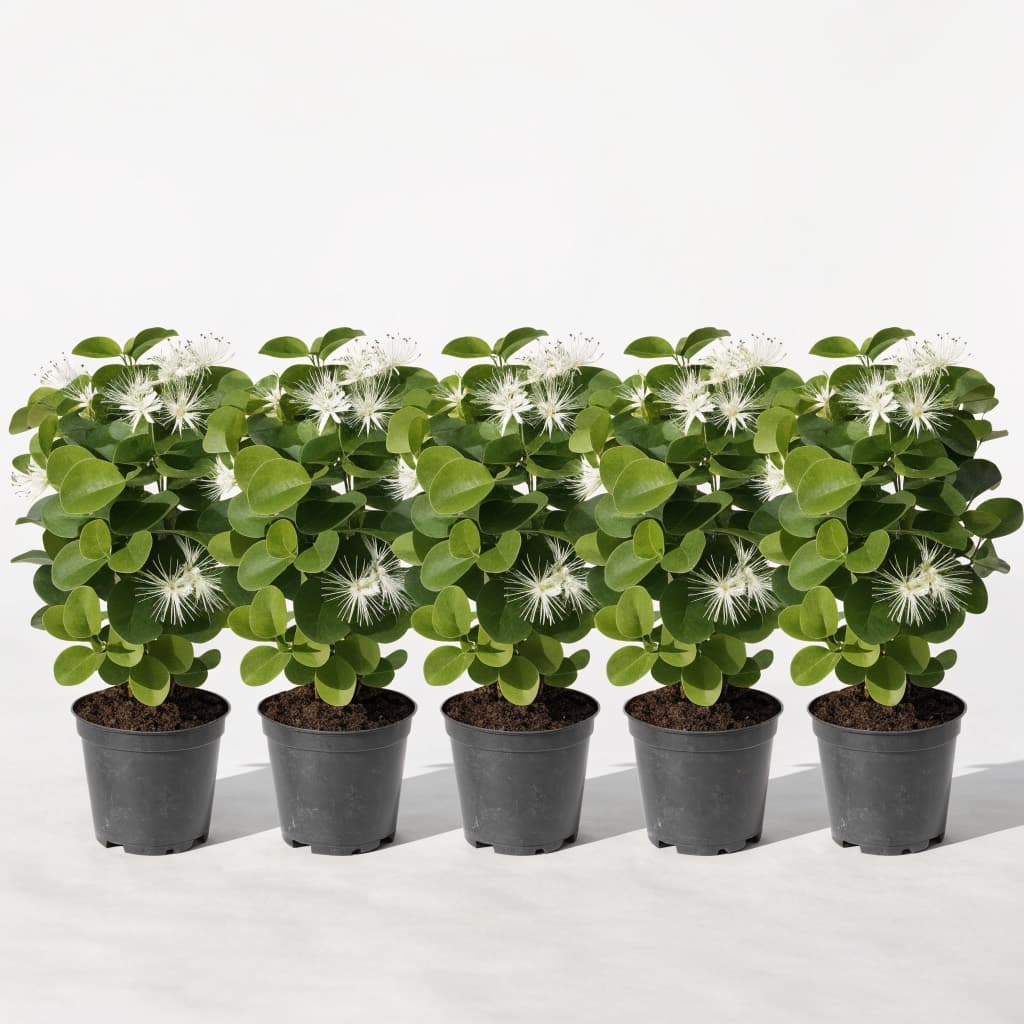
Hedging and screening: clerodendrum inerme is the standard answer for Gulf beachfront plots — glossy, scented, and it holds under both salt spray and TSE irrigation.
Height, fast: sea hibiscus reaches 4–6m quickly, takes salt spray, and gives heart-shaped leaves and flowers that shift from yellow to bronze-red within a single day.
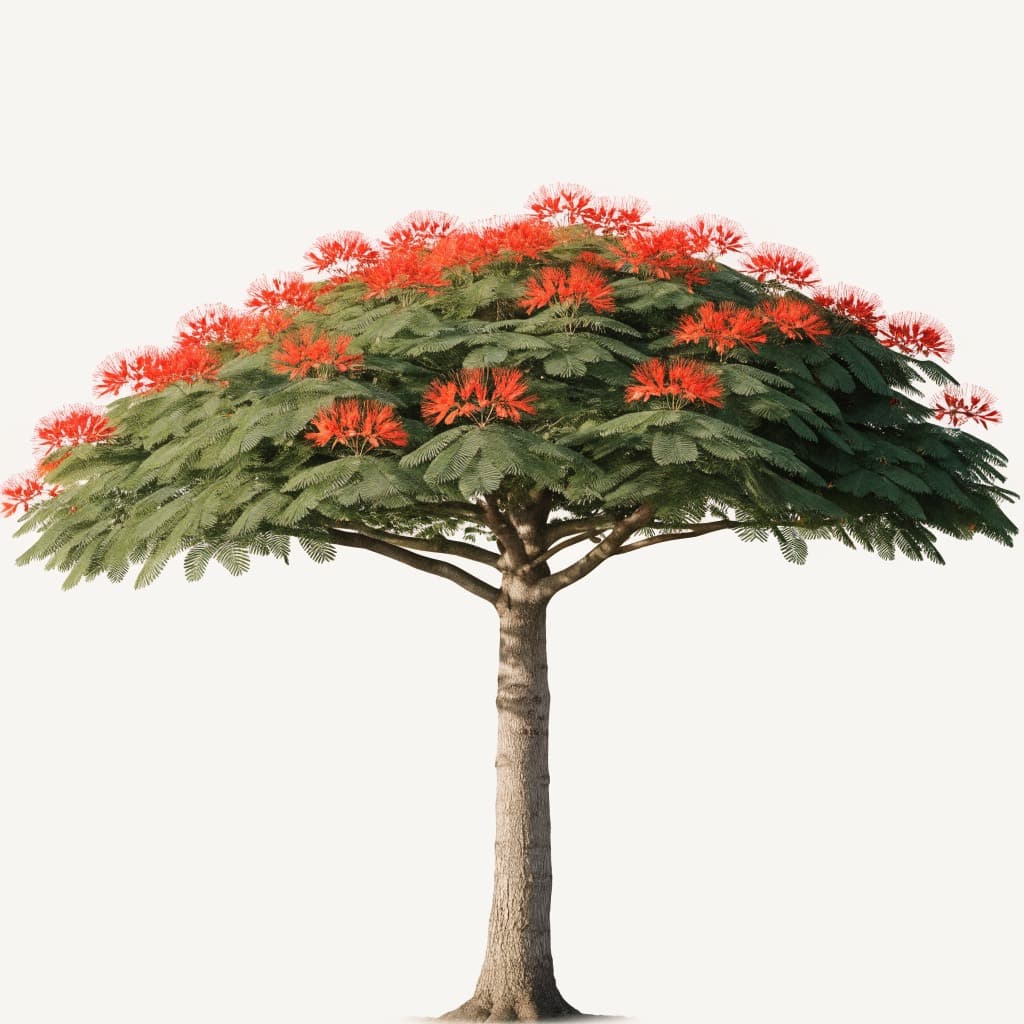
Trees: peltophorum for flowering shade, damas or conocarpus for the toughest possible evergreen. Both are what the UAE plants along its coastal highways for exactly this reason.
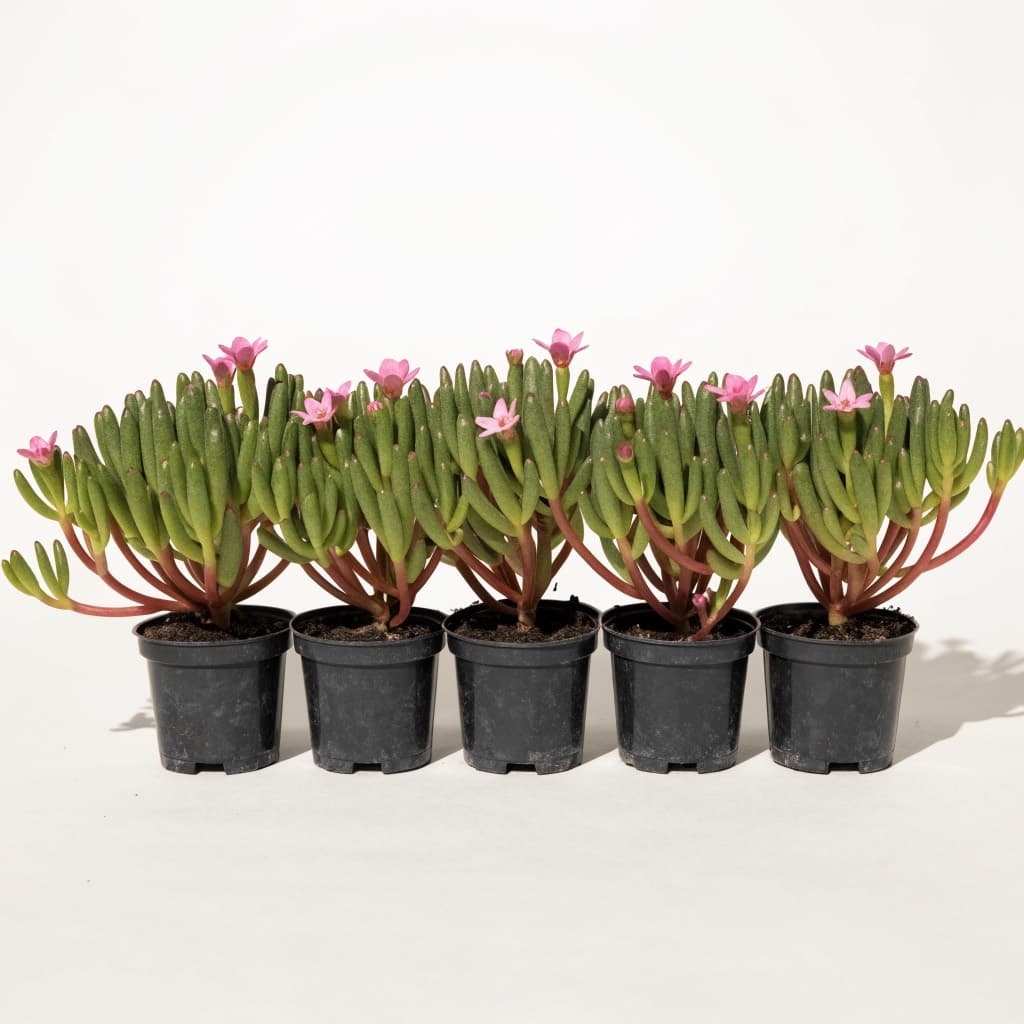
Ground: sesuvium is a native UAE beach plant that grows in salt and sand on effectively no fresh water. Ipomoea runs across loose sand and holds banks.
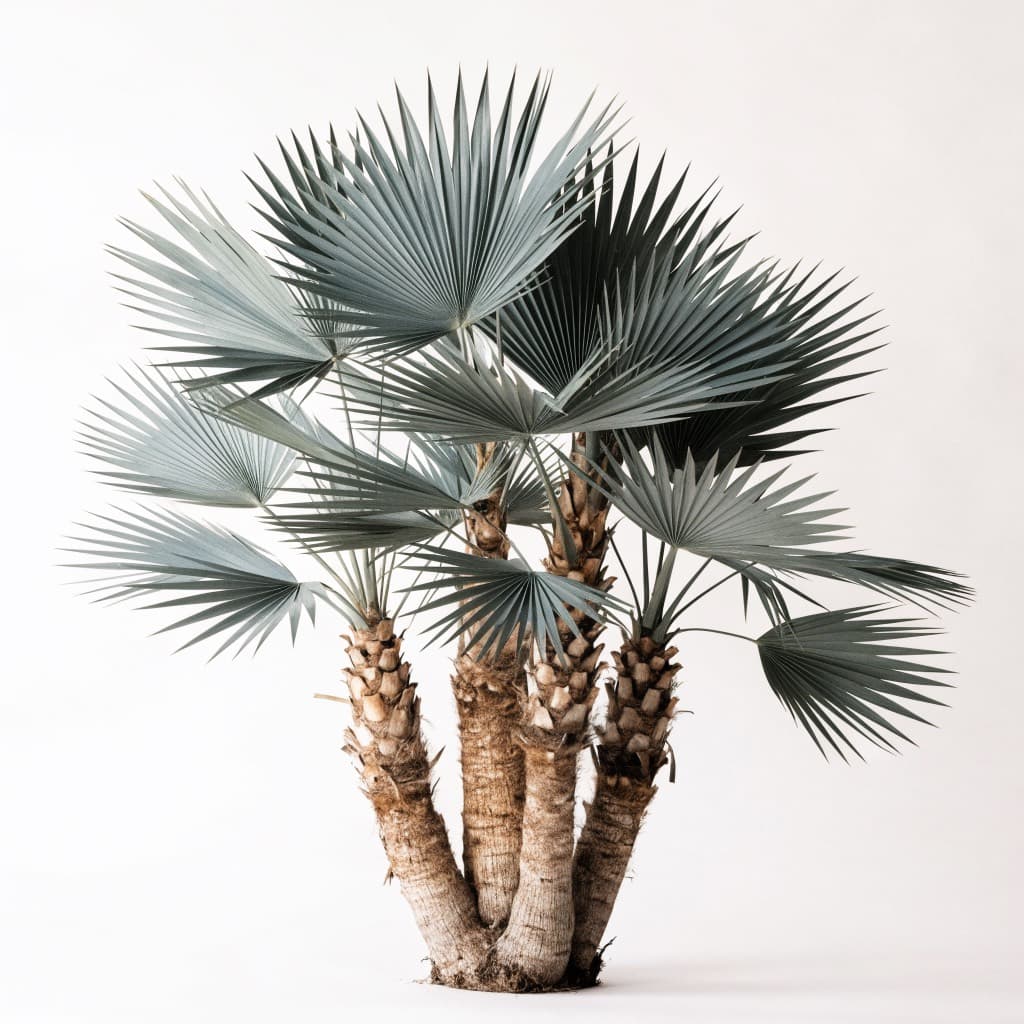
Palms: Chamaerops humilis is the most salt- and drought-tolerant palm we stock, and it stays at 2–3m so it suits a courtyard or pool surround.
What always fails, and why people keep trying it
Ficus nitida hedging is the UAE default and the wrong plant within salt-spray range. It browns from the leaf edges inward and never fully recovers, and because it is the standard hedge people replant it rather than changing species.
Ornamental hibiscus (Hibiscus rosa-sinensis) is often planted on coastal plots because sea hibiscus and bedding hibiscus share a name. They are different plants with very different salt tolerance.
Soft, thin-leaved foliage — calathea, ferns, most houseplants moved onto a terrace — burns within days of salt exposure, however sheltered the terrace looks.
Managing TSE and brackish irrigation
TSE and well water are perfectly usable for a coastal garden. The maintenance habit that makes them work is periodic leaching: once a month, irrigate deeply with fresh water so accumulated salts move below the root zone instead of concentrating in it.
A white crust on the soil surface means you have left it too long. Browning that starts at leaf tips and edges and works inward is the classic salt signature — distinct from overwatering, which yellows the oldest leaves first and softens stems.
Gypsum is often recommended, but it works on sodic clay by displacing sodium. Most UAE coastal soil is sand, so leaching with fresh water is the far bigger lever.
A little more clarity
Common questions.
How far inland does salt spray affect plants in the UAE?
It depends on prevailing wind and whether anything blocks it, but exposed plots within a few hundred metres of the Gulf routinely show salt burn on sensitive species. A solid boundary wall or a first line of tolerant planting reduces it substantially for everything behind.
Can I grow a lawn on a UAE coastal plot?
Salt-tolerant turf grasses such as paspalum are used on Gulf coastal sites and golf courses, and they tolerate brackish irrigation. The water requirement is still the highest of any surface you can install, so it is worth deciding deliberately rather than by default.
Which plant gives fast privacy on a beachfront plot in the UAE?
Sea hibiscus for height above 3 metres, clerodendrum for a conventional 2-metre hedge. Both tolerate salt spray. Plant in October, water daily for the first month, and expect a closed screen within one growing season.