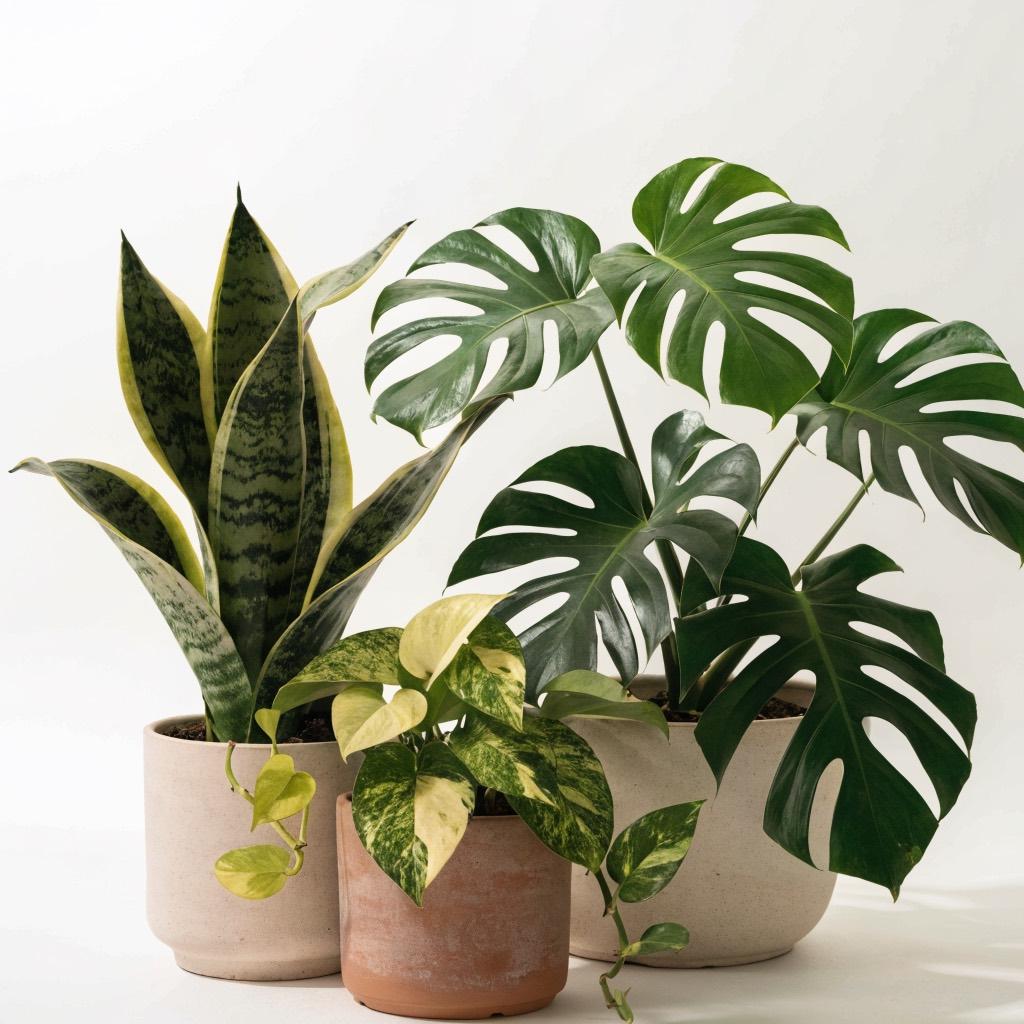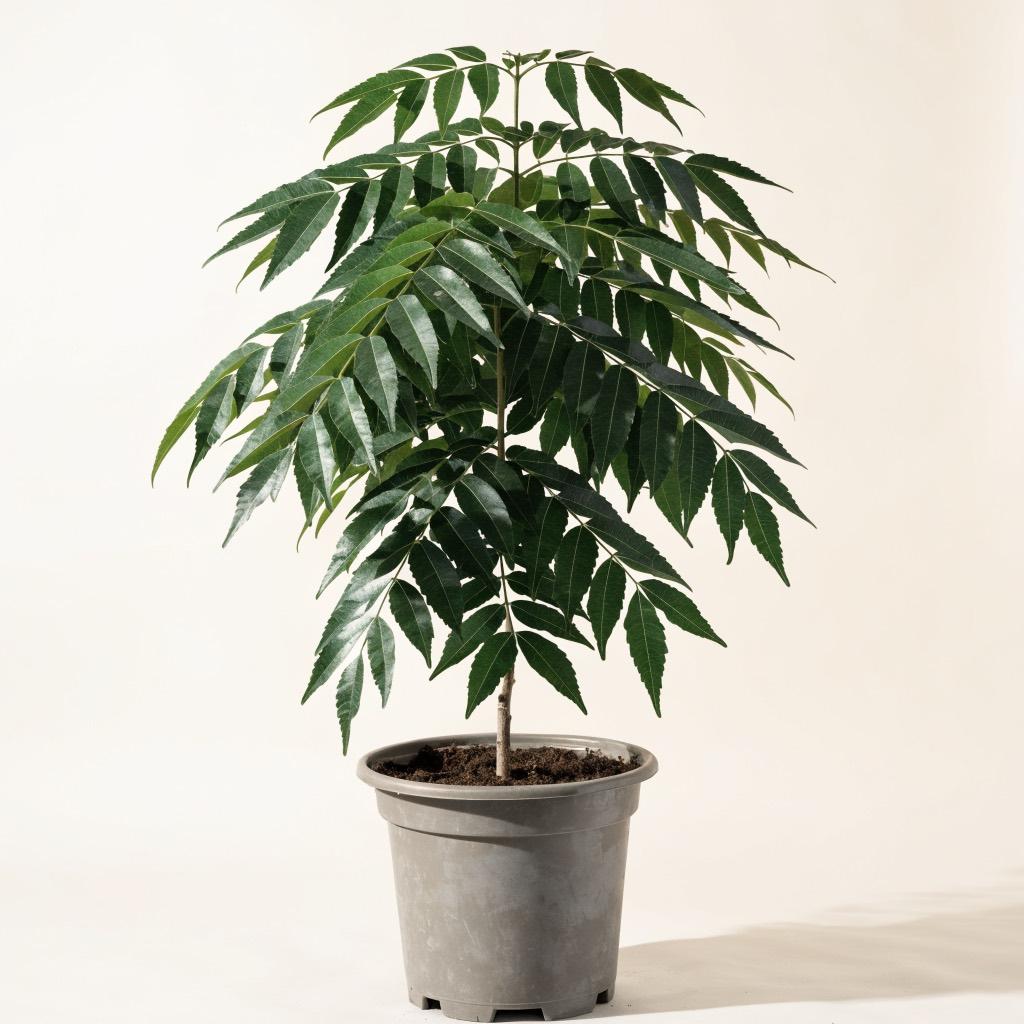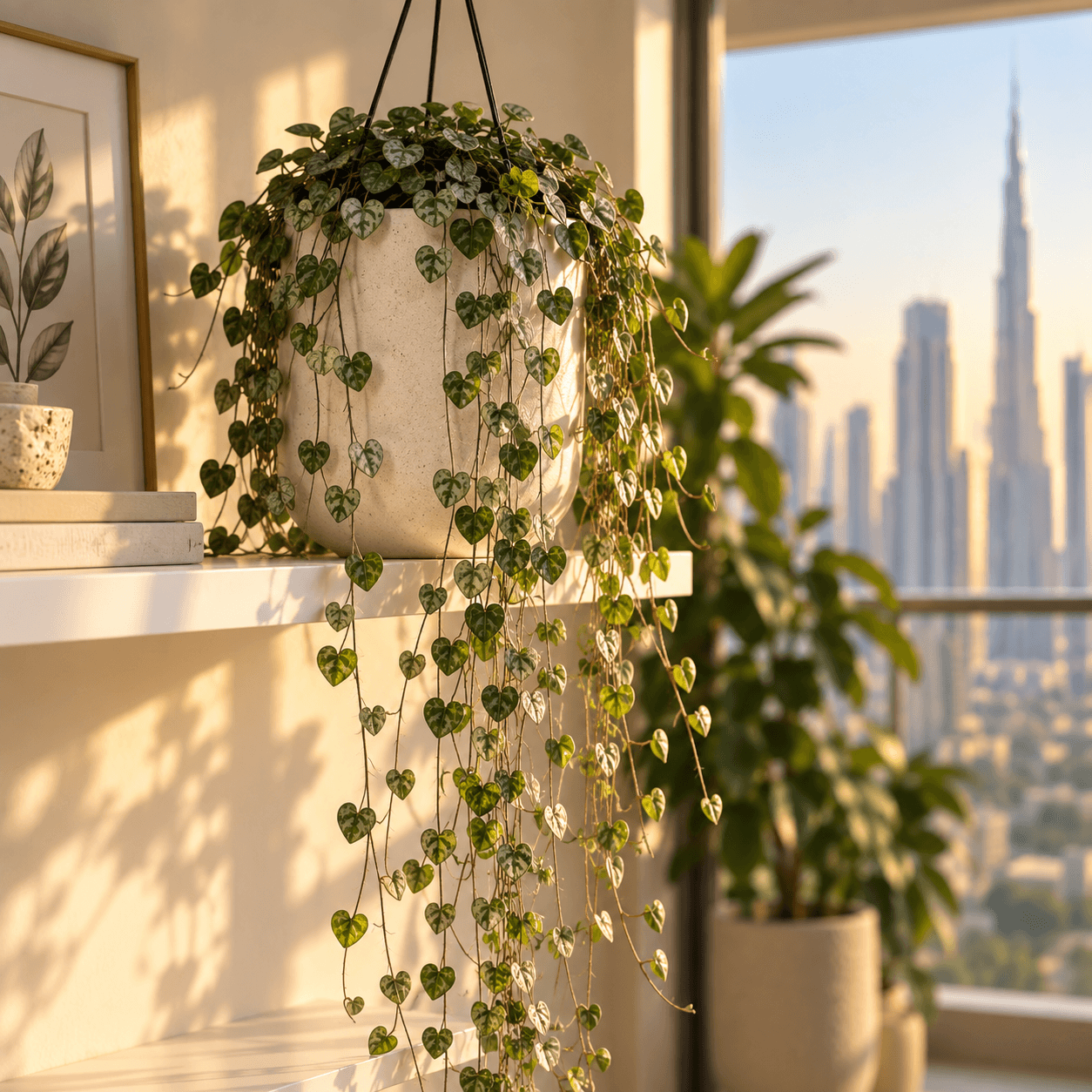
Three trailing plants cope reliably in a Dubai apartment: golden pothos for low to medium light, string of hearts for a bright window, and spider plant, the one with an ASPCA non-toxic listing, for a home with pets. Hang them low and within about a metre of the glass, out of the ceiling AC stream, fix any ceiling hook into concrete rather than a gypsum false ceiling, and water by taking the pot down to the sink.
The three trailing plants worth a hook in Dubai
Plenty of trailing plants look good in a shop. Three cope with what a Dubai apartment actually offers: 22 to 24°C air-conditioned air at 30 to 40% humidity all year, window light filtered through tinted glass, and tap water that leaves salts in the soil.
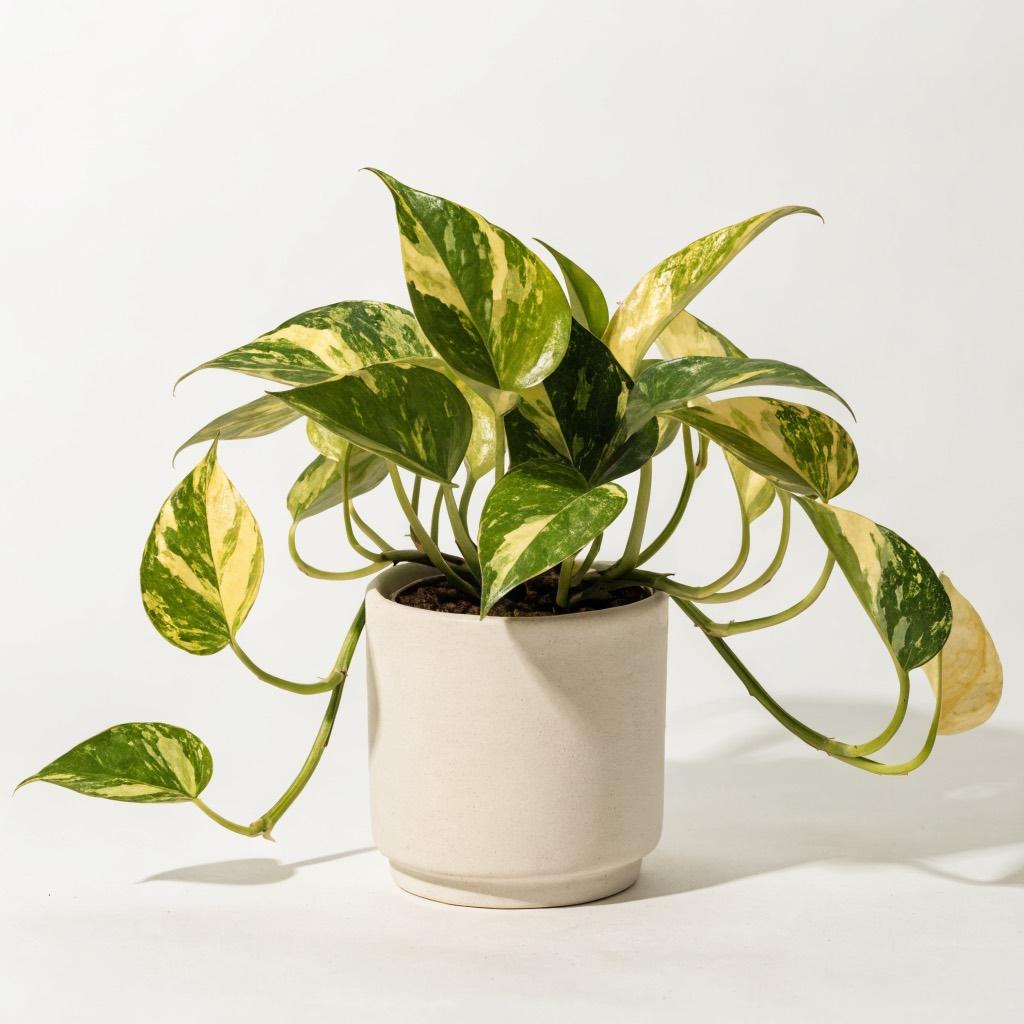
- Golden Pothos, AED 55. The toughest. It takes low to bright indirect light, tolerates AC air well and arrives in a 12cm pot with roughly 30 to 45cm of vine. Water when the top 2 to 3cm of soil is dry, usually every 7 to 14 days in an AC room. Toxic to cats and dogs.
- String of Hearts, AED 59. The best-looking trailer, and the best in dry air, because it is semi-succulent and stores water in its leaves and tubers. The catch is light: it needs a bright window with two to three hours of gentle direct sun. It arrives with roughly 40 to 60cm of vine. Water only when the soil is completely dry, every 10 to 14 days in AC.
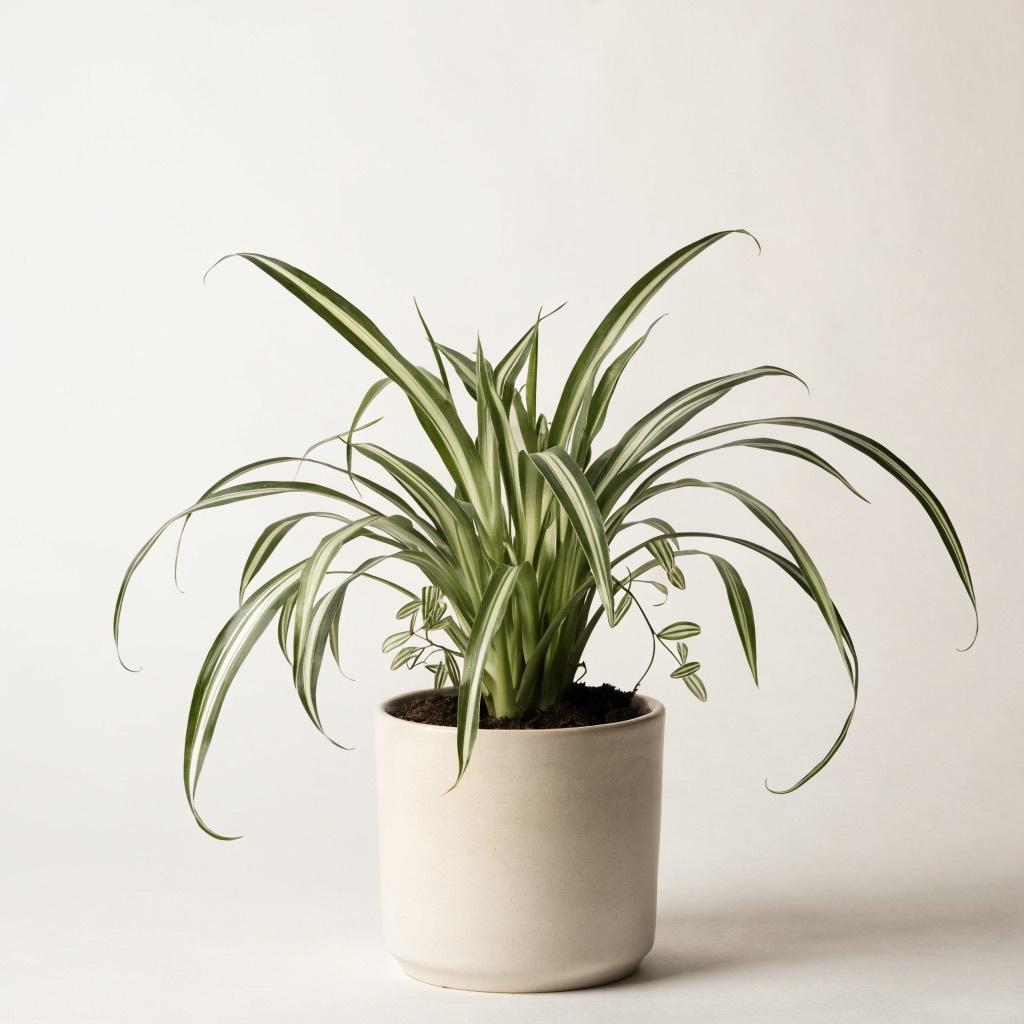
- Spider Plant, AED 49. Not a true trailer: it arches, then hangs its baby plantlets on long stems, which is what makes it good in a hanging basket. Bright indirect light, water every 7 to 10 days in AC, and listed by the ASPCA as non-toxic to cats and dogs.
Light: why a hanging pot gets less than you think
Hanging a plant usually moves it away from the light, not towards it. In a tower with balconies, the slab of the balcony above shades the top of each window, and tower glass is often tinted to keep heat out, which cuts light as well. A pot hung from the ceiling near the window sits above the brightest band of light; the same plant on a shelf at sill height gets more.
So hang low and close: the base of the pot at or below the top of the window frame, and within about a metre of the glass. The three plants sort themselves by how close they need to be. String of hearts wants to be nearest, at an east- or west-facing window; our String of Hearts care guide has the detail, including the July and August afternoons when sun through hot glass can scorch it. Spider plant manages a little further back. Pothos is the only one of the three for a north-facing room or a spot a few metres from the window, and our golden pothos care guide explains why its leaves turn plainer green in dim light.
Hanging pots also have a light problem of their own: the top. The vines hang down into the light while the crown sits under the pot rim and the ceiling, and over months the top goes bare. Every few months, lift a few long vines back over the soil and pin them flat with a bent paper clip. Pothos and string of hearts both root where a leaf node touches the soil, and the top fills in again.
AC: keep the pot out of the ceiling stream
Many Dubai apartments are cooled from the ceiling, through cassette units or the long slot diffusers of ducted and district-cooling systems. A plant hanging from the ceiling is often right in that stream of cold, dry air, which is the worst position in the room. Our answer on plants next to AC vents recommends keeping plants at least a metre out of the airflow; for a hanging pot, check where the diffuser blows before you choose the hook position.
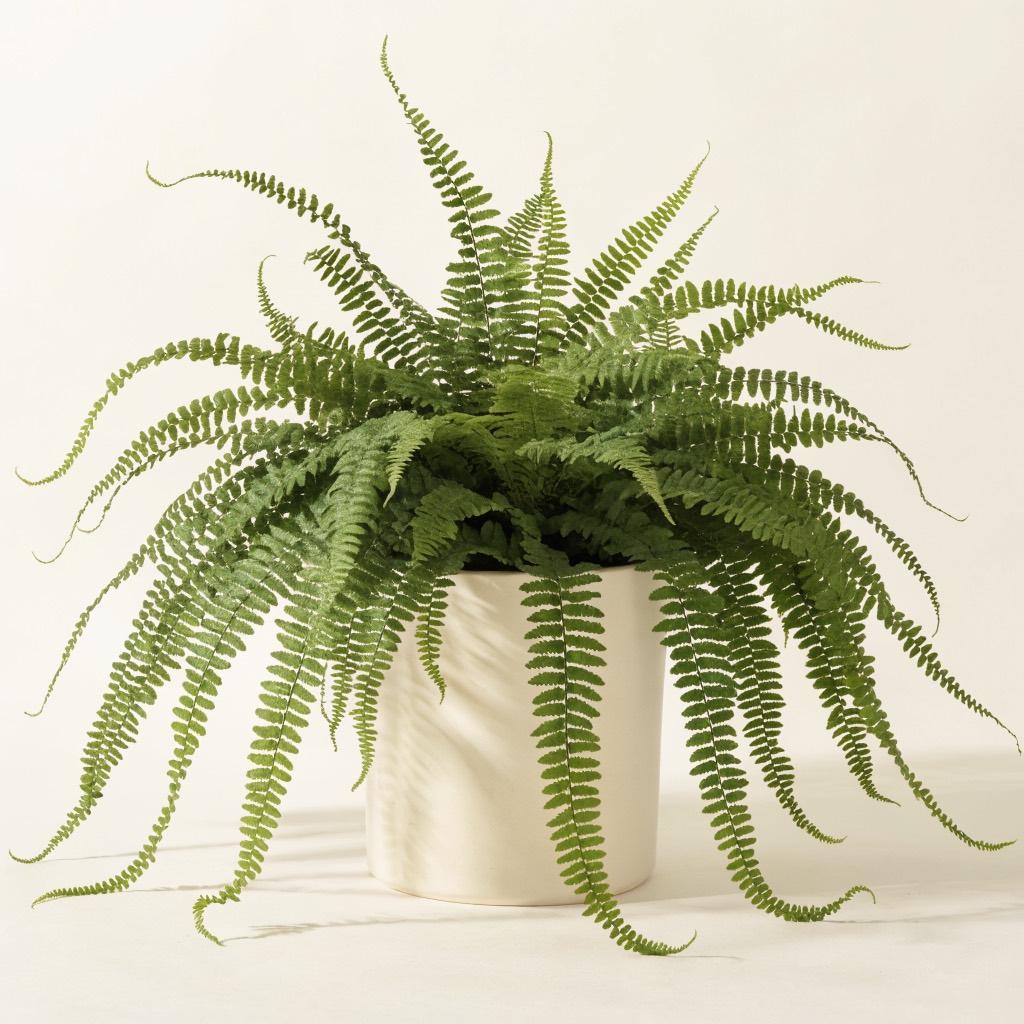
Of the three, string of hearts copes best with dry air, pothos is close behind, and the spider plant is the one that shows it, with brown leaf tips. Boston fern, the classic hanging fern, is the plant we would steer you away from in a living room here. It is on the ASPCA non-toxic list and we sell it, but at UAE indoor humidity it browns out within a month anywhere except a bathroom. If you want one, our Boston fern care guide explains how to keep it going in a bathroom with a window.
Hanging safely in a rented flat
Before you drill, read the tenancy contract. Dubai's tenancy law, Law No. 26 of 2007, expects a tenant to hand the property back in the condition they received it, ordinary wear and tear aside, and not to make alterations without the landlord's permission. A written yes from the landlord or building management costs nothing and avoids an argument over the deposit.
Then check what you are drilling into. Many Dubai apartments have a gypsum false ceiling hiding ducts and pipes, with the concrete slab some distance above. Plasterboard on its own is not made to carry a wet hanging pot. The fixing has to reach the slab or the ceiling's metal framing, and it has to miss the ducts and cables, which makes it a job for a handyman rather than a guess.
Weigh the planted pot on a bathroom scale straight after watering, and choose a hook and fixing rated for at least twice that. Adhesive hooks are made for walls, not for hanging a weight from a ceiling. If drilling is not an option, trailing plants do not actually need to hang:
- The top of a bookcase or a high shelf near a window, with the vines cascading down the side.
- A floor-standing plant hanger or stand, which needs no fixing at all.
- A wall bracket beside the window, fixed into the blockwork: one small hole is far easier to fill and paint at move-out than a ceiling.
- A tension rod between the window reveals, for a light pot only.
Hanging plants on the balcony
Outside, building rules are stricter. Towers commonly ban anything hung on the outside of the balustrade, because a pot that falls from height is a safety matter, and water draining onto the balcony below is usually restricted too. Our answer on balcony plant rules in Dubai covers what is normally allowed.
The season matters as much as the rules. From October to April, a shaded or bright-shaded spot on the balcony suits all three plants. From June to September, bring string of hearts indoors; pothos and spider plant only manage a balcony summer in full shade with frequent watering, and a small hanging pot surrounded by hot air on all sides dries out fast.
Watering a hanging pot in dry AC air
The easiest way to water a hanging plant is to take it down. Carry it to the sink or shower, water until it runs out of the drainage hole, leave it to drip for 15 to 20 minutes and hang it back up. It takes two minutes and solves the two problems of watering in place: water on the floor, and water sitting in the bottom of the planter.
That second problem is the real risk. A hanging planter without a drainage hole, or one with a sealed built-in saucer, holds water around the roots, and string of hearts in particular rots from the tubers when it sits wet. Keep the plant in its plastic nursery pot inside a decorative hanging planter, so you can lift the inner pot out to water and tip away anything left in the bottom. Our plants arrive in 12cm nursery pots, so look for a hanging planter at least 13 to 14cm across inside.
To judge when to water, lift the pot. A dry pot is noticeably lighter than a freshly watered one, and after a few weeks you will feel the difference by hand. Warm air collects near the ceiling, so a hanging pot can dry faster than the same pot on a shelf; do not assume the shelf schedule carries over.
Dubai tap water is desalinated and hard, and it leaves salts in the soil. Since the pot is coming down anyway, run water through it for a full minute once a month to flush them out. Spider plants show salt and dry air first, as brown tips; our spider plant care guide covers the causes and the fix.
Hanging plants and pets
Hanging a toxic plant out of reach helps less than people hope. Cats climb, vines grow down to sofa height in a season or two, and dropped leaves land on the floor. Choose on toxicity instead. Per the ASPCA's plant list:
- Spider plant: non-toxic to cats and dogs.
- Golden pothos: toxic to cats and dogs. Its sap contains insoluble calcium oxalate crystals that burn the mouth.
- String of hearts: not on the ASPCA list in either direction. It carries our pet-safe badge, but we cannot point you to an ASPCA listing for it, so for a cat that chews plants the spider plant is the safer choice.
- Other trailers you will see in Dubai shops, which we do not stock: heartleaf philodendron, tradescantia (inch plant) and English ivy are listed as toxic; hoya and burro's tail are listed as non-toxic.
What arrives, and the first few weeks
Each plant comes in its 12cm nursery pot with a care card, and the arrival sizes above are our estimates; the product page shows the current range. The photos on our site are AI-generated, so before dispatch we send you a real WhatsApp photo of the actual plant. All three together come to AED 163, just under our AED 300 free-delivery threshold, so on their own they carry a AED 30 delivery fee. Delivery is same-day in Dubai on orders placed before 1pm, next-day to Abu Dhabi and Sharjah.
Do not repot straight away. Give the plant two to four weeks in its nursery pot, watch the light where it will live for a few days before you commit to a hook, and water only when the soil or the weight of the pot tells you to. If it arrives damaged, send a photo within 24 hours of delivery and we replace it free. If it struggles in the first 14 days despite following the care card, message us on WhatsApp on +971 50 136 8558 and we replace it once.
A little more clarity
Common questions.
Can I hang a plant from a gypsum false ceiling in a Dubai flat?
Not from the plasterboard alone. A wet hanging pot is a constant load that gypsum board is not made to carry. The fixing has to reach the concrete slab above or the ceiling's metal framing, with a hook rated for at least twice the watered weight, and in a rented flat you need the landlord's permission first.
How do I water a hanging plant without water dripping on the floor?
Take it down. Water it in the sink or shower until water runs from the drainage hole, let it drip for 15 to 20 minutes, then hang it back up. Keeping the plant in its nursery pot inside the hanging planter makes this a two-minute job and stops water collecting in the bottom.
Why is my string of hearts bare at the top of the pot?
The crown of a hanging plant sits in the shadow of the pot rim and the ceiling while the vines hang down into the light, so the top thins over time. Coil a few long vines back over the soil and pin them flat; they root at the leaf nodes and fill the top in. Hanging the pot lower and closer to the window helps too.
Which trailing plants does the ASPCA list as non-toxic to cats?
Of the common trailing and hanging plants, the ASPCA lists spider plant, hoya and burro's tail as non-toxic to cats and dogs. Golden pothos, heartleaf philodendron, tradescantia and English ivy are on its toxic list. String of hearts is not listed either way.
Should a hanging planter have a drainage hole?
Yes, or it should hold a nursery pot that has one. Water that collects in a sealed hanging planter sits around the roots, and in dry AC air the surface can look dry long before the bottom is. String of hearts is the least forgiving, because its tubers rot when they stay wet.