To plant a tree in UAE sandy soil, dig a hole two to three times as wide as the rootball but no deeper. Test that it drains. Set the tree with the top of the rootball slightly above ground level, backfill mostly with the native sand, and build a watering basin. Put drip emitters directly over the rootball. Water deeply every day for the first week, then taper off over the month.
Before you dig
Get two decisions right first, because no planting technique fixes them later. The first is timing. Plant in the cool season, which our best time to plant trees and shrubs in the UAE explains in full, so the roots grow before the first summer. The second is position. Plant by the tree's mature spread, not its nursery size, using the distances in how far from a wall to plant a tree.
Before digging, check for irrigation pipes, cable runs and any drainage lines, especially in a villa where the landscaping went in before you moved in. Water the tree in its bag the evening before, so the rootball is moist and holds together.
Dig wide, not deep
Dig the hole two to three times the width of the rootball and exactly as deep as the rootball is tall. Most new roots grow outwards through the top layer of soil, so a wide hole of loosened sand helps them spread. A deep hole does the opposite. Soil backfilled under the rootball settles, the tree sinks, and its trunk ends up buried, which is a slow way to kill it. Rough up the sides of the hole with the spade so roots do not meet a smooth, compacted wall.
In some plots you will hit a hard, pale, cemented layer under the sand, often called gatch or caprock. Compacted builder's fill in new communities causes similar trouble. Roots and water cannot get through it, so either break through it with a bar or choose another spot.
Test the drainage, and flush the hole
Fill the empty hole with water and watch it. In clean sand it should drain within an hour or two. If water is still standing hours later, the tree will sit in a wet pit every time the irrigation runs, and roots rot in soggy ground as quickly as they dry out in sand. Fix it before you plant by breaking up the layer underneath, or move the tree.
Filling the hole a second time does another job too. In saline ground, it helps wash surface salts down and away from where the new roots will grow.
Set the tree at the right height
Cut the nursery bag away rather than pulling the tree out by its trunk, which can tear the roots. Look at the outside of the rootball. If thick roots circle round it, tease them outwards, or cut through the worst of them, so they grow into the surrounding soil instead of strangling the tree.
Find the root flare, the point where the trunk widens into the roots. It should sit at, or a couple of centimetres above, the surrounding ground. Sand settles after watering, so a tree set level often ends up slightly low. It is better to start a touch high. Never pile soil or mulch up against the trunk.
Backfill: mostly native sand
The instinct is to fill the hole with rich imported soil. Keep the backfill mostly the sand you dug out, mixed with some organic compost or sweet soil, roughly up to a third, to help it hold water. A hole filled entirely with rich soil acts like a pot in the ground. Roots circle inside it rather than venturing into the sand, and pure organic matter shrinks as it decomposes, so the tree sinks.
Firm the backfill with water rather than your boots. Fill halfway, flood the hole, let it drain, then finish filling and water again. This settles the sand around the roots and removes air pockets without compacting it. Do not put granular fertiliser in the planting hole. Fresh roots are easily scorched, so wait four to six weeks, then feed on the surface with a slow-release product such as our Palm & Tree Fertilizer.
Basin, drip and mulch
Build a low ring of soil just outside the edge of the rootball to make a basin that holds water where the roots are. In sand, water drains mostly straight down rather than spreading sideways, so a drip emitter half a metre from the trunk may never wet the rootball. For the first months, put at least two emitters directly over the rootball. As the tree establishes, add emitters further out and widen the basin so roots follow the water outwards.
Finish with 5 to 8cm of organic mulch over the basin, kept a hand's width off the trunk. It keeps the root zone cooler and slows evaporation, and in October heat that makes a real difference.
Staking: only when needed, and low
A tree that stands up by itself in the hole does not need a stake. Trunks grow stronger when they can move a little. Tall, top-heavy trees and exposed plots do benefit from support, especially where strong shamal winds blow. Drive two stakes into firm ground outside the rootball, on either side of the tree, and tie the trunk loosely with a flexible strap about a third of the way up. Never use wire.
Take the stakes out once the tree is anchored, usually within a year. Ties left on too long cut into the bark as the trunk thickens.
The first month of water
A newly planted tree lives on the water held in its original rootball until its roots reach out into the sand. That rootball dries much faster than the ground around it. The schedule below is a starting point for an October planting. Adjust it to the weather and always check the soil about 10cm down before watering.
- Week 1: water deeply every day, filling the basin so the whole rootball is soaked.
- Weeks 2 and 3: every second day, still filling the basin.
- Week 4: two or three deep waterings a week.
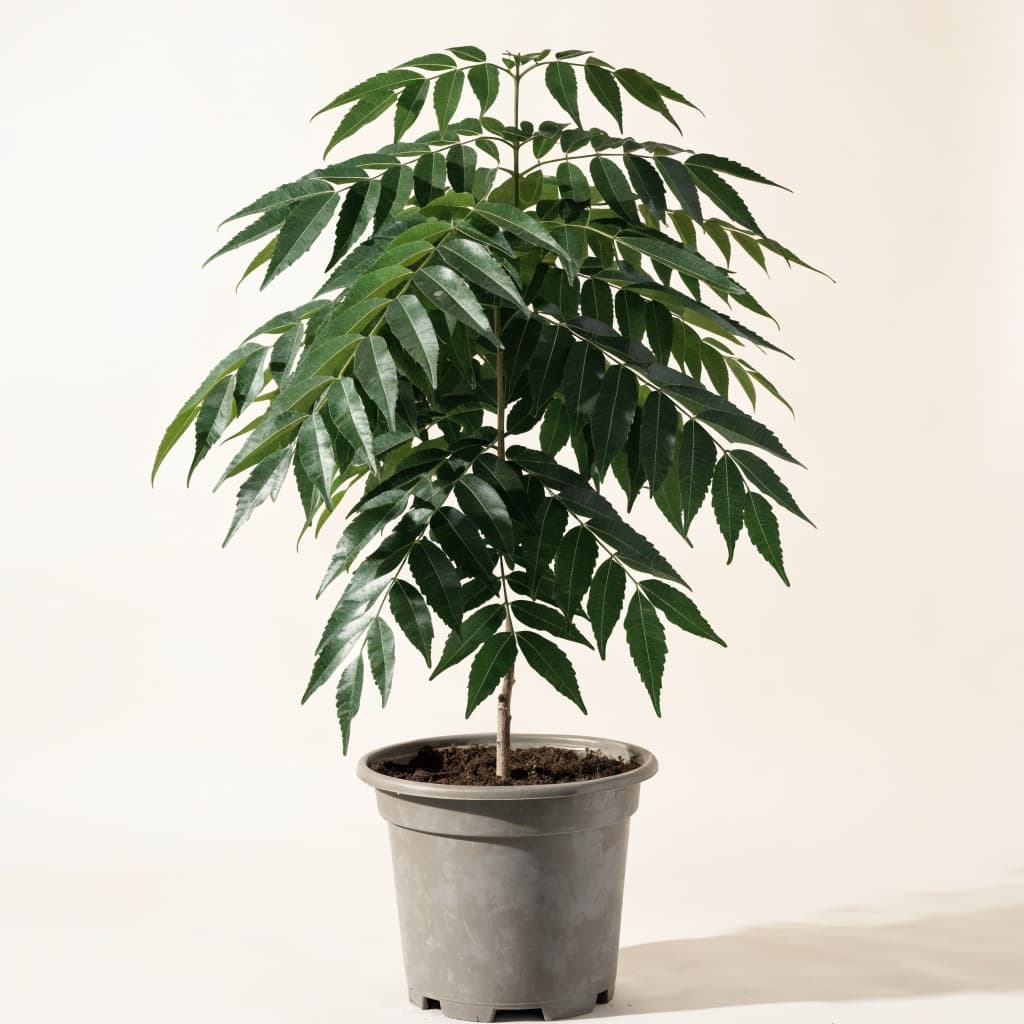
- After that: move to the species' own routine. Our neem tree care guide, for example, suggests deep weekly watering through its first summer, then fortnightly.
What to expect, and which tree to choose
Some yellowing and leaf drop in the first few weeks is normal transplant shock while the tree rebuilds its roots. Worry if leaves wilt while the soil is wet, which points to waterlogging. Worry too if new growth stalls completely for more than a couple of months.
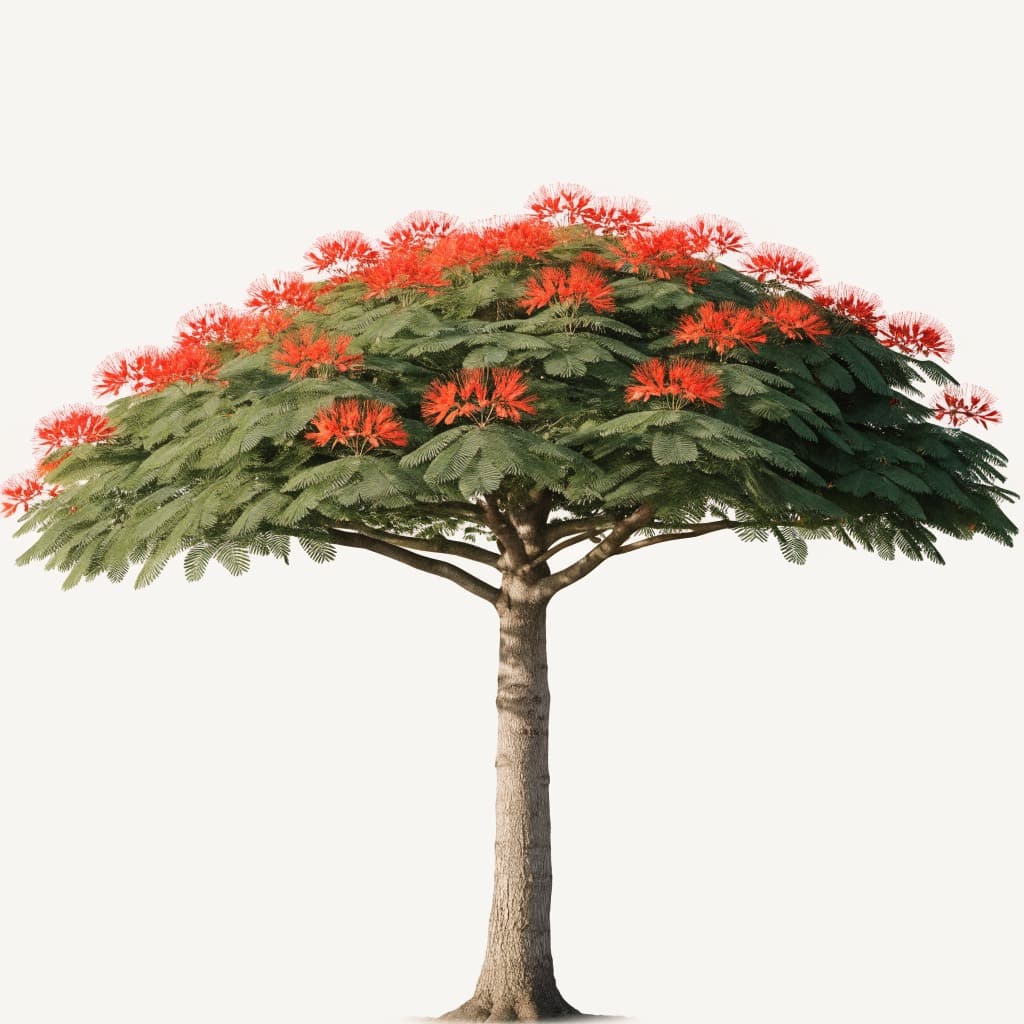
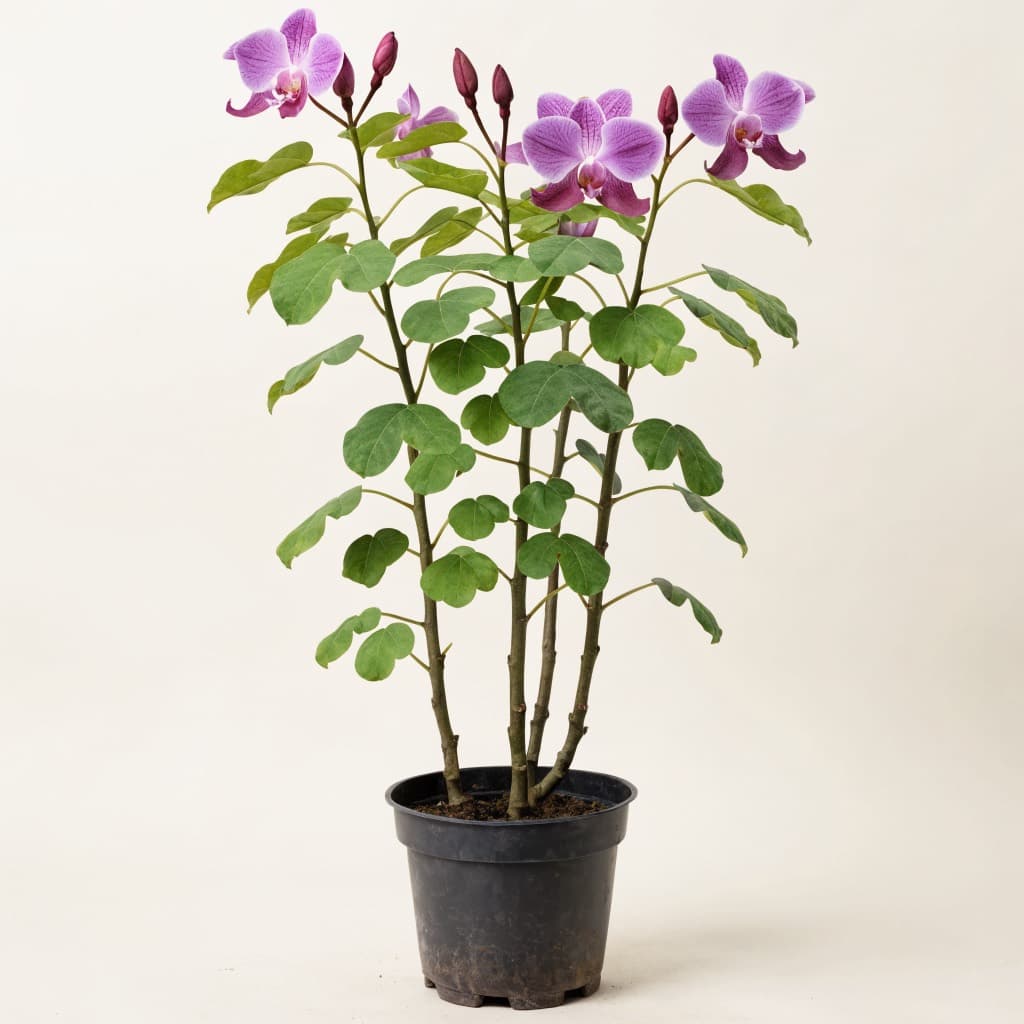
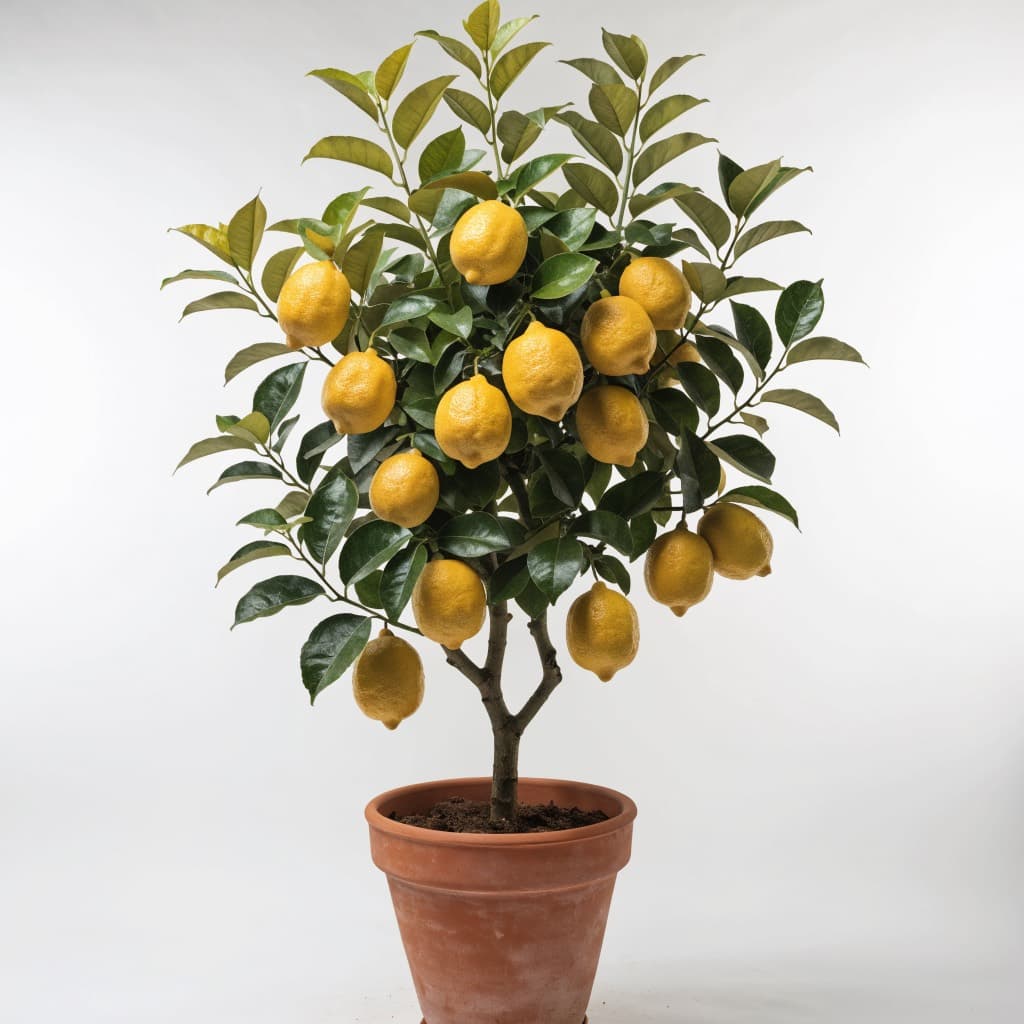
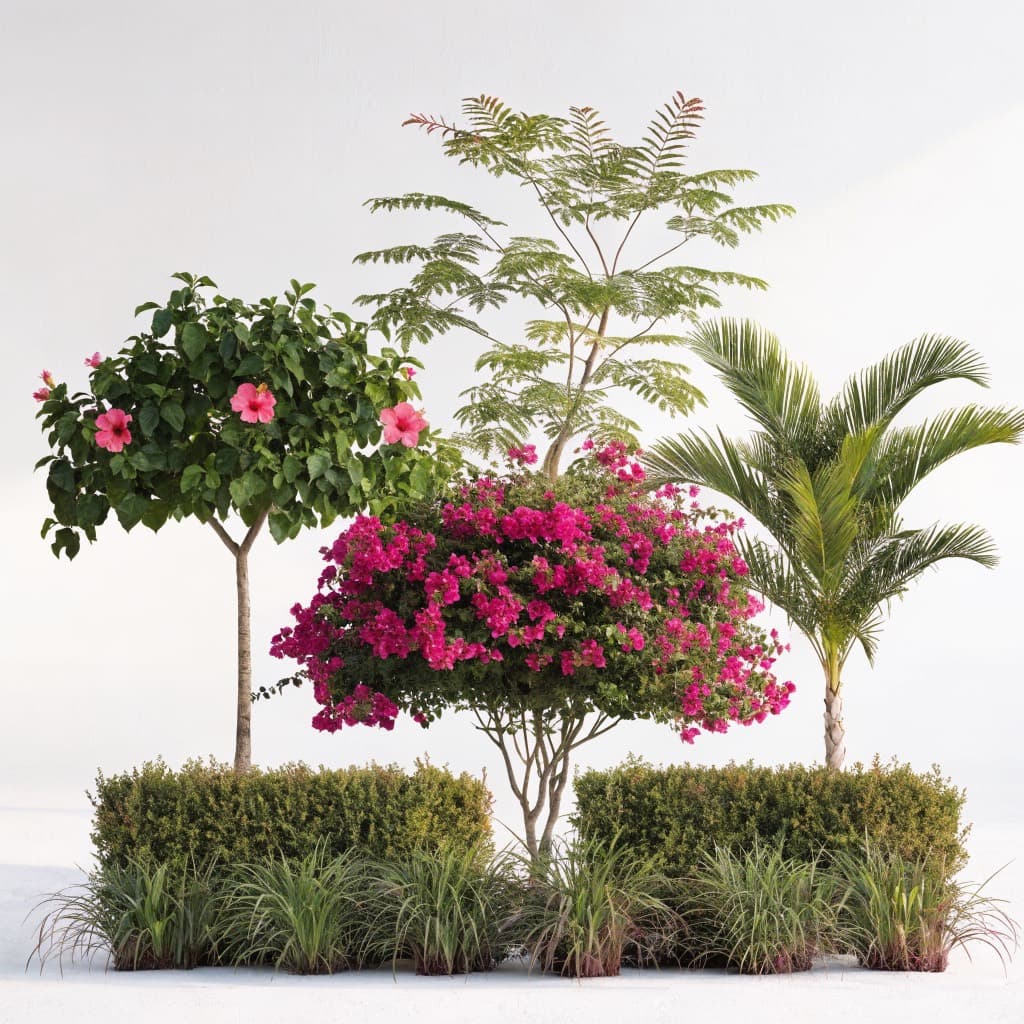
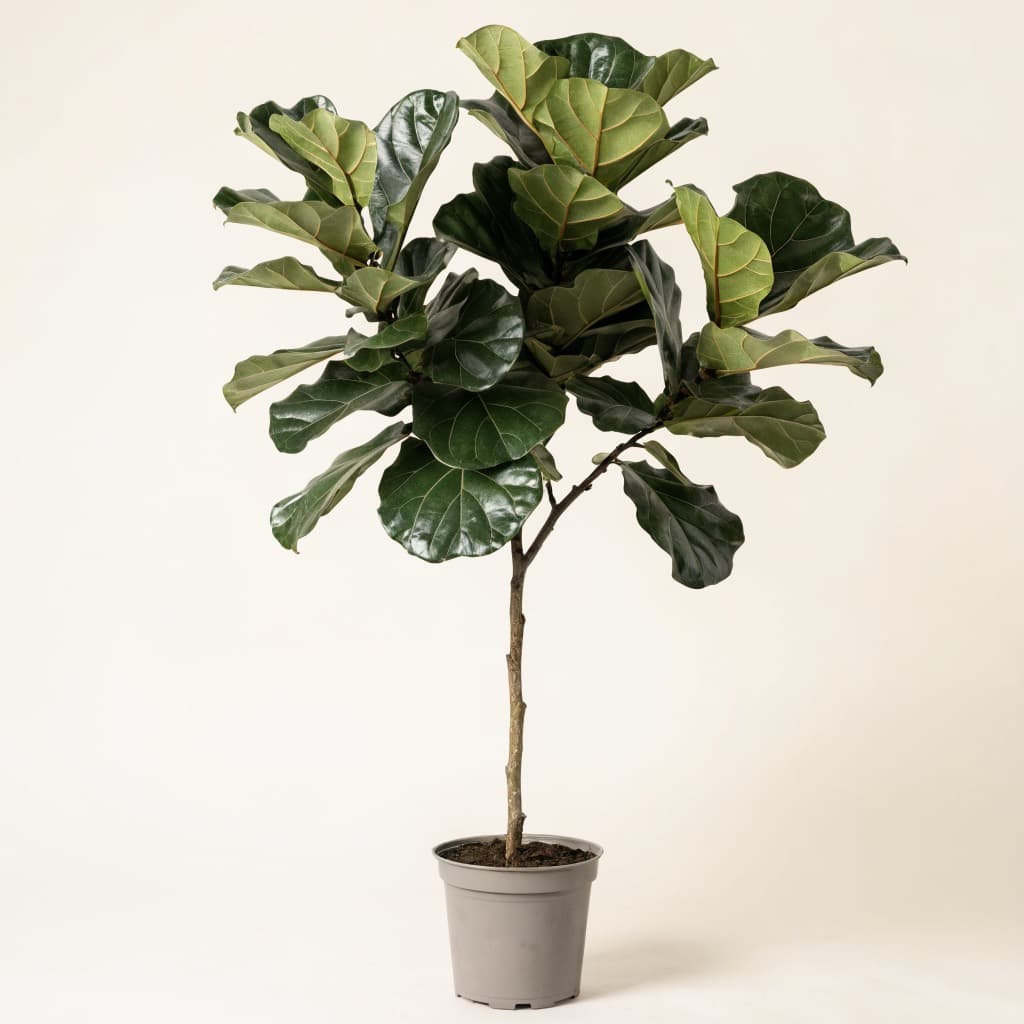
If you are still choosing, the Neem Tree at AED 169 is the most forgiving shade tree for sand, heat and brackish water. The flowering trees collection has the colour trees such as delonix, tabebuia and bauhinia. The same method works for a citrus in the ground; see our lemon and calamansi growing guide. For planning a whole plot, start with the first-season plan for a new villa garden.
A little more clarity
Common questions.
How big should the planting hole be for a tree in the UAE?
Two to three times as wide as the rootball and no deeper than it. Roots spread outwards through loosened sand, and a hole dug too deep lets the tree sink as the soil underneath settles, burying the trunk.
How often should I water a newly planted tree in the UAE?
As a starting point in October: deeply every day in the first week, every second day in weeks two and three, then two or three times a week, before moving to the species' normal routine. Check the soil about 10cm down first, and water more often if the weather is hot.
Should I fill the planting hole with compost or sweet soil in sandy ground?
Not entirely. Backfill mostly with the native sand, mixed with up to about a third compost or sweet soil. A hole of pure rich soil keeps roots circling inside it and sinks as the organic matter breaks down.
Does a newly planted tree need staking in the UAE?
Only if it cannot stand firmly by itself, or the site is exposed to strong wind. Use two stakes outside the rootball with loose, flexible ties about a third of the way up the trunk, and remove them once the tree is anchored, usually within a year.