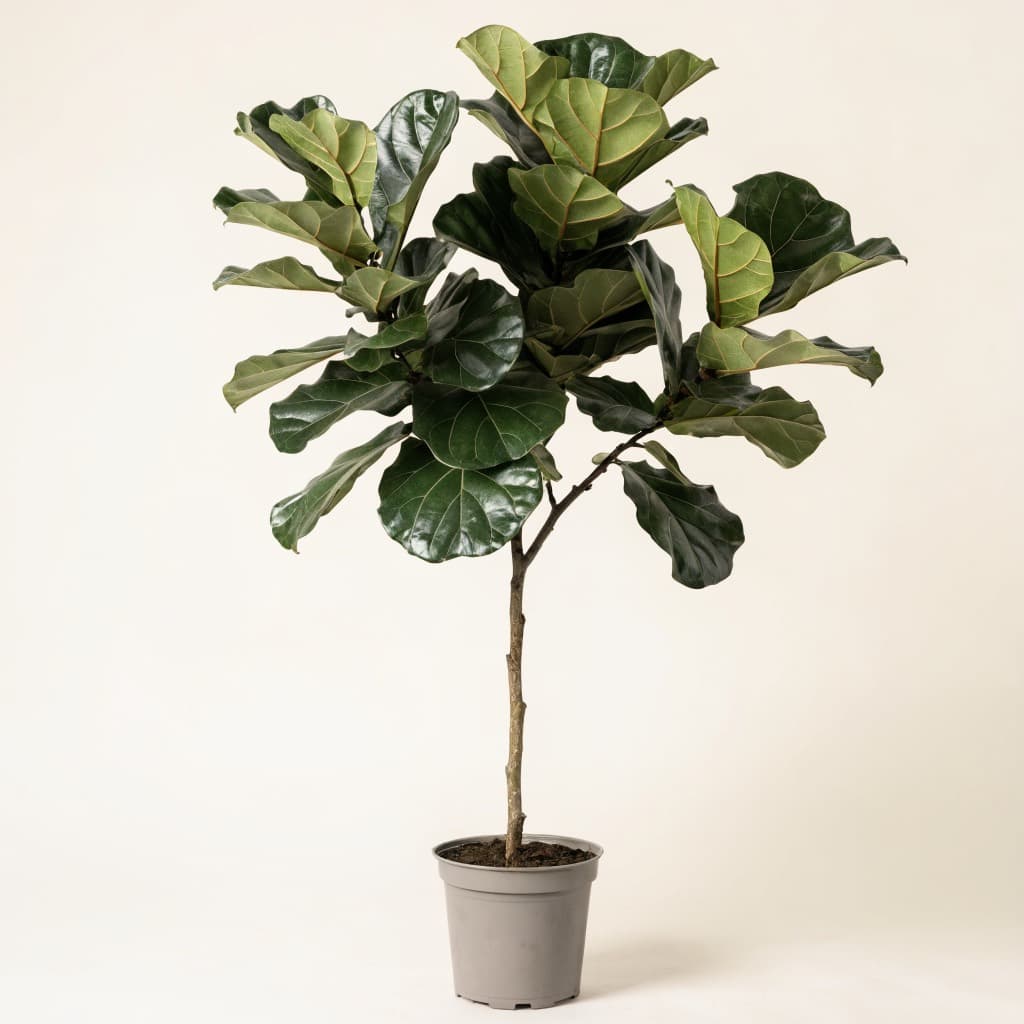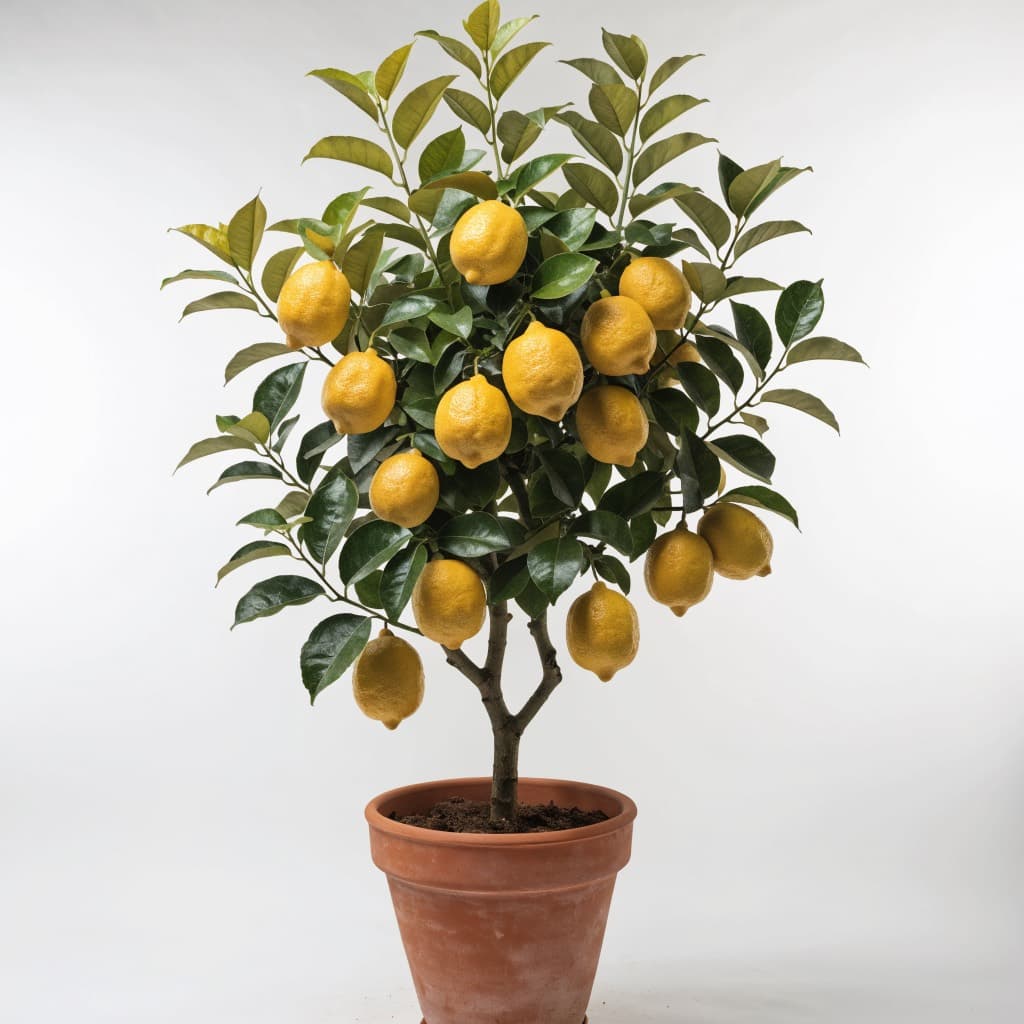
Lemon and calamansi trees grow and fruit well in the UAE if you plant them between October and March, give them full sun, and deal with the two local problems: alkaline, salty water and summer heat. Calamansi is the easiest, flowering and fruiting almost year-round, even in a pot. A lemon takes more care and fruits in flushes. Both need deep watering that flushes the soil, regular feeding, and iron.
Which citrus to choose
Citrus is one of the few fruit-tree groups that produces reliably in UAE gardens and on balconies, and our best fruit trees for the UAE guide ranks it near the top for that reason. The three trees we sell suit different gardeners.
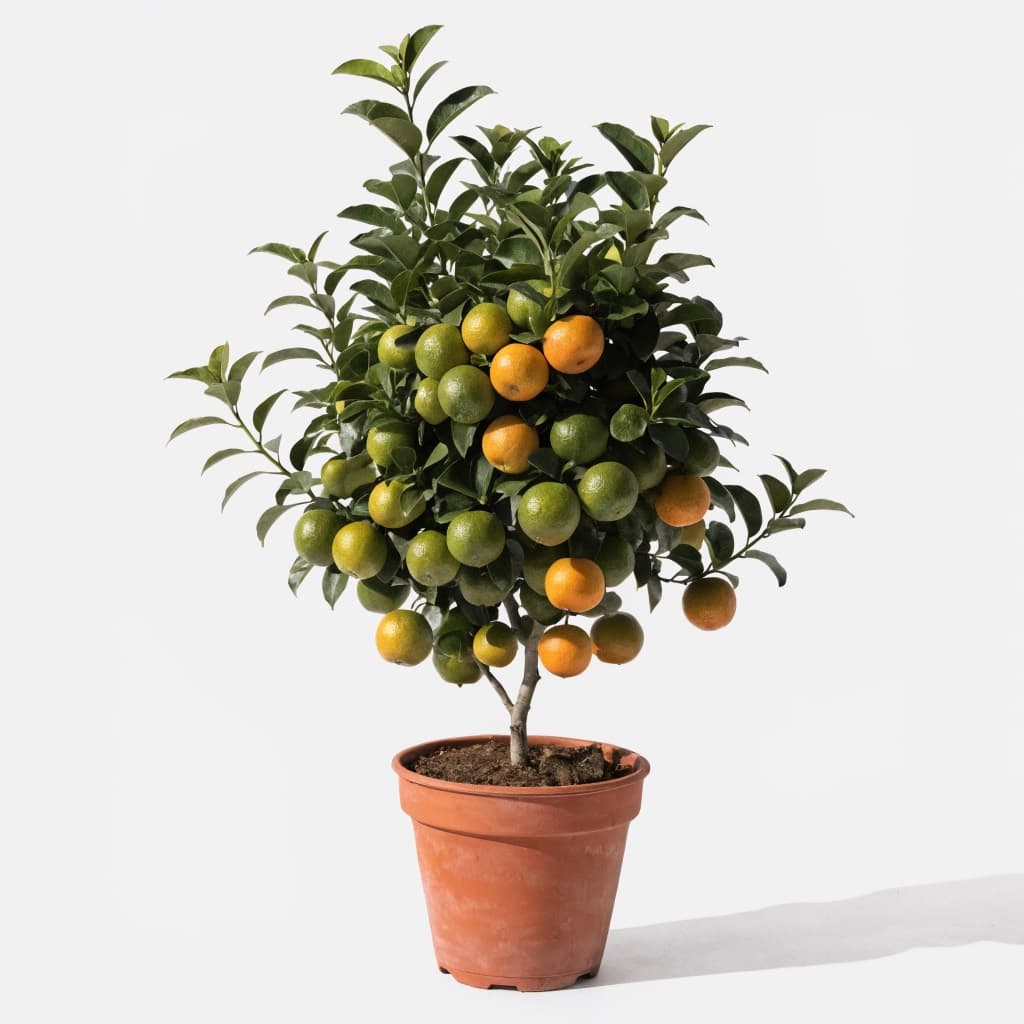
- Calamansi Lime, AED 99: a compact, bushy tree with small, sour, lime-like fruit. It flowers and fruits in overlapping flushes almost all year, so it is the one to choose for a first citrus or a balcony pot.
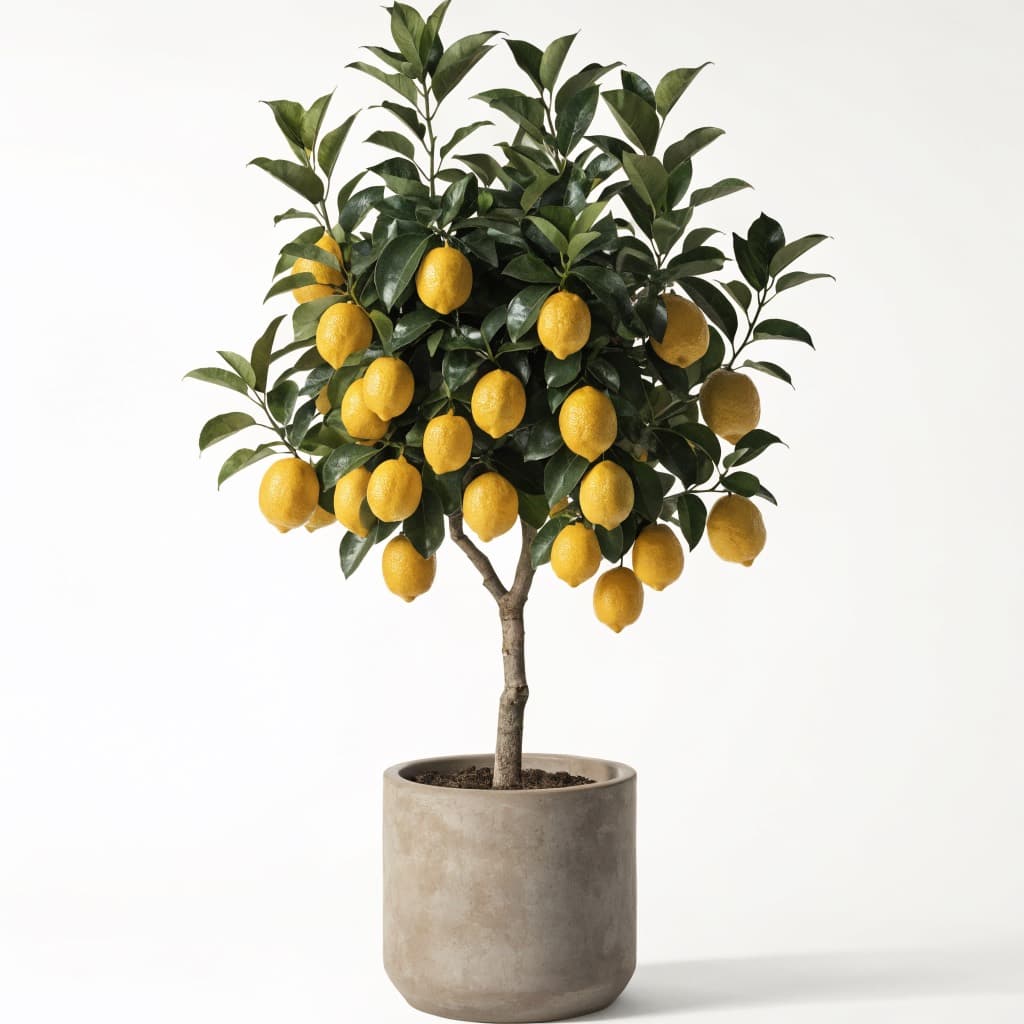
- Lemon Tree (Omani), 100cm, AED 199: a grafted lemon about a metre tall, small enough for a large pot. Expect flowers in the first season and your main crop in the second.
- Lemon Tree XL, AED 629: a mature tree of 1.2 to 1.5m that can fruit in its first season with you. It suits a garden bed or a big terrace planter.
When and where to plant
Plant between October and March. A citrus planted in the cool months has time to root before the heat, while one planted in May spends its first summer just surviving. Give it the sunniest spot you have: citrus needs at least six hours of direct sun to flower well, and a shaded courtyard will give you leaves and not much fruit.
The exception is a pot on a hot west-facing balcony in summer. There, the afternoon sun off glass and tiles can cook the roots and scorch the leaves, so a 50% shade cloth from June to September helps. Our answer on stopping balcony pots overheating covers the rest.
Pots versus the ground
In a pot, drainage matters more than anything else. Citrus roots rot in standing water, so use a pot with a drainage hole and never leave the saucer full. When the tree outgrows its nursery pot, move it up one step rather than into something huge, because a lot of wet soil around a small root system stays soggy. Our Outdoor Fiber Planter is 45cm, UV-stable and sized for trees of 120 to 180cm, so it is the natural next home for the 100cm lemon once it fills its pot. Use a free-draining mix, not heavy garden soil.
In the ground, plant slightly high so water drains away from the trunk, keep the tree out of lawn sprinkler zones, and give it its own drip emitters. For a new garden, the planting order and irrigation plan in our first-season plan for a new villa garden apply to citrus too.
Watering with UAE water
Citrus here is a salt-management job. Tap and irrigation water carry dissolved salts, and in a pot they build up every time you water a little. The rule is to water deeply: keep going until water runs out of the drainage hole, which flushes the salts through. Then let the top few centimetres of soil dry before watering again. A little water often is the fastest way to get burnt leaf edges.
As a starting point, a potted citrus in peak summer may need water every day or two. In the cool months, every four to six days is typical. Always check the soil with a finger before watering. In the ground, fewer and deeper drip cycles work better than frequent short ones.
Feeding, and why the leaves go yellow
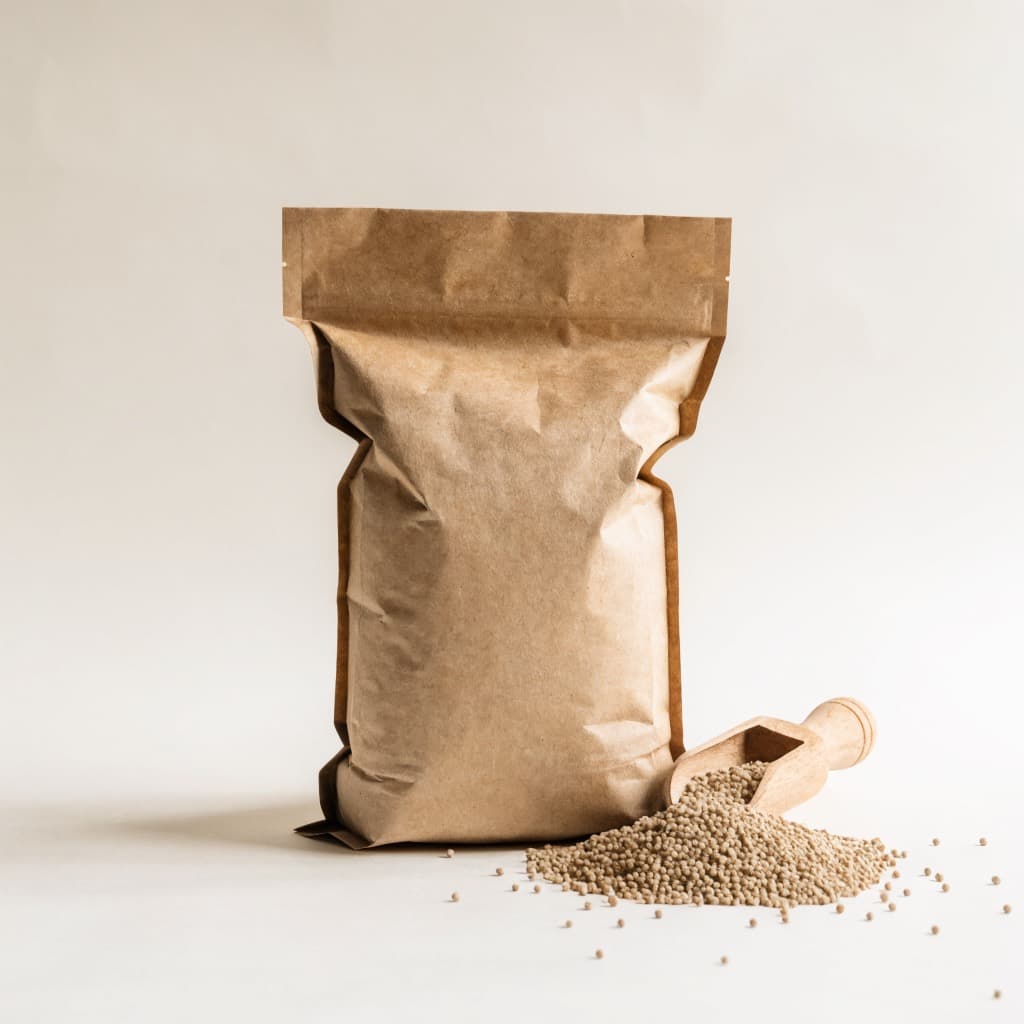
Citrus is a hungry plant, and UAE sand holds very little food. Feed monthly through the growing season with a fertiliser that includes micronutrients. The catalogue guidance for our lemon is monthly from October. Our Outdoor Plant Food, AED 69, is a slow-release granule with added potassium and iron. Avoid very nitrogen-heavy lawn feeds, which push leafy growth at the expense of flowers.
Yellow leaves with green veins are almost always iron deficiency. Usually the iron is in the soil but locked up by the high pH that alkaline water creates. Ordinary iron sulphate works poorly at high pH, so use a chelated iron product. The EDDHA form is the one made for alkaline soils. Always water a dry tree before you feed it, so the fertiliser does not scorch the roots.
Flowers, fruit and fruit drop
Lemon and calamansi are self-fertile, so a single tree sets fruit. There is no need for a second tree. A lemon's main flowering usually comes as the weather warms in late winter and spring, with smaller flushes at other times. Calamansi flowers repeatedly through the year, so it often carries flowers, green fruit and ripe fruit at once.
Do not panic when small fruit falls. Citrus sets far more fruit than it can carry and naturally sheds the extra a few weeks after flowering. Heavy fruit drop later on, or fruit that splits, usually means uneven watering. A dry spell followed by a heavy soak is the classic cause in a UAE summer. Lemons can hang on the tree for weeks once ripe, so pick them as you need them.
Pests, pruning and pets
The pest you are most likely to see is citrus leaf miner. It leaves silvery, winding trails in new leaves and makes them curl. On an established tree it is mostly cosmetic. Scale, mealybug, aphids and whitefly also like the soft new growth. Check under the leaves regularly and treat early with Neem Oil Pest Spray. Our guide to plant pests in the UAE shows how to identify each one.
Prune lightly. Remove any shoots growing from below the graft union, the bump near the base of the trunk, because they come from the rootstock and will not give you the fruit you paid for. Do any shaping after harvest and in the cool months. Heavy summer pruning exposes bark to sunburn.
If you have pets, keep citrus out of chewing range. The peel and leaves contain oils and compounds that can upset cats and dogs, so clear fallen fruit and leaves promptly.
A little more clarity
Common questions.
Is calamansi easier to grow than a lemon tree in the UAE?
Yes. Calamansi is compact, copes well with Gulf heat and fruits in overlapping flushes almost year-round, even in a pot. A lemon grows larger, fruits mainly in flushes, and is less forgiving of uneven watering. Calamansi is the better first citrus.
Do I need two lemon trees to get fruit?
No. Lemon and calamansi are self-fertile, so a single tree sets fruit on its own. What limits fruit in the UAE is usually sun, feeding and even watering, not pollination.
Why is my lemon tree dropping small green fruit?
Some drop a few weeks after flowering is normal: citrus sets more fruit than it can carry and sheds the rest. Heavy drop later on usually means stress, most often a dry spell followed by a heavy soak, or a pot left to dry out in summer heat.
How big a pot does a lemon tree need in the UAE?
Move it up one pot size at a time rather than into a huge pot, and always use one with a drainage hole. For a lemon of about a metre, a planter of around 45cm is a sensible next step once it has filled its nursery pot.