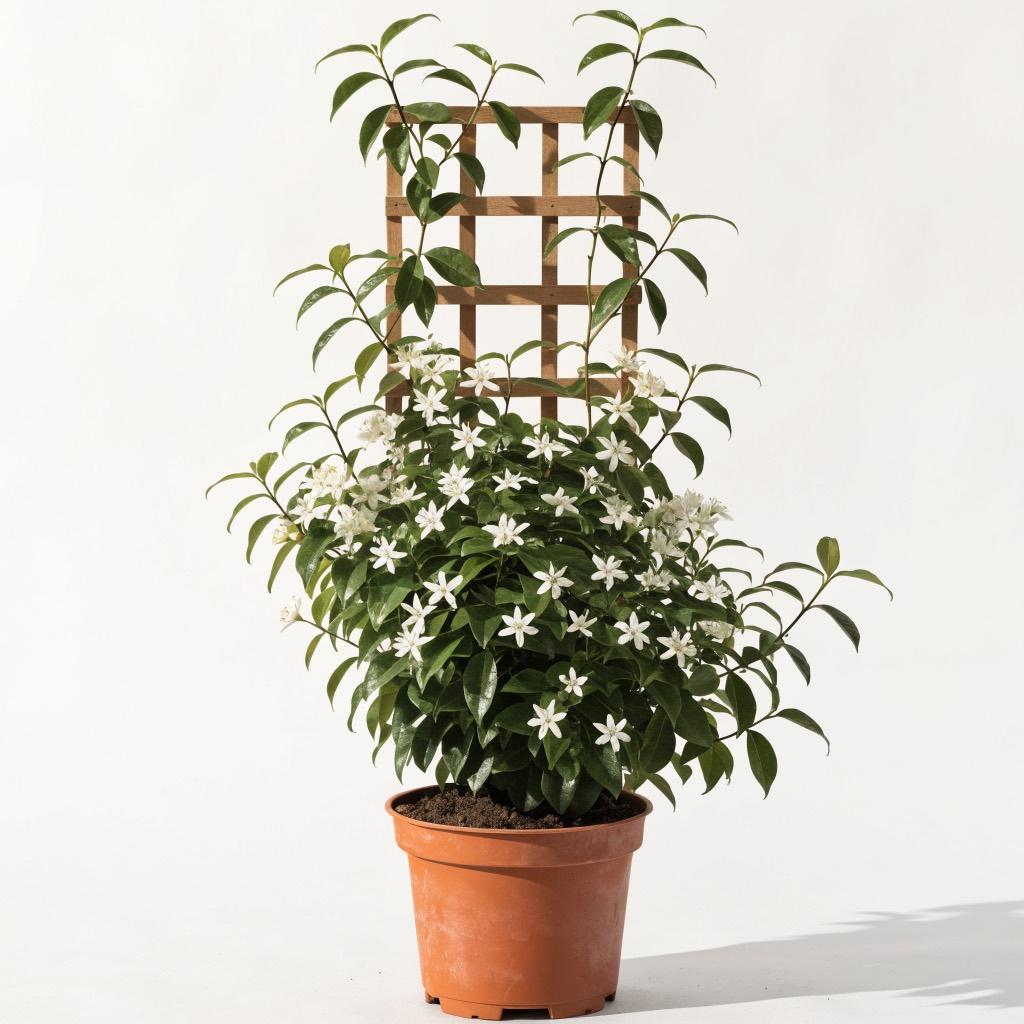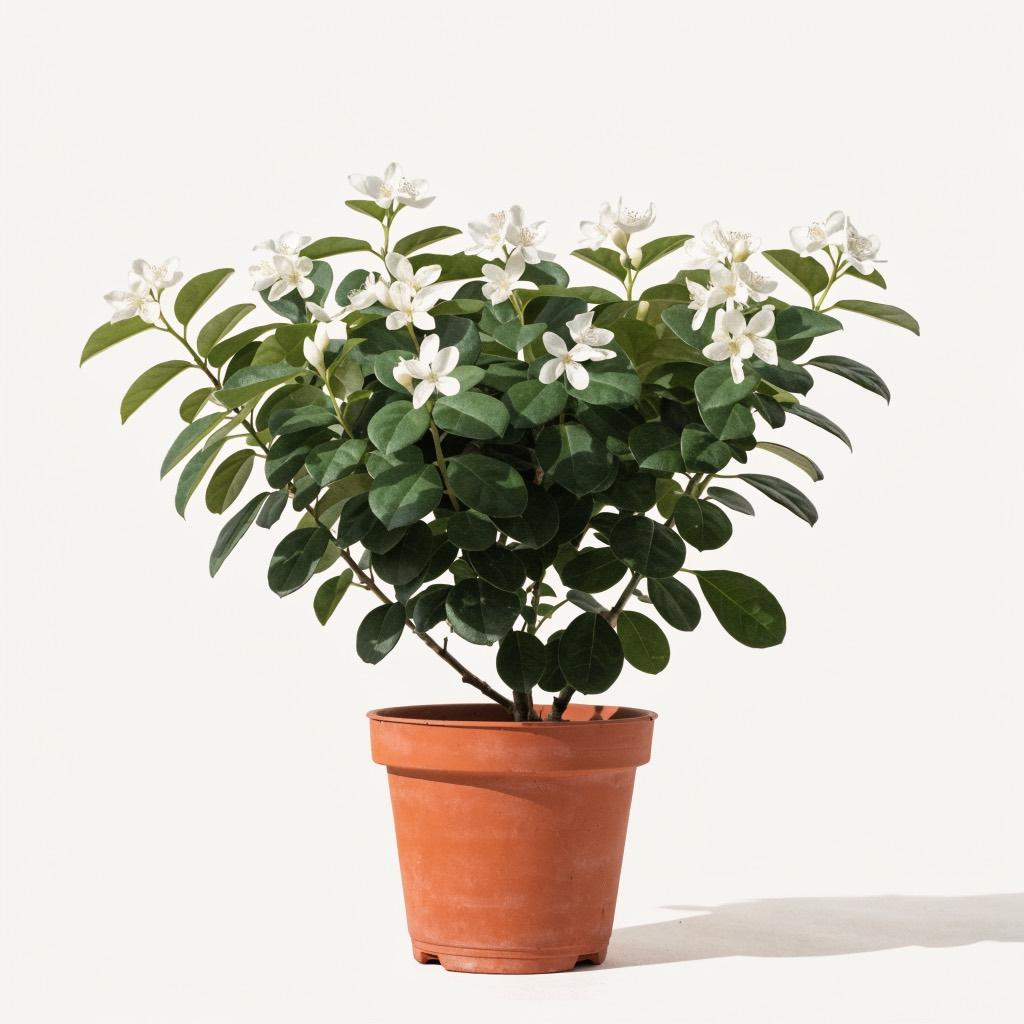
Arabian jasmine (Jasminum sambac) is the white, intensely fragrant jasmine of Gulf courtyards, known as full in Gulf Arabic and motia or mogra in Urdu and Hindi. It is one of the best flowering plants for a UAE balcony or villa garden: it takes the heat, flowers in repeated flushes through the warm months, releases its scent in the evening when you are outside, and the ASPCA lists jasmine as non-toxic to cats and dogs. Give it sun, water it well in summer and trim it after each flush. Ours is AED 59, delivered across the UAE.
What Arabian jasmine is, and its many names
Arabian jasmine is Jasminum sambac, an evergreen shrub in the olive family with glossy oval leaves and small, waxy white flowers. The name reflects its long history in Gulf and Arabian gardens rather than where it first grew wild: it has been cultivated across South and Southeast Asia and the Gulf for centuries, and it travelled with the traders who sailed between them.
That is why it has so many names. In the UAE you will hear it called full (فل) or yasmeen. Families from Pakistan and India know it as motia or mogra, the flower threaded into gajra for the hair and garlands for weddings and Eid. In the Philippines it is sampaguita, the national flower since 1934, and in Indonesia it is melati putih. Every one of these is the same plant you can grow on a Dubai balcony.
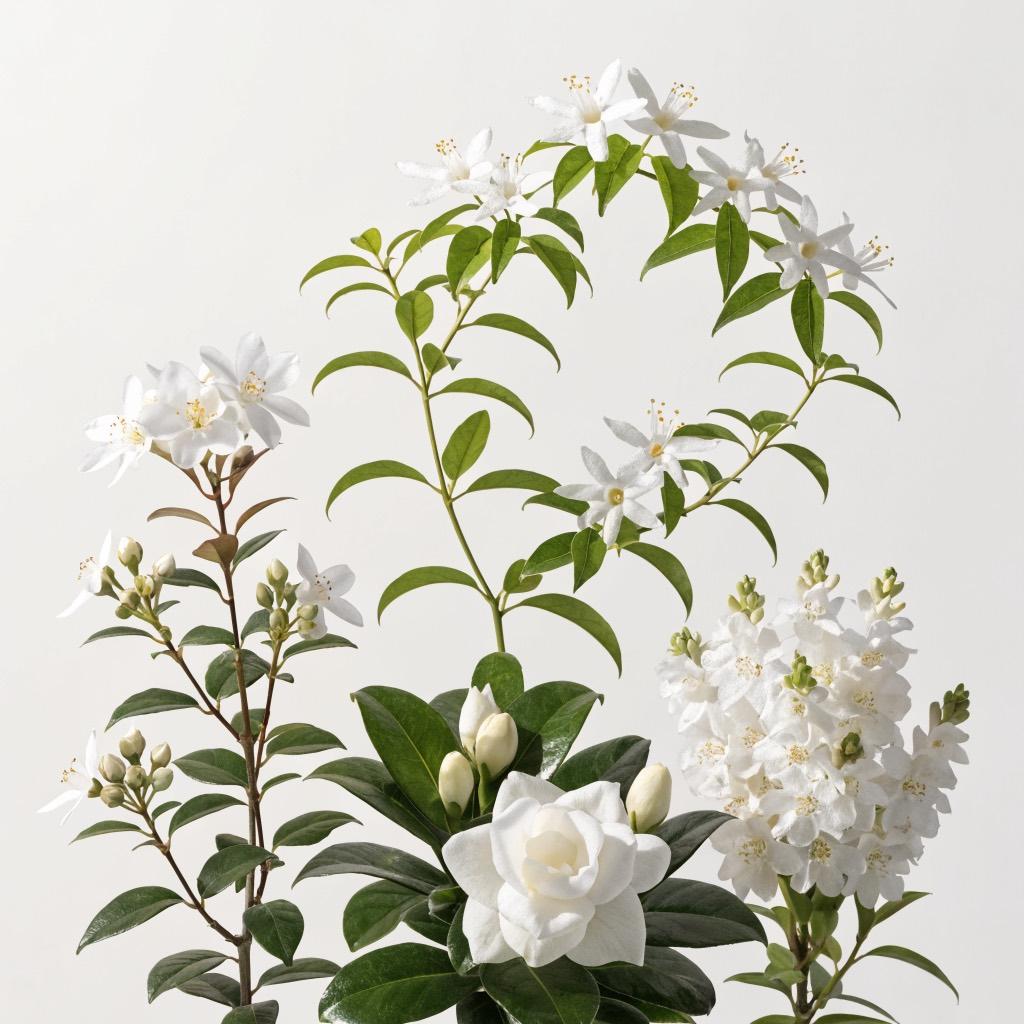
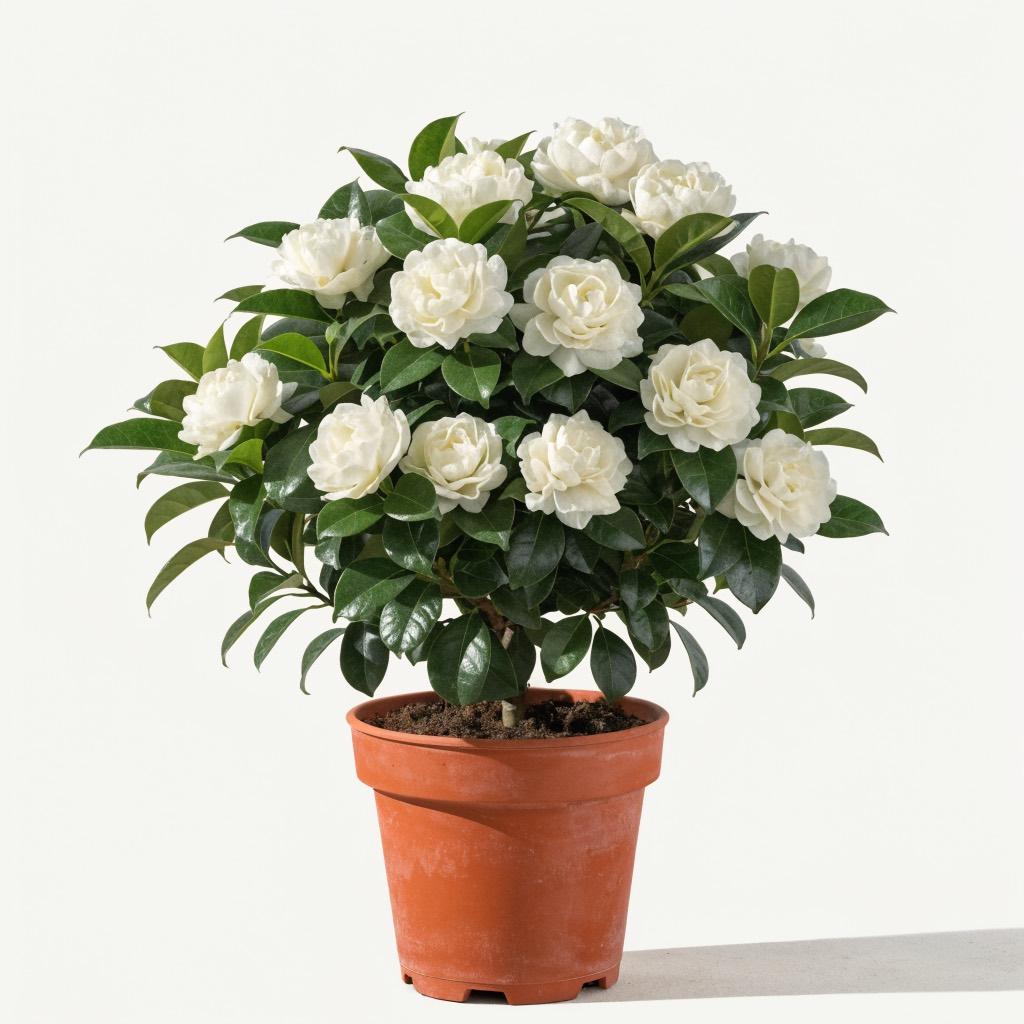
It is a true jasmine. Several plants sold as jasmine are not: star jasmine is a Trachelospermum, crape jasmine a Tabernaemontana and Cape jasmine a gardenia. We stock all of them in the jasmine collection, and the differences are covered further down.
The benefits of growing Arabian jasmine in the UAE
The first benefit is the scent. Arabian jasmine flowers open in the late afternoon and evening and are at their most fragrant after dark, which is exactly when a UAE balcony, terrace or majlis doorway is in use for most of the year. One plant by a seating area perfumes the air around it on a still evening; three or four along a wall perfume a whole terrace.
It flowers for a long season. Rather than one burst in spring, it flowers in repeated flushes on new growth through the warm months, from spring through summer into autumn, and slows down on cool nights in midwinter. Trim it after each flush and it comes back with another.
It handles UAE heat. Plenty of flowering plants sold here are winter annuals that collapse in May. Arabian jasmine is a tropical shrub that keeps going through the summer as long as it gets water, which makes it one of the few scented plants worth buying for a balcony that faces the sun all year.
It is a safe choice for a home with pets. The ASPCA lists jasmine (Jasminum species) as non-toxic to cats and dogs. That sets it apart from oleander, which is common in UAE gardens and highly toxic, and from lavender, which the ASPCA lists as toxic. Any plant can still upset a pet that eats a lot of it, so discourage chewing.
It stays compact. It grows as a bushy shrub of roughly one to two metres and takes pruning well, so it suits a pot on a balcony, a pair at an entrance or a low informal hedge without outgrowing the space.
It is a living gift. Jasmine carries meaning across the communities that live in the UAE: welcome and hospitality in Emirati homes, and celebration in South Asian and Filipino families. A potted jasmine for Eid, Diwali, a housewarming or a new baby keeps flowering long after a bouquet would have gone.
Scent, tea and wellbeing: what is true and what is not
Jasminum sambac is the flower used to scent traditional jasmine tea: fresh blossoms are layered with tea leaves so the leaves absorb their fragrance. It is also the jasmine floated in bowls of water at the entrance of a home to scent a room, a custom you can copy with flowers picked from your own plant.
We sell our jasmine as an ornamental plant, not as food. Nursery plants can carry treatments that are fine for a garden but not tested for eating, so do not use the flowers in tea or food unless you have grown the plant yourself, without sprays, for several months.
Some small studies have looked at the effect of jasmine scent on mood and relaxation, but the evidence is limited, and we do not make health claims for it. Enjoy it for what it reliably does: a beautiful scent on a warm evening.
Where to put it: balcony, villa garden or indoors
Arabian jasmine needs direct sun to flower. An east- or south-facing balcony is ideal, with at least four to six hours of sun. On a west-facing balcony it takes the full sun from October to April, but in July and August it is happier with some afternoon shade from a shade cloth or a taller plant.
In a villa garden, plant it in improved soil on drip irrigation by a gate, along a boundary wall or beside the seating area, where you will pass it in the evening. For a low informal hedge, space plants about 50 to 75 centimetres apart, or two per metre of wall.
Indoors it is a visitor, not a resident. A dim, air-conditioned room is not bright enough for buds to form, so keep it outside and bring it in for an evening when guests are over. If you want a jasmine that lives on a sunny windowsill, choose the brightest window you have.
How to care for Arabian jasmine in the UAE
Care is simple once you know what it wants, which is sun, water in the heat, food while it is flowering and a trim after each flush.
- Watering: keep the soil evenly moist, never soggy. In a pot in summer that usually means every day or every other day; in winter, check the top two to three centimetres of soil and water when it feels dry, often every three to five days.
- Soil and pot: use a free-draining mix such as premium potting soil in a pot with drainage holes. Move it into a pot one size up when roots circle the base; a larger pot also dries out more slowly in summer.
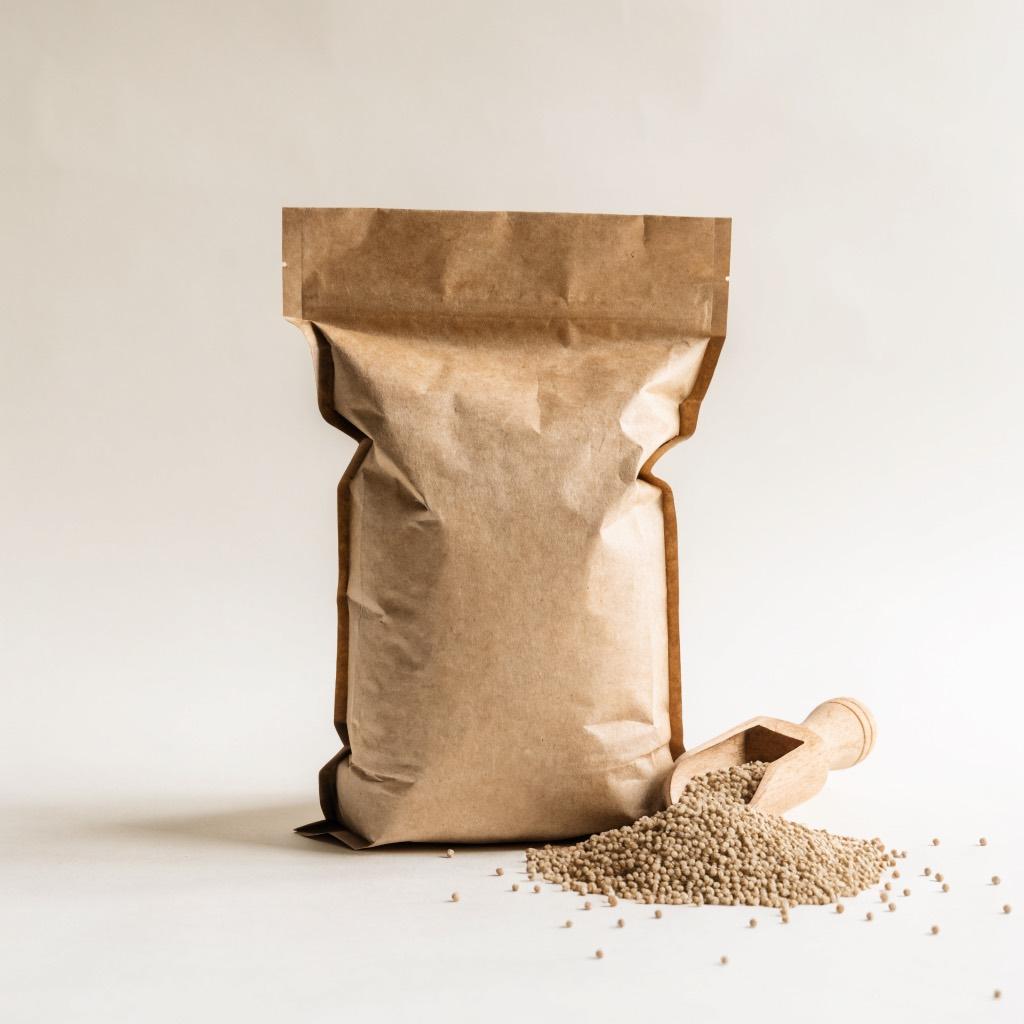
- Feeding: feed monthly from March to October with a flowering feed such as outdoor plant food. Too much nitrogen gives you leaves and no flowers.
- Pruning: it flowers on new growth, so cut back flowered stems by a third after each flush. That is the single biggest thing you can do for more flowers.
- Pests: check under the leaves for mealybug, whitefly and spider mite, especially in hot, dry weeks. Treat early with neem oil spray in the evening, never in midday sun.
- Winter: flowering slows on cool nights from December to February. Water less, skip feeding and give it a light trim in late February so it is ready for spring.
Why buds drop, and other common problems
Buds that turn brown and drop before opening are almost always a watering problem: the pot dried out completely, or was waterlogged. Water on a steady routine and make sure the pot drains.
Lots of leaves and no flowers means too little sun or too much nitrogen. Move it somewhere brighter and switch to a flowering feed.
Yellow leaves with green veins point to a nutrient shortage, often iron, which is common in the alkaline water and soil of the UAE. A feed with trace elements usually fixes it within a few weeks.
Scorched, crispy leaf edges in summer mean the pot is overheating in the afternoon. Shade the pot itself, not just the plant, and water in the early morning.
Arabian jasmine vs star jasmine and the other jasmines
If you want scent from a shrub in a pot, choose Arabian jasmine. If you want to cover a trellis or a wall, choose star jasmine, a climber that flowers white and scented mainly in spring. Crape jasmine flowers for most of the year in part sun but has only a light scent, and gardenia has the richest perfume of all but is the fussiest about water.
For a whole scented corner in one order, the Scented Garden Set puts all four together: Arabian jasmine, gardenia, crape jasmine and star jasmine.
Buying Arabian jasmine in the UAE
Our Arabian Jasmine is AED 59 for a bushy plant in an 18 cm nursery pot, grown for UAE conditions and delivered across the UAE. Before dispatch we send you a WhatsApp photo of the actual plant, so you can see its buds and shape before it leaves.
Jasmine looks and smells best in numbers. Three plants along a balcony rail cost AED 177 before any saving, and because jasmine is in our everyday range, Mix & Match takes a percentage off automatically at checkout when you buy two or more everyday plants, with a bigger saving the more you add.
Need a pot to go with it? Add a planter from pots and planters a size or two bigger than the 18 cm nursery pot, so the plant has room to grow into it.
A little more clarity
Common questions.
How long does a single Arabian jasmine flower last?
About a day. Each flower opens in the late afternoon or evening, is most fragrant that night and fades by the next day. The plant makes up for it by opening new flowers in succession, so a healthy plant in flush has fresh flowers every evening for weeks.
Is Arabian jasmine the same plant as mogra and sampaguita?
Yes. Arabian jasmine, mogra, motia, full, sampaguita and melati putih are all names for Jasminum sambac. Named forms such as 'Maid of Orleans' and the double-flowered 'Grand Duke of Tuscany' differ in flower shape, but all are the same species with the same care.
Can I plant Arabian jasmine in the ground in a UAE villa garden?
Yes. Dig in plenty of compost or potting soil to improve sandy ground, put it on drip irrigation and give it at least four to six hours of sun. Plant from October to March so it can root in before the summer heat.
How many Arabian jasmine plants do I need for a low hedge?
Space them about 50 to 75 centimetres apart, which is roughly two plants per metre. A three-metre boundary wall needs about six plants, and trimming the tops after each flush keeps the row bushy and flowering.
When is the best time to buy Arabian jasmine in the UAE?
October to March is the best time to plant, because the plant settles in during the mild months and is established before summer. A plant bought now will slow its flowering on the coolest nights of December and January, then flower heavily from spring.