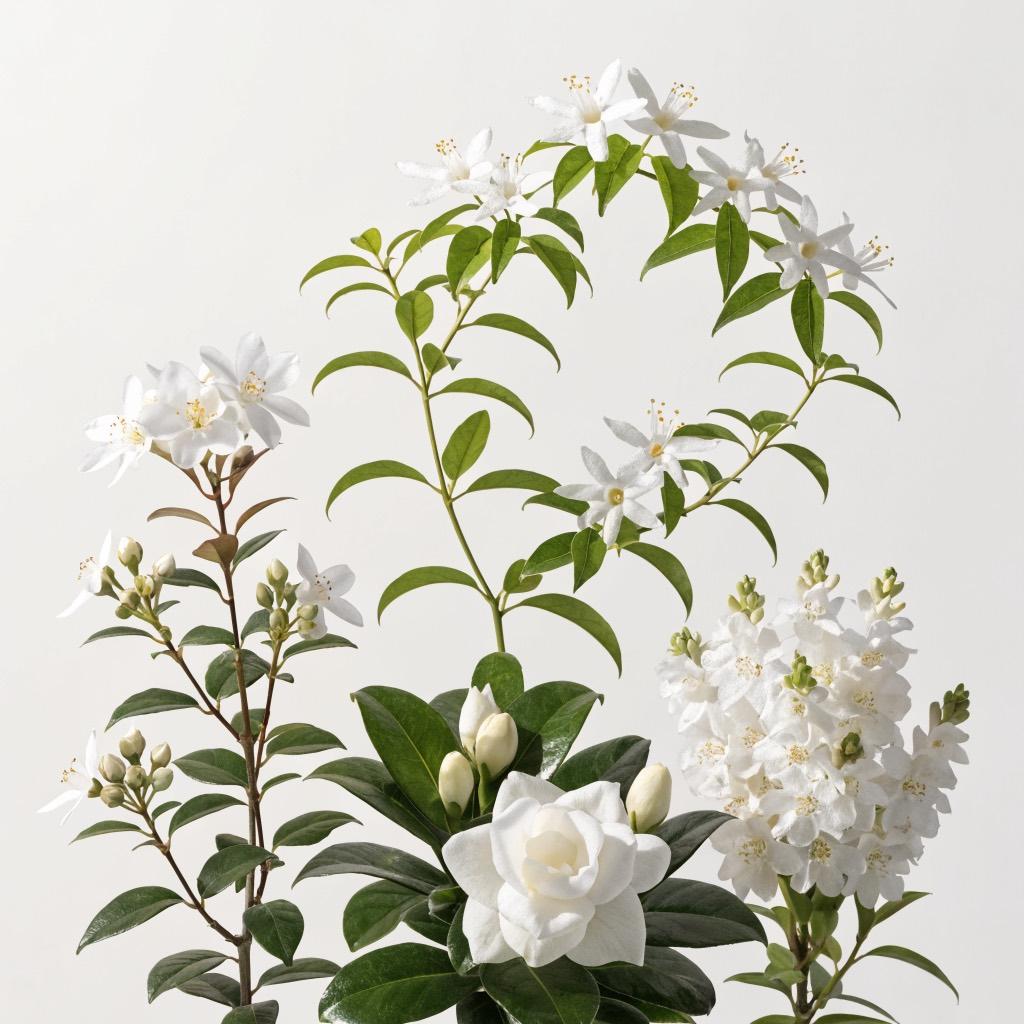
For a scented garden or balcony in the UAE, put Arabian jasmine (Jasminum sambac) close to where you sit in the evening, add frangipani for the summer and crape jasmine or a wild jasmine hedge for the winter, and keep gardenia in a pot with afternoon shade. Most of these scent after sunset, which is when a UAE garden is actually used. Of the six plants below, the ASPCA lists Arabian jasmine and star jasmine as non-toxic to cats and dogs and gardenia as toxic; it does not list the other three.
Six plants sold as jasmine, and only one is a true jasmine
Walk round a UAE nursery and at least five different plants carry the word jasmine on the label. Only one belongs to the jasmine genus, Jasminum. The rest borrowed the name because they also have white, scented flowers. The difference matters, because they do not take the same sun, they do not get through a Gulf summer in the same way, and they are not equally safe around a cat or a dog.
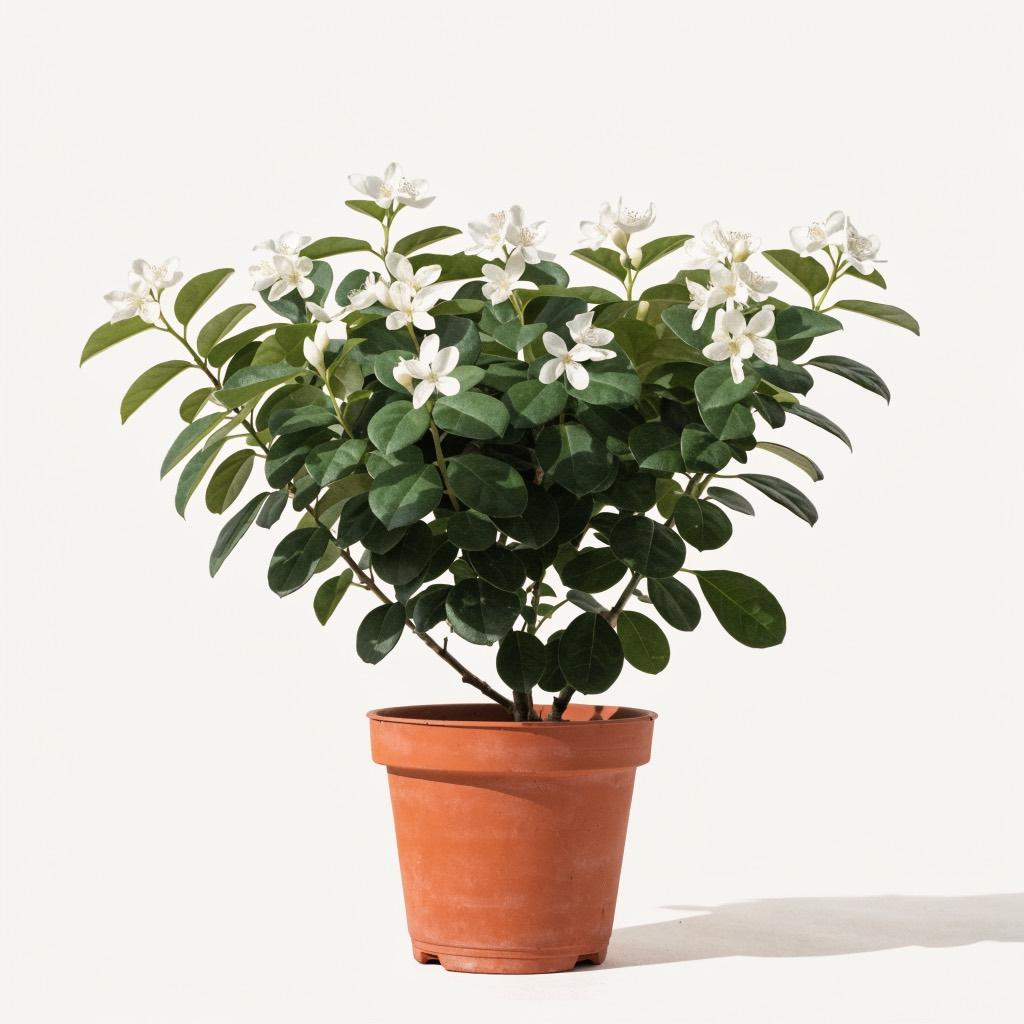
- Arabian jasmine (Jasminum sambac): the true jasmine, called full in the Gulf and motia in Hindi and Urdu. A scrambling shrub with small, many-petalled white flowers. Our outdoor Arabian jasmine is AED 59 in an 18cm pot.
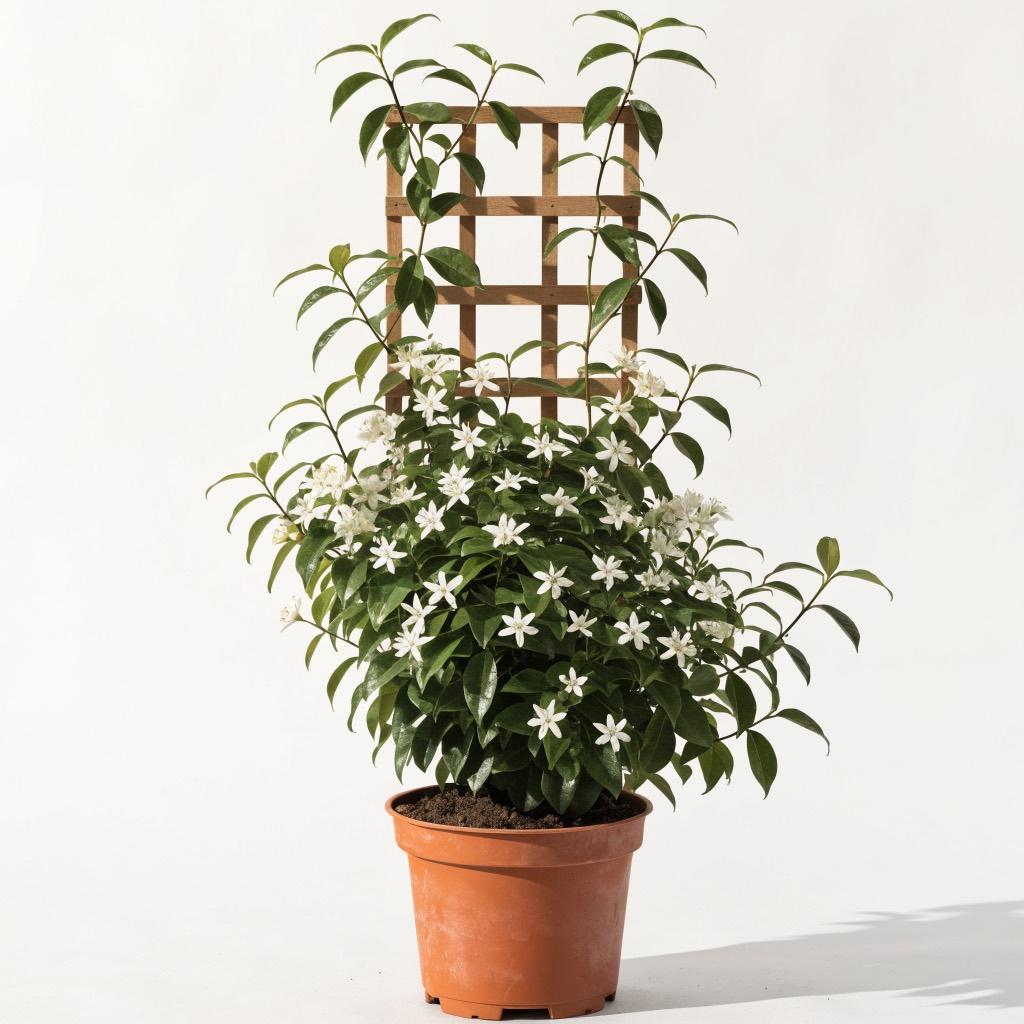
- Star jasmine (Trachelospermum jasminoides): an evergreen twining climber with small star-shaped flowers. It belongs to the same family as frangipani, not to the jasmines. The Star Jasmine Climber is AED 89.
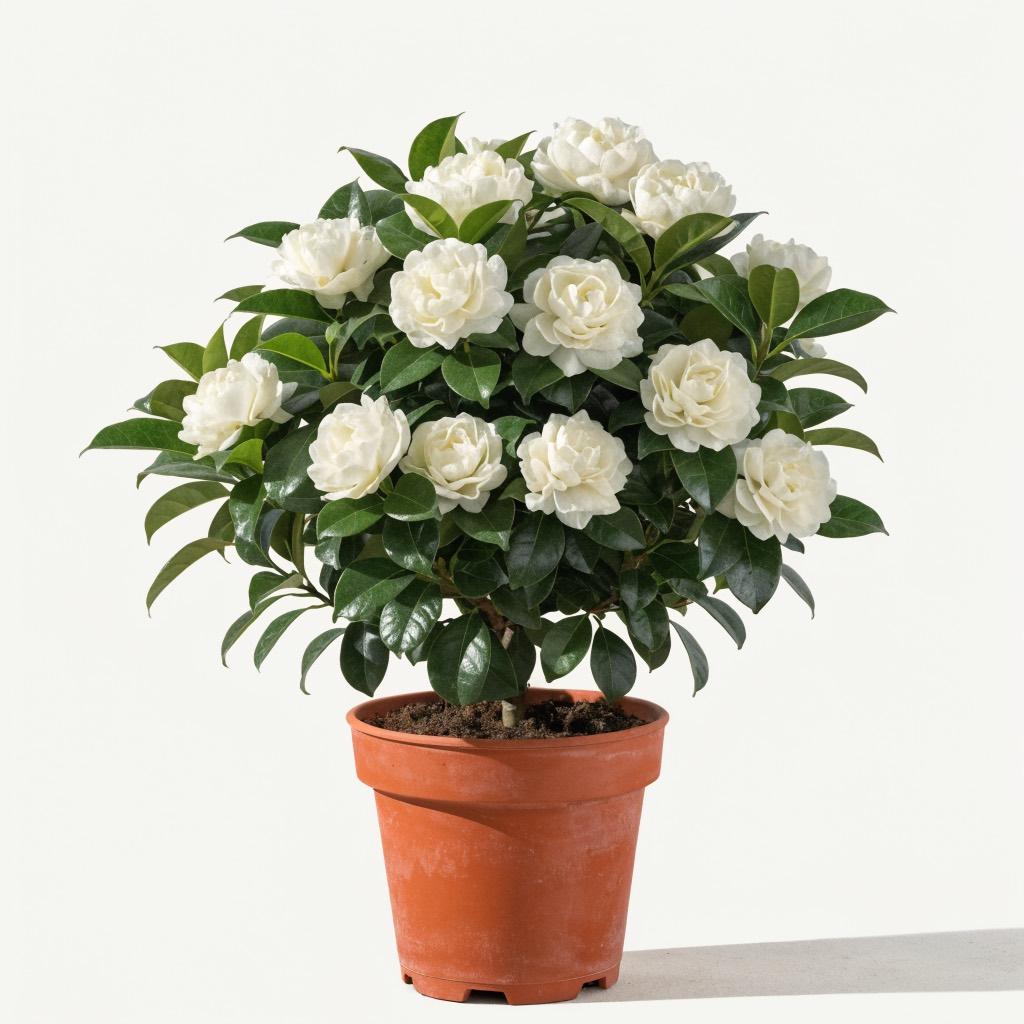
- Cape jasmine, better known as gardenia (Gardenia jasminoides): thick, waxy double flowers and the heaviest perfume of the group. AED 79.
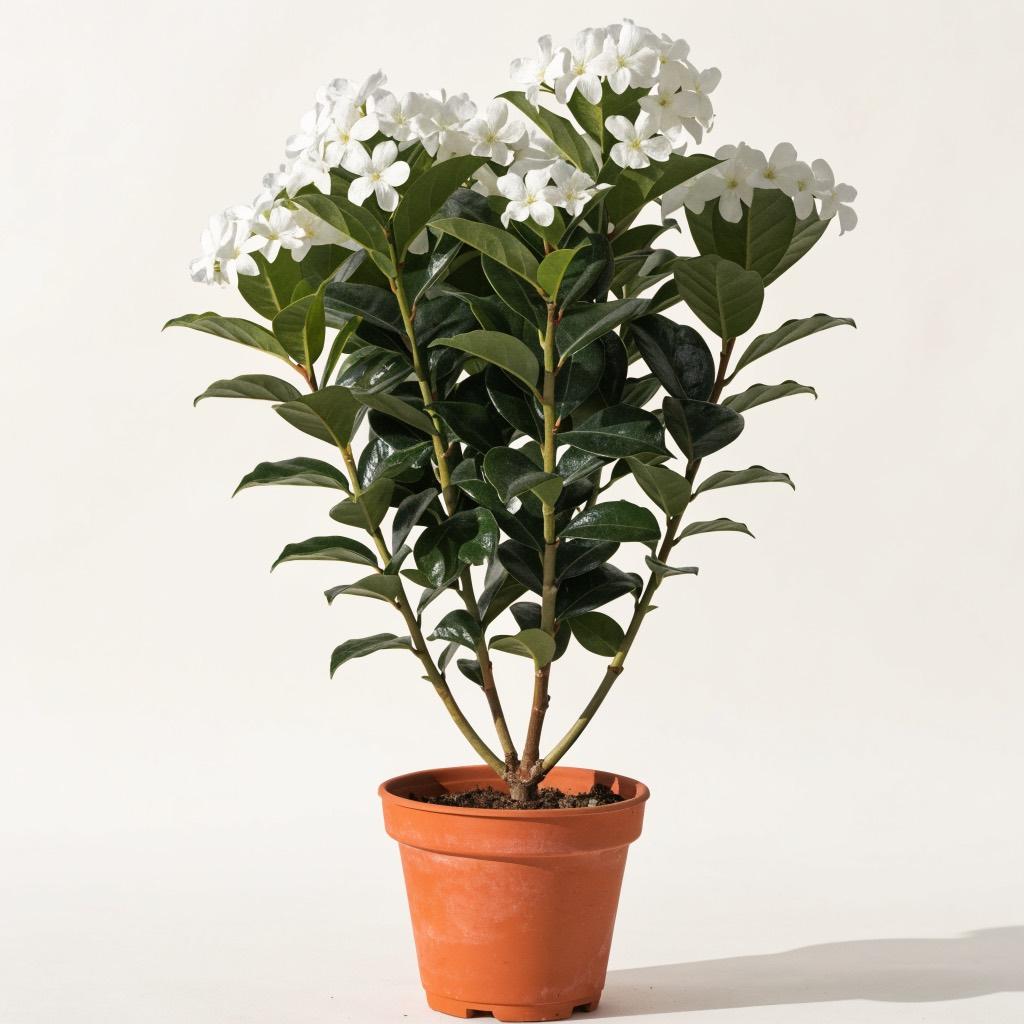
- Crape jasmine (Tabernaemontana divaricata): a dense evergreen shrub with white pinwheel flowers, AED 79.
- Wild jasmine (Clerodendrum inerme): the glossy, salt-tolerant hedge of Gulf beachfront plots, with small scented white flowers. It comes as a five-plant wild jasmine hedge for AED 189.
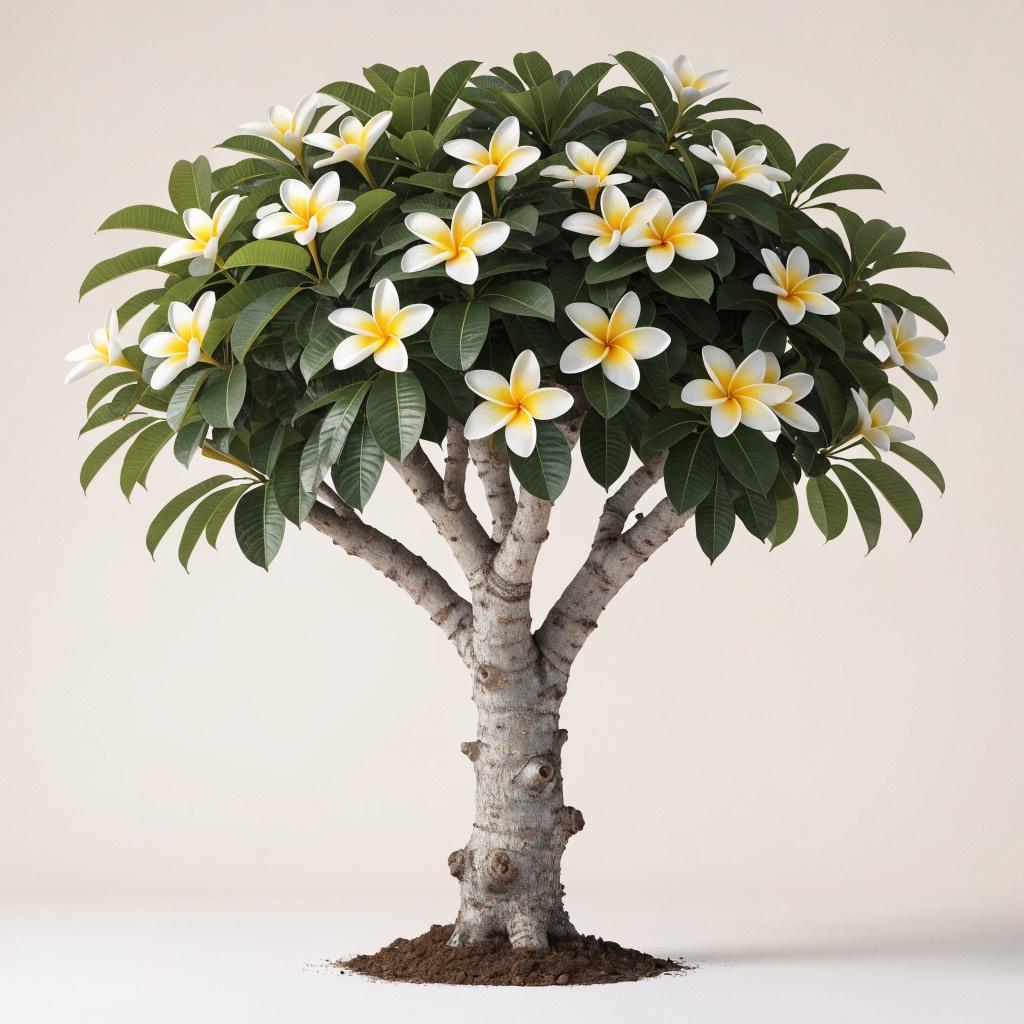
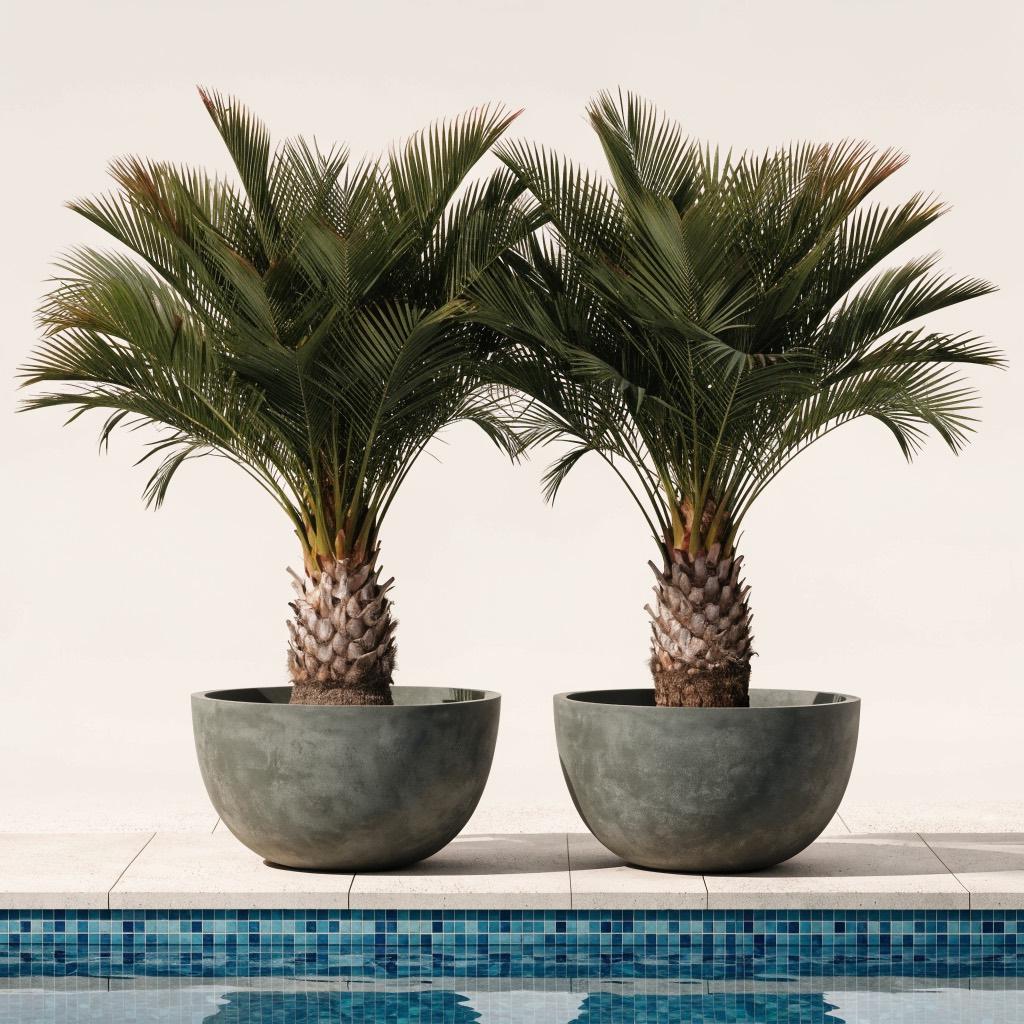
- Frangipani (Plumeria): never sold as a jasmine, but it does the same job in a UAE garden, a heavy evening perfume from a small tree. A frangipani in a 30cm pot is AED 249.
When each one flowers in the UAE
The UAE turns the European garden calendar round. October to March is the planting and growing season, and June to September is when many plants shut down to survive. These are the flowering windows to plan a scented garden around:
- Arabian jasmine: flushes of flowers from spring to autumn, slowing on the coolest January nights. It likes heat more than most scented plants, but a pot that dries out in July will stall too.
- Frangipani: May to October. It drops its leaves and stands bare from roughly December to March, which is dormancy, not death.
- Star jasmine: one main flush in spring, then an evergreen screen for the rest of the year.
- Gardenia: mainly spring, as the days warm. Buds that form in the dry heat of midsummer often drop before they open.
- Crape jasmine: nearly all year on part sun, for very little care.
- Wild jasmine hedge: flowers most of the year, and far more of them on a loosely trimmed hedge than on a tightly clipped one.
Evening or daytime: when the scent arrives
Most of these plants do their work after dark. Arabian jasmine scents most strongly after sunset. Frangipani carries its heavy, sweet perfume in the evening. Crape jasmine is lightly scented in the evening and barely at all by day. That suits the UAE, because the evening is when a garden, terrace or balcony is used: from October to April you sit out after sunset by choice, and from May to September it is the only time you can sit out at all.
Gardenia is the one you will notice in daylight as well, and it is strong enough that a single plant in flower is noticeable across a small balcony, so one pot is usually plenty. Star jasmine's spring scent is lighter and cleaner. Clerodendrum is bought for its toughness first; its flowers are a bonus along a boundary.
Put together, a mix planted this month gives scent through most of the year. Crape jasmine and the wild jasmine hedge carry the winter, Arabian jasmine, star jasmine and gardenia pick up in spring, and frangipani takes over from May. A garden built around frangipani alone has no scent at all from December until it flowers again.
Sun, shade and getting through a Dubai summer
Two of the six take unshaded UAE summer sun happily, two need afternoon shade from May, and two sit in between. The summer watering intervals below are for plants outdoors or in pots on a bright balcony, and pot size changes them.
- Full sun, heat-proof: Arabian jasmine and frangipani. Arabian jasmine in a pot needs water every one to two days from May to September. Frangipani needs it every four to six days, because it stores water in its thick stems.
- Full sun to part shade: the wild jasmine hedge and crape jasmine. The clerodendrum hedge wants water every two days while it knits together, then twice a week, and it is the plant for sea spray or brackish irrigation near the coast. Crape jasmine takes part shade better than most UAE shrubs, which makes it right for a north-facing bed or a shaded courtyard; water it every two days in summer.
- Afternoon shade from May: gardenia and star jasmine. Both need water every one to two days in summer. A star jasmine trained along a west-facing rail burns brown at the leaf edges in July, so give it an east- or north-facing wall. The climbers are compared, supports included, in our best climbing plants for the UAE.
Where to put them: the majlis, the seating and the windows
Scent needs still air and a short distance. A pot of Arabian jasmine a metre from a bench does more than a hedge of it ten metres away. On a high-floor balcony, on an open plot, or when a Shamal is blowing, the scent is carried off before it reaches you, so pick the most sheltered corner you have: against a wall, inside the angle of an L-shaped seating area, or on the side the evening breeze comes from, so it carries the perfume across you rather than away. How to lay out a whole terrace for the November-to-March season, from palms to lighting, is in our winter terrace plants guide; the point here is distance and shelter.
At a majlis entrance, a pair of Arabian jasmine in matching pots either side of the door is a long-standing Gulf choice. Majlis visits often happen in the evening, which is exactly when it scents most. A frangipani beside an outdoor majlis or a pool deck does the same job from May to October, and its roots are well-behaved enough to sit 2 to 3 metres from paving.
Windows are the trap. From May to September most UAE homes keep the windows shut and the AC running, so a scented plant under a bedroom window only scents the room in the months the window is open, roughly November to March. That is the stretch when Arabian jasmine slows down and frangipani is bare. Under a window, crape jasmine, which flowers nearly all year, earns its place, and Arabian jasmine still helps at either end of the season.
Pots or the ground, and the gardenia problem
UAE garden soil is sand: alkaline, low in organic matter and quick to drain. That decides which of these belong in a bed and which stay in a pot.
Gardenia is the extreme case, and its problem has nothing to do with heat. It needs acidic soil, and Dubai tap water is desalinated, hard and alkaline. Within months the leaves turn yellow between green veins as iron gets locked out of reach of the roots. Water it with filtered or RO water, feed an acidifying fertiliser, and keep the soil evenly moist rather than letting it dry right out. The wider picture for other plants is in using Dubai tap water on plants.
Of the six, gardenia is the one we would call hard work in the UAE, and we would rather say so before you buy it than after. If you want the least effort for the most scent, start with Arabian jasmine and add the others as you see how your space behaves through a first summer.
- Pots: gardenia always, because a pot is the only practical way to control soil acidity and water quality. Arabian jasmine, because you can move it to wherever you are sitting that season. Star jasmine on a balcony, in a pot of at least 40cm with wire or a trellis to climb.
- The ground: the clerodendrum hedge, crape jasmine and a mature frangipani, with compost dug into the planting bed and a drip line on a timer. A star jasmine planted against a boundary wall covers far more of it than one in a pot.
- Either: frangipani grows well in a large pot on a terrace, which is how most apartment owners keep it. For a courtyard that needs a tree on day one, there is also a 2-metre multi-branched frangipani specimen.
Cats, dogs and plants called jasmine
The name tells you nothing about safety. Checked against the ASPCA's toxic and non-toxic plant lists:
- Arabian jasmine: non-toxic to cats and dogs. The ASPCA lists the jasmine genus, Jasminum, as non-toxic.
- Star jasmine: non-toxic to cats and dogs per the ASPCA, listed separately under Trachelospermum jasminoides.
- Gardenia (Cape jasmine): toxic to cats and dogs per the ASPCA. Eating it can cause mild vomiting, diarrhoea and hives.
- Frangipani, crape jasmine and wild jasmine: not on the ASPCA's lists. We do not call them pet-safe. Frangipani and crape jasmine have a milky sap that irritates skin and the mouth, and clerodendrum leaves and fruit upset the stomach if eaten in quantity.
Starting a scented garden this season
November is a good month to plant: the worst of the heat has gone, and everything has the whole cool season to root before May. The Scented Garden Set puts four of the six in one order, an Arabian jasmine, a gardenia, a crape jasmine and a star jasmine climber, for AED 249 against AED 306 bought separately. Put the jasmine by the seating, the gardenia in a pot that gets morning sun only, the crape jasmine in the shadiest bed and the star jasmine on an east- or north-facing wall or rail. Because the set includes a gardenia and a crape jasmine, it is not the right set for a garden with a dog that chews; build a pet household's scent from Arabian and star jasmine instead.
One frangipani warning for anyone buying now. A frangipani delivered in November may start dropping its leaves within weeks, as it heads into its winter rest. Cut watering right back from December, water only when the pot is dry well below the surface, and expect new leaves in spring and flowers from about May. A leafless frangipani sitting in wet soil rots at the base.
Delivery is free from AED 300, so the set plus a second Arabian jasmine for the other side of a door, AED 308 in total, ships free; the set alone pays a AED 30 delivery fee. Every plant named here is also in our jasmine plants collection, apart from frangipani. Photos on the site are AI-generated, so before dispatch we send you a real WhatsApp photo of the plants going out, and each one is covered by our alive-on-arrival guarantee and the 14-day settle-in promise.
A little more clarity
Common questions.
When does Arabian jasmine flower in the UAE?
In flushes from spring through to autumn. It slows on the coolest January nights and can stall in July if its pot dries out, but it handles Gulf heat better than most scented plants. The scent is strongest after sunset.
Is star jasmine the same plant as Arabian jasmine?
No. Star jasmine (Trachelospermum jasminoides) is an evergreen climber from the same family as frangipani, with one main flush of flowers in spring. Arabian jasmine (Jasminum sambac) is a true jasmine, a scrambling shrub that flowers from spring to autumn. The ASPCA lists both as non-toxic to cats and dogs.
Why has my frangipani dropped all its leaves in December?
It has gone dormant. In the UAE a frangipani stands bare from roughly December to March. Cut the watering right back, water only when the pot or bed is dry well below the surface, and wait: new leaves come in spring and flowers from about May.
What water should I give a gardenia in Dubai?
Filtered or RO water where you can. Gardenia needs acidic soil, and hard, alkaline tap water locks out iron, which turns the leaves yellow between green veins within months. Pair the softer water with an acidifying fertiliser and keep the soil evenly moist, never bone dry.
Is the Scented Garden Set safe for cats and dogs?
No. It includes a gardenia, which the ASPCA lists as toxic to cats and dogs, and a crape jasmine, which has an irritant milky sap. The set's Arabian jasmine and star jasmine are both non-toxic per the ASPCA, so for a pet household buy those two on their own.